Understand how Vietnam plywood quality grades AA, BB, BC, and CD are defined, tested, and specified by B2B importers worldwide. Practical buyer's guide.
Vietnam plywood quality grades AA, BB, BC, and CD determine surface appearance, allowable defects, and end-use suitability. Every purchase order from Vietnam should specify a grade pair — yet most importers who ask only about “BB grade” miss half the picture. The grade code covers face AND back veneer quality, and what that means varies by face species, market standard, and factory segment.
This guide decodes the full plywood grading system used by Vietnam manufacturers in 2026: what each letter means, how the grades apply across different product types, and exactly what to write in your PO to get the panel you ordered.
📋 What Do Plywood Grade Letters Mean?
The two-letter grade code (AA, BB, BC, CD) describes the quality of the face veneer (first letter) and the back veneer (second letter) on a finished plywood sheet. Face veneer is the outer layer you see; back veneer is the reverse side, which may face inward or remain visible depending on the application.
Each grade defines:
- Maximum allowable defect size (knots, splits, discolouration)
- Whether defects must be repaired (filled or patched)
- Surface flatness and sanding requirement
- Colour uniformity tolerance
| Grade | Defects Allowed | Repairs | Sanding | Typical Use |
|---|---|---|---|---|
| A | Virtually none | N/A | Full | Premium visible surfaces |
| B | Minor only (≤5mm knots) | Permitted | Full | Furniture, cabinets, paint-ready |
| C | Moderate (knots, colour variation) | Permitted (fills) | Light or none | Utility back, semi-visible |
| D | Heavy (large knots, voids) | Not required | None | Structural, packaging, hidden |
💡 Key Insight: Grade letters describe only veneer surface quality. They say nothing about core species, core construction (stitched vs loose-laid), glue type, or emission standard — all of which affect structural performance and market compliance.
🏆 AA Grade — Defect-Free on Both Sides
AA grade plywood carries the highest veneer quality on face and back. Both surfaces are fully sanded, uniform in colour, and essentially defect-free. Minor pin knots (typically ≤3mm) may be accepted by some specifications, but any visible defect that could affect paint, lacquer, or veneer bonding is rejected.
“Our claim rate stays below 2% because we reject at the factory, not at the port. Every pallet goes through thickness gauging, moisture testing, and visual grading before it reaches the loading bay.” — David, Export Project Leader, Mika Plywood
AA is the standard demanded by:
- Premium furniture manufacturers in Japan and South Korea (where surface uniformity is contractually specified)
- EU cabinet and kitchen manufacturers specifying E0 emission + AA face
- Film-faced plywood production where the film overlay substrate must be flat and void-free
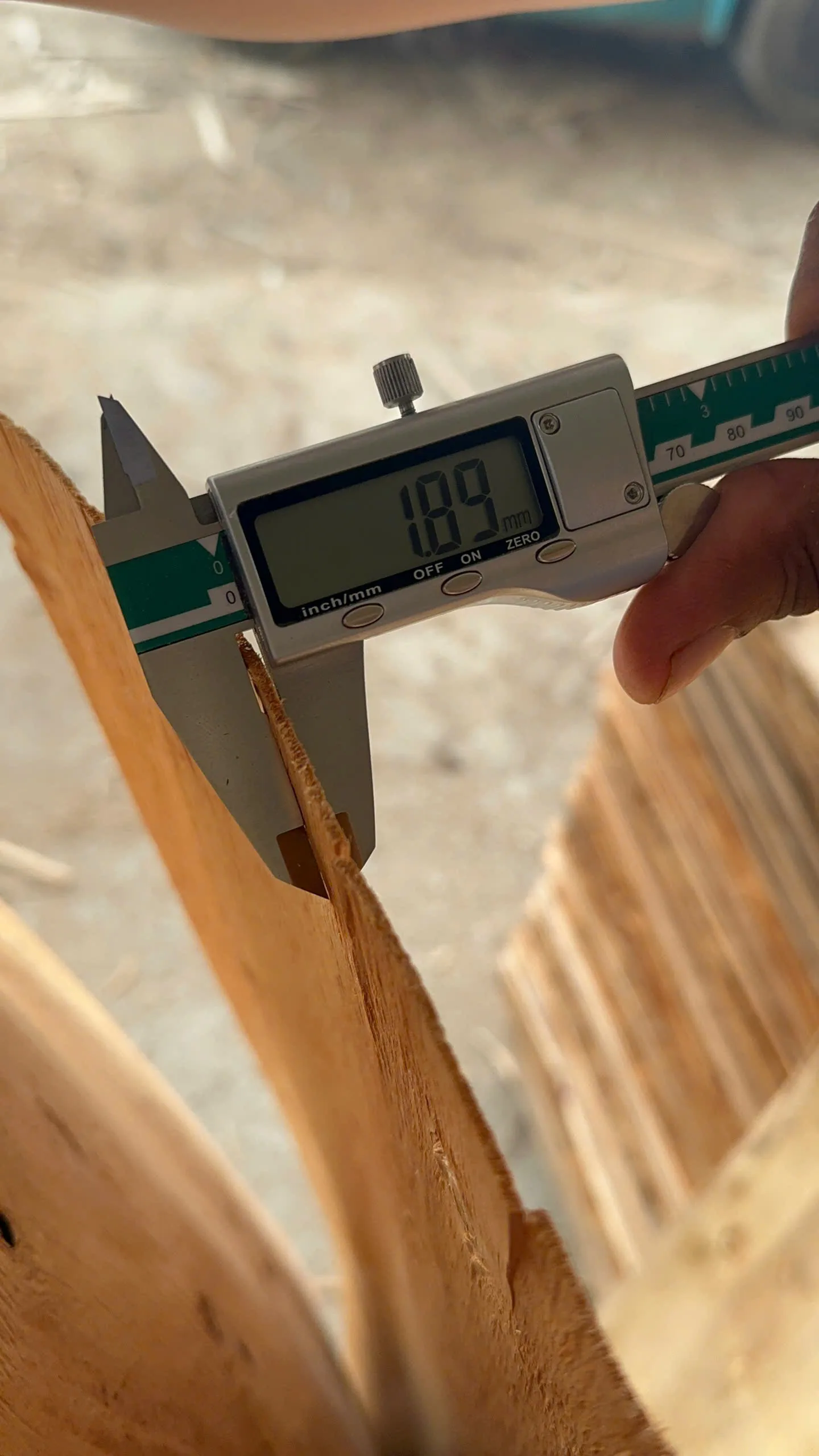
At Mika Plywood, AA-grade panels come exclusively from the premium furniture production line — styrax or eucalyptus core, full-stitched construction, sanded to ±0.3mm tolerance. “When a buyer orders AA grade, they’re not just specifying the face — they’re ordering the full premium system,” notes Jay, International Sales Manager at Mika Plywood with over 6 years in Vietnam plywood export.
⚠️ Important: A factory quoting AA grade on acacia core with loose-laid construction and E2 emission is technically describing the surface only. The panel will not perform like a premium-grade product. Always verify core species, construction, and emission class alongside face grade.
🟢 BB Grade — One Premium Face, Utility Back
BB grade is the most widely traded furniture-grade plywood from Vietnam. The face (B side) is clean with only small, tight knots and neatly repaired patches. The back (B side by the second letter) meets the same standard — making BB a balanced, presentable option for applications where both faces may be visible.
In practice, Vietnamese manufacturers export BB-grade panels primarily to:
- European furniture and cabinetry buyers (Germany, Poland, Spain, France)
- US importers under CARB P2 compliance for interior panels
- South Korean buyers for interior fit-out and wall panel production
Face veneer species offered at BB grade from Mika Plywood include bintangor (most affordable), okoume, birch (using D/E grade notation — see §6), gurjan, and EV (engineered veneer). Sanding is standard for all BB-grade furniture panels. (Mika Plywood production data, 2026)
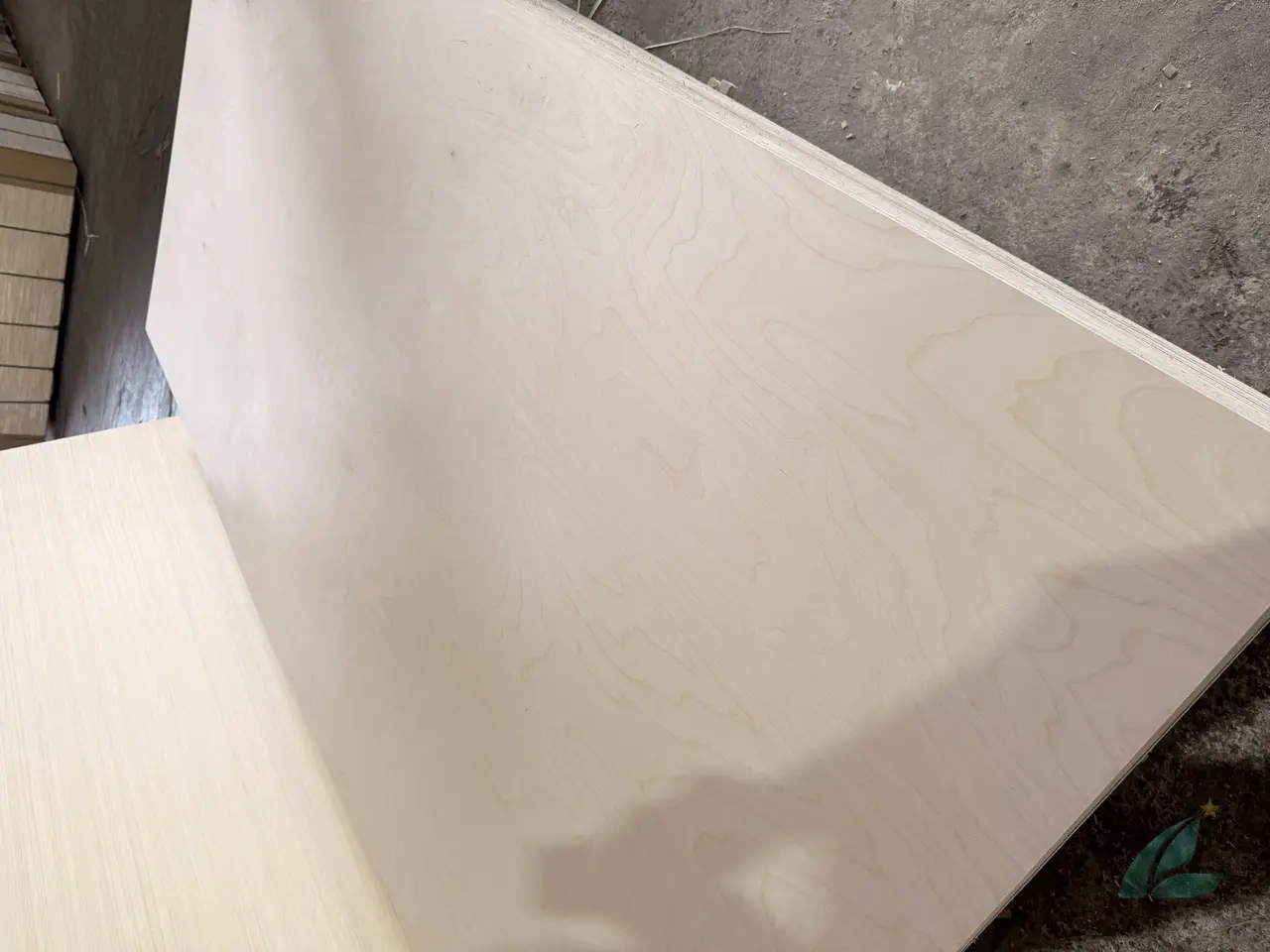
BB is not a single price point. A BB okoume panel on styrax core with E0 glue costs significantly more than a BB bintangor panel on acacia core with E1 glue — yet both are legitimately “BB grade.” Matching grade to core species and emission class in your PO prevents misaligned quotes. According to the Hardwood Plywood & Veneer Association (HPVA, 2024), grade designation alone accounts for less than half the quality variables a buyer should specify in any hardwood panel order. Get a Free Quote from Mika Plywood
🟡 BC Grade — Decorative Face, Utility Back
BC grade pairs a presentation-quality B face with a more permissive C-grade back. The face meets the same standard as BB — clean, repairable, sanded — but the reverse allows larger knots, colour variation, splits repaired with filler, and minor delamination of veneer joints.
This makes BC the preferred grade for:
- One-sided visible applications (floor underlayment top face, shelving backs hidden inside cabinets)
- Cost-optimised furniture production where only the display face matters
- Interior construction boards where one face contacts a hidden surface
BC panels from Vietnam typically use bintangor, okoume, or pine face veneer on acacia or styrax core. The C back may be lightly sanded or unsanded depending on specification. The European Panel Federation (EPF, 2023) notes that back veneer specification is the single most common source of dispute between buyers and suppliers in hardwood panel imports — a problem preventable by confirming back sanding and species in writing. For sanding decisions by product type, see Sanded vs unsanded plywood — When to Choose.
For detailed face veneer selection by grade and application, see Vietnam Plywood Face Veneer Types — Complete Guide.
⚙️ CD Grade — Full Utility, Structural and Packaging Use
CD grade allows significant defects on both faces. C-side veneer may have open knots ≤25mm, colour variation, and repaired splits. D-side is the most permissive — large open knots, pitch pockets, and voids may be present without repair requirement.
CD plywood from Vietnam serves:
- Industrial packaging crates and export boxes
- Pallet decking boards
- Construction sheathing hidden behind cladding, plaster, or tiles
- Sub-floor decking where appearance is irrelevant
Glue for CD panels is typically melamine (MR) with E2 emission — acceptable for exterior-hidden or packaging applications in most markets. Phenolic (WBP) CD panels exist for construction markets requiring weather resistance during the build phase.
Price advantage is significant: CD-grade panels cost 25–40% less than equivalent BB panels, depending on thickness and species. The trade-off is zero appearance value and reduced resale options.
🔍 How Vietnam Grading Aligns with International Standards
Vietnam does not have a single national plywood grading standard — manufacturers apply grade conventions adapted from the markets they serve. The plywood grading system your supplier quotes may follow Asian commercial conventions (A/B/C/D), European EN 636 (for birch), or formwork film conventions (AA/BB/CC). Understanding which convention applies prevents grade mismatch on arrival.
📌 Birch Plywood: D/E/F System (Not A/B/C)
Birch plywood in Vietnam follows European EN 636 conventions. The face and back grades are:
- D — Clean face, tight knots ≤5mm, repaired open defects. Best available from Vietnam birch.
- E — Moderate defects, some open knots, colour variation acceptable.
- F — Maximum defects allowed, utility grade.
Vietnam does not produce A or B grade birch veneer — those grades require European-origin veneer with tighter growth rings and colour uniformity not achievable from plantation birch. A buyer requesting “AA birch plywood from Vietnam” will receive D/D or D/E specification — the local equivalent. See Birch Face Veneer Plywood Vietnam for the full D/E/F grading breakdown.
📌 Film-Faced Plywood: AA/BB/CC System
Film-faced plywood for concrete formwork uses a parallel grading system describing film surface quality, not the wood veneer beneath:
- AA — Film is flat, defect-free, optimal concrete contact surface. Both face and back film meet this standard.
- BB — One face is AA-quality film, back has minor film repairs or surface marks.
- CC — Both faces allow moderate film surface defects. Suitable for low-visibility pours.
This system is specific to film-faced panels and should not be confused with general face veneer grading. The underlying wood panel for film-faced plywood is typically not sanded at all — grade applies only to the film.
📐 Choosing the Right Grade for Your Application
The wrong grade decision is one of the top cost and quality errors in plywood importing. Over-specifying (ordering AA when BB suffices) inflates cost unnecessarily. Under-specifying (ordering BC for a visible surface application) generates customer complaints.
| Application | Recommended Grade | Core | Glue | Emission |
|---|---|---|---|---|
| Visible furniture (lacquer/paint) | AA or BB | Styrax / Eucalyptus | MR | E0/E1 |
| Cabinet carcass (kitchen cabinets) | BB or BC | Styrax / Acacia | MR | E0/E1 |
| Decorative shelving (one face visible) | BC | Acacia / Styrax | MR | E1 |
| Packing crates & pallets (packaging plywood) | CD | Acacia | MR | E2 |
| Concrete formwork (construction plywood) | AA film (WBP) | Eucalyptus | Phenolic | N/A |
| Sub-floor / hidden structural | CD | Acacia | MR/WBP | E2 |
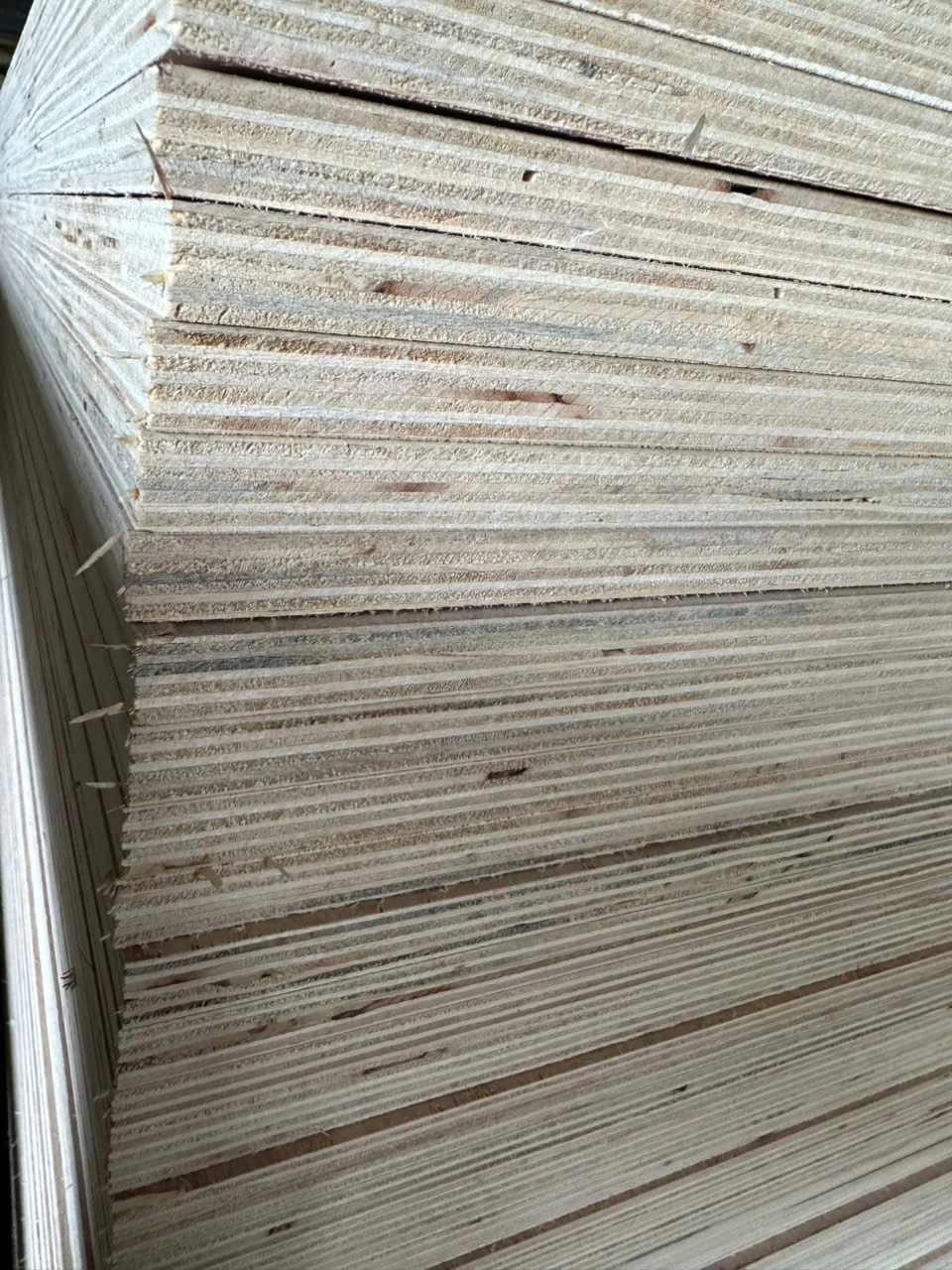
⚠️ Note: Two factories quoting “BB/CC bintangor, 18mm, MR” can produce panels with very different structural integrity if one uses full-stitched acacia core and the other uses loose-laid core with unfilled gaps. Core construction must be specified alongside grade. See Plywood Core Types — Vietnam Manufacturer Guide for stitched vs loose-laid comparison.
Request a Grade Sample Pack from Mika Plywood — Free Samples Available
📦 What to Write in Your Purchase Order
A complete grade specification prevents quality disputes before they start. For a deeper look at how the A/B/C system and the birch D/E/F system compare side by side, see Plywood Face Grade Explained. The minimum spec for any Vietnam plywood PO:
Face grade: [AA / BB / BC / CD]
Back grade: [AA / BB / BC / CD]
Face species: [bintangor / okoume / birch / gurjan / EV / other]
Core species: [acacia / eucalyptus / styrax]
Core construction: [full stitched / edge-jointed / loose-laid]
Glue: [MR (Melamine) / WBP (Phenolic)]
Emission: [E0 / E1 / E2 / CARB P2]
Thickness: [mm] ± [tolerance]
Sanded: [both faces / face only / none]
Certification: [FSC / CARB P2 / CE / other]
For emission standard selection by market, see the full guide at Plywood Glue Types and Emission Standards.
Mika Plywood operates three specialized production facilities: one dedicated to premium furniture-grade panels (AA/BB, E0, full-stitched), one for commercial and packaging grades (BC/CD, E1/E2), and one for film-faced construction panels. This means you are sourcing the correct grade from the correct facility — not receiving premium-priced panels from a budget line.
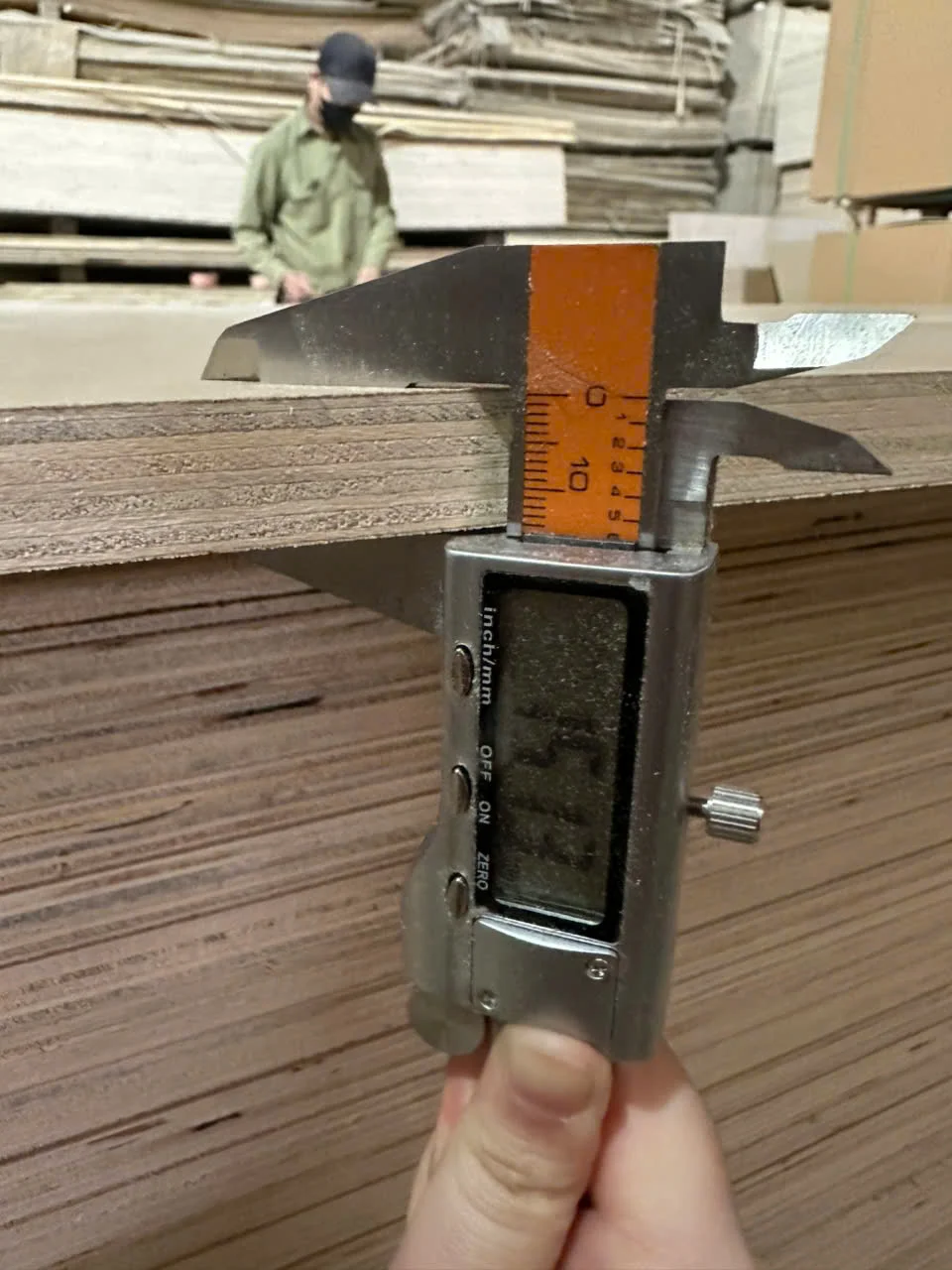
For the full QC process at Mika Plywood including grade inspection checkpoints, visit Plywood Quality Control and Factory Inspection Guide.
✅ Conclusion
Vietnam plywood quality grades AA, BB, BC, and CD provide the foundational language for every panel specification — but grade letters are only the starting point. A complete purchase order pairs face grade with core species, construction method, glue type, emission standard, and sanding requirement. Buyers who master this spec language receive consistent panels; those who specify grade alone face quality uncertainty on arrival.
Mika Plywood’s three-facility model means every grade tier — from AA furniture panels to CD packing boards — is produced in a dedicated line with on-site QC and factory-direct documentation.
Disclosure: This article is published by Mika Plywood, a Vietnam-based plywood manufacturer and export operator. While we aim to provide objective industry guidance, readers should consider our perspective as a market participant when evaluating recommendations.
Get a Free Quote with Grade Samples — Contact Mika Plywood Today
For the complete purchasing process, see our guide to buying plywood from Vietnam. Browse available grades on our product catalog.
Frequently Asked Questions
What does AA grade mean in Vietnam plywood?AA grade means both the face and back veneer are the highest quality — defect-free, fully sanded, suitable for visible furniture and cabinet surfaces. It commands the highest price and is primarily used for export to EU, US, Japan, and South Korea.What is the difference between BB and BC grade plywood?BB grade has one premium face with minor repaired defects and a standard utility back. BC grade has a decorative-quality face (B side) paired with a more defect-tolerant back (C side). Both are suitable for furniture, but BB offers better appearance on both sides.Is CD grade plywood suitable for export?CD grade plywood is used for structural, industrial packaging, and sub-floor applications where surface appearance is not critical. It is widely exported from Vietnam for packing crates, construction sheathing, and pallet boards.How does Vietnam birch plywood grading differ from other face species?Birch plywood in Vietnam uses D/E/F grading (not A/B/C), aligned with EN 636 European standards. D is the cleanest grade available from Vietnam. Other species like bintangor, okoume, and gurjan use the A/B/C/D system common in Asia and the Middle East.What grade should I specify in my purchase order?Specify both face and back grade (e.g., BB/CC, B/B), core species, glue type, emission standard, thickness tolerance, and sanding requirement. Grade alone does not define quality — two suppliers quoting BB can deliver significantly different panels if construction and core species differ.
Ready to order?
Request a Grade Sample Pack from Mika Plywood

Written by
David
Export Project Leader
Content contributor at Vietnam Plywood.
On this page
- 📋 What Do Plywood Grade Letters Mean?
- 🏆 AA Grade — Defect-Free on Both Sides
- 🟢 BB Grade — One Premium Face, Utility Back
- 🟡 BC Grade — Decorative Face, Utility Back
- ⚙️ CD Grade — Full Utility, Structural and Packaging Use
- 🔍 How Vietnam Grading Aligns with International Standards
- 📌 Birch Plywood: D/E/F System (Not A/B/C)
- 📌 Film-Faced Plywood: AA/BB/CC System
- 📐 Choosing the Right Grade for Your Application
- 📦 What to Write in Your Purchase Order
- ✅ Conclusion
On this page
- 📋 What Do Plywood Grade Letters Mean?
- 🏆 AA Grade — Defect-Free on Both Sides
- 🟢 BB Grade — One Premium Face, Utility Back
- 🟡 BC Grade — Decorative Face, Utility Back
- ⚙️ CD Grade — Full Utility, Structural and Packaging Use
- 🔍 How Vietnam Grading Aligns with International Standards
- 📌 Birch Plywood: D/E/F System (Not A/B/C)
- 📌 Film-Faced Plywood: AA/BB/CC System
- 📐 Choosing the Right Grade for Your Application
- 📦 What to Write in Your Purchase Order
- ✅ Conclusion
Industry Newsletter
Stay Updated with
Plywood Industry Insights
Factory prices, spec guides, market trends and export tips — delivered weekly to B2B buyers and importers in 20+ countries.