
1220×2440 vs 1250×2500 vs custom — which plywood size each market orders, container impact, waste data. Market-by-market guide from Mika Plywood.
Ordering the wrong plywood sheet size for your market is a silent profit killer. A buyer in Germany who receives 1220x2440mm sheets instead of 1250x2500mm wastes 3–8% more raw material per production run. A furniture factory in India whose supplier ships metric sheets ends up with off-spec panels that don’t fit its standard cutting templates.
Sheet size is not interchangeable. Each major import market has settled on a preferred format — driven by local construction grids, cabinet module standards, and historical trade norms. This guide breaks down which size each market actually orders, how size choice affects container loading, and when custom dimensions make sense.
📐 The Two Standard Sizes — What They Are and Why They Differ
1220×2440mm is the 4-foot × 8-foot format inherited from the North American lumber industry. It became the global export default because the US market standardized on it first, and Asian manufacturers (including Vietnam) adopted 4×8 as the common production size.
1250×2500mm is the metric equivalent. At 1.25m × 2.5m, it fits a 625mm construction grid — the standard module used in European timber-frame and modular furniture systems. A 625mm grid divides evenly into 1250mm, while a 1220mm sheet leaves a 20mm gap that must be shimmed or trimmed.
Key Insight: The 1250×2500mm sheet is not a “bigger” version of 4×8. It is a structurally different choice driven by metric modular design. Buyers who know their factory’s cutting grid make better sourcing decisions.
Both sizes are standard production at Mika Plywood. Lead time, pricing, and certifications are identical.
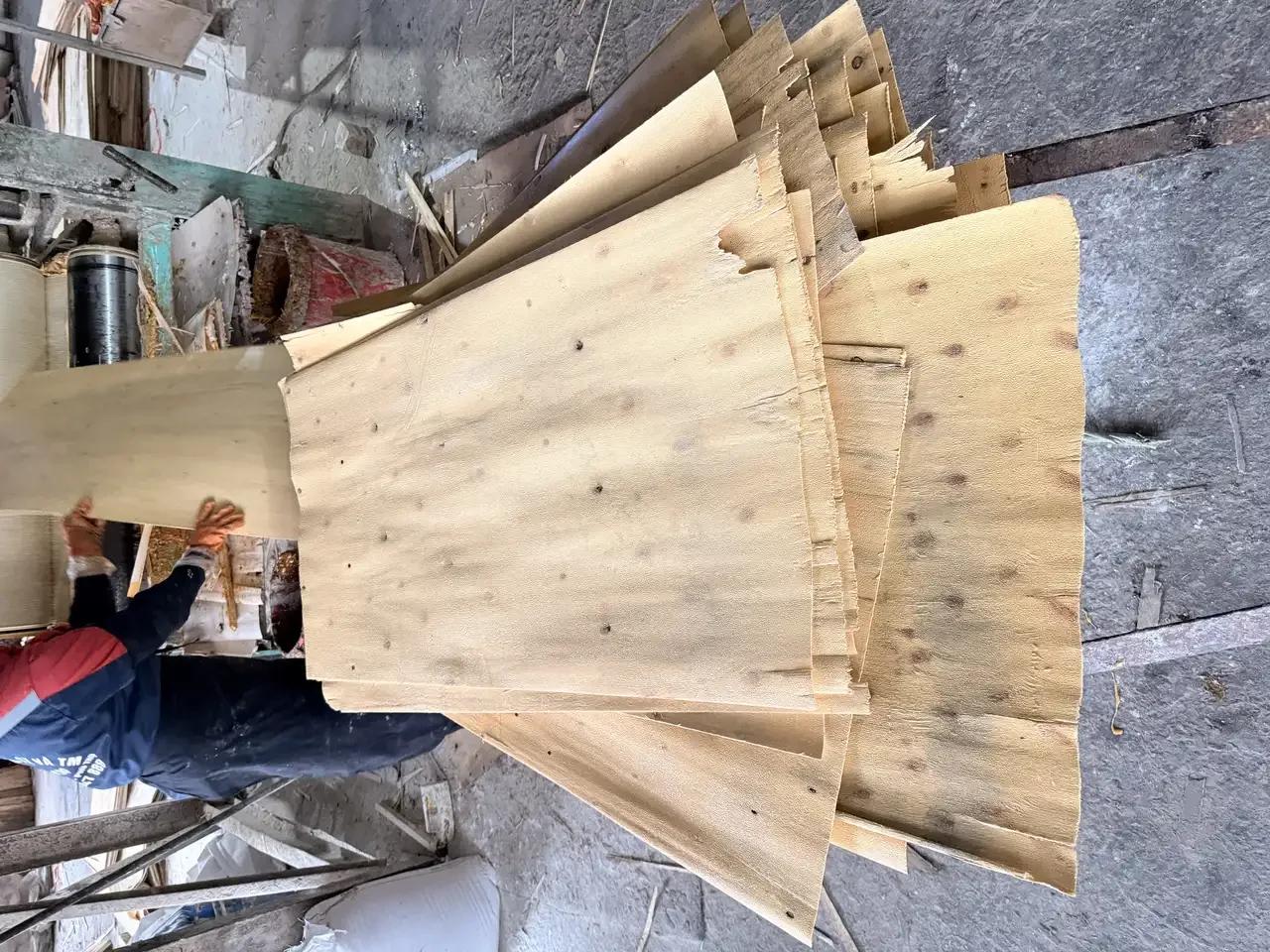
🌍 Market-by-Market Size Guide
📌 India — 1220×2440mm (4×8 ft)
India is Vietnam’s largest plywood export market, and it runs almost entirely on 1220×2440mm. The format is embedded in Indian construction standards, furniture factory cutting tables, and import documentation templates. Gurjan plywood Vietnam and bintangor plywood Vietnam — the two most popular face veneers for Indian buyers — are almost exclusively ordered in this size.
Thickness preference in India: 6mm, 9mm, 12mm, 15mm, 18mm, and 25mm. The 25mm thickness is unusually common in India for structural furniture applications, driven by demand for durable joinery.
📌 Europe (Germany, Poland, France, Spain) — 1250×2500mm
European buyers default to the metric sheet. The 1250mm width aligns with 625mm furniture grid spacing, which is the standard in flatpack and modular kitchen production. A standard European kitchen base cabinet is 600mm wide — two panels side-by-side fit a 1250mm sheet with 50mm trim. With a 1220mm sheet, the trim drops to 20mm, increasing edge risk in cabinet production.
Popular face veneers for Europe: okoume plywood Vietnam, birch plywood Vietnam, and pine plywood Vietnam. All three are produced in 1250×2500mm as standard at Mika Plywood.
Emission requirements are strict: E0 or E1, with EUDR traceability documentation mandatory for timber entering the EU (EUDR Regulation, 2024). FSC certification is expected for furniture-grade orders.
📌 South Korea — 1250×2500mm
Korea applies the same 625mm modular logic as Europe. Film-faced plywood for Korean construction projects also uses the 1250×2500mm format, as Korean formwork systems are designed around 1250mm panel widths.
Korean buyers are the strictest globally on thickness tolerance — typically specifying ±0.2mm rather than the standard ±0.3mm. E0 emission class is mandatory. Birch-face and film-faced grades for Korea always ship in 1250×2500mm.
📌 United States — 1220×2440mm (4×8 ft)
The 4×8 sheet is structurally embedded in the US building code. Stud spacing at 16 inches or 24 inches on center aligns directly with 48-inch (1220mm) panel widths. US buyers never order metric sizes.
CARB Phase 2 (California Air Resources Board) is the mandatory emission standard for all hardwood plywood entering the US market. Birch plywood Vietnam for the US ships exclusively in 1220×2440mm with CARB P2 certification and Lacey Act compliance documentation.
📌 Middle East — 1220×2440mm
The Middle East predominantly uses 1220×2440mm, following the construction sector’s historical reliance on imperial-derived formats. Film-faced plywood for formwork and commercial-grade bintangor panels both ship in this size.
Thickness range: 12mm, 15mm, 18mm, and 21mm are the most active. Heavier construction projects in the UAE and Saudi Arabia also order 25mm and 30mm film-faced sheets.
📌 Japan — 1220×2440mm (primary), 910×1820mm (common)
Japan uses both 4×8 sheets and the smaller 3×6 (910×1820mm) format — the “Sabu-roku” (3-6) size standard used in traditional Japanese construction. The 910mm module matches the traditional Japanese “ken” unit (1820mm = 2 ken).
For export orders to Japan, buyers specify 1220×2440mm for commercial plywood and may request 910×1820mm for specialized joinery applications. Japan’s JAS standard (Japanese Agricultural Standard) requires F4-star formaldehyde class — equivalent to E0. Thickness tolerance to ±0.2mm is expected (JAS MAFF Standard, Japan).
📌 Australia & New Zealand — 1220×2440mm
Australia follows 4×8 as the standard. AS/NZS 2269 structural plywood specifications are written around the 1220mm panel width. Pine-face and eucalyptus-face panels for Australian buyers ship in 1220×2440mm.
📦 Container Loading: Does Size Change the Numbers?
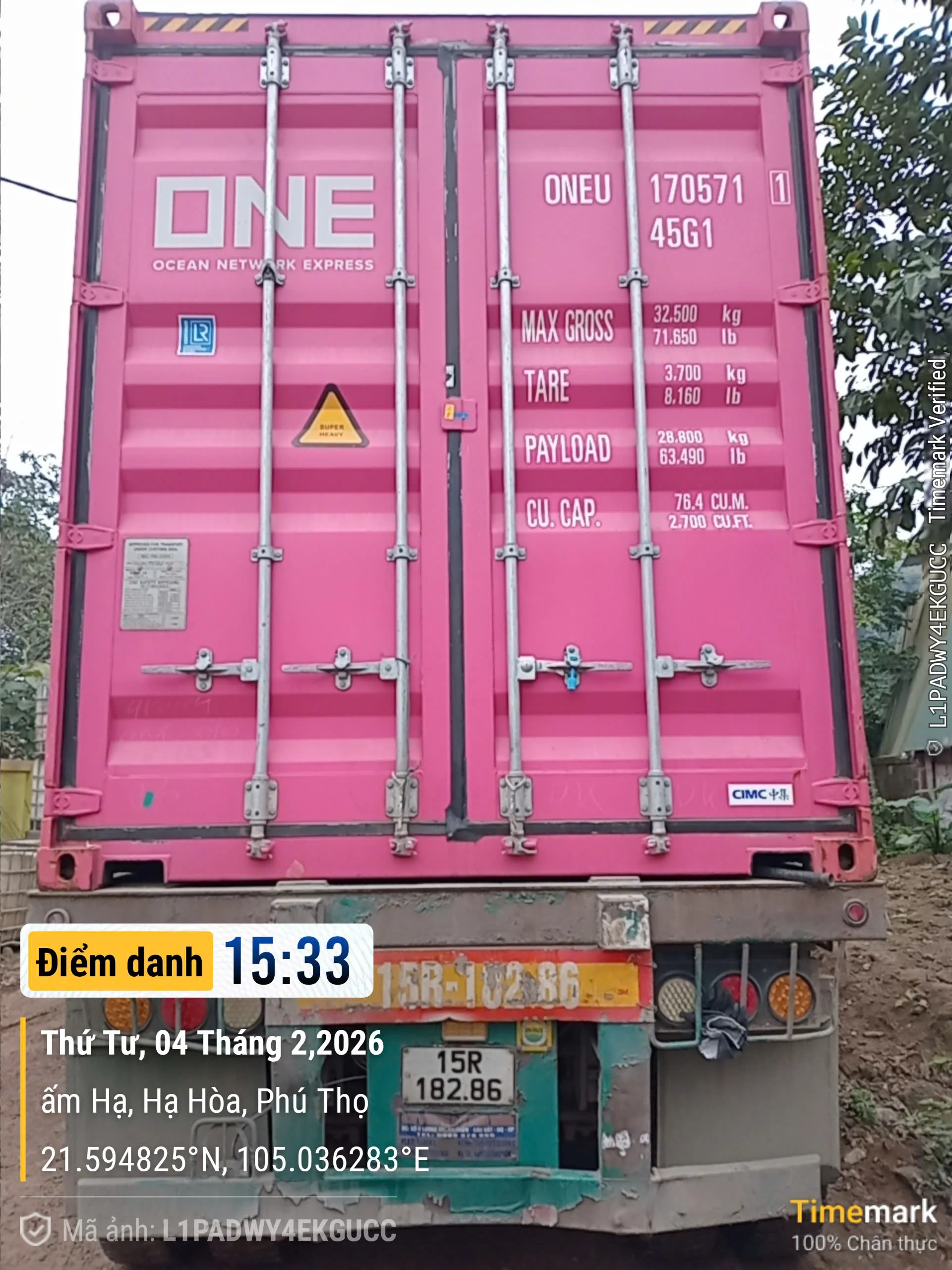
Both 1220×2440mm and 1250×2500mm fit the same pallet layout in a standard 40HC container. Pallet count by core species (Mika Plywood production data, 2026):
| Core Species | Density | Pallets per 40HC | Total CBM |
|---|---|---|---|
| Styrax | 480–500 kg/m³ | 18 pallets | ~53 CBM (1220×2440) / ~55 CBM (1250×2500) |
| Acacia | ~580 kg/m³ | 16 pallets | ~47.5 CBM (1220×2440) / ~50 CBM (1250×2500) |
| Eucalyptus | 650–750 kg/m³ | 15 pallets | ~44.5 CBM (1220×2440) / ~47 CBM (1250×2500) |
The 1250×2500mm sheet produces approximately 5% more CBM per container — because each sheet has a larger surface area (3.125 m² vs 2.977 m²). Pallet count stays the same. Weight increases proportionally, so payload limits (28.5 MT for a 40HC) still apply.
For buyers quoting by CBM, the metric sheet offers marginal container utilization gains. For buyers quoting by piece count, the two formats are identical in logistics terms. To verify exact CBM values by thickness, consult the plywood CBM per thickness complete table.
⚠️ Important: Never compare CBM calculations between 1220×2440mm and 1250×2500mm shipments without adjusting for sheet area. A quote comparing “18 pallets of 4×8” with “18 pallets of metric” involves different total volumes.
For a detailed packing calculation guide by core and thickness, see plywood container packing calculation 40HC.
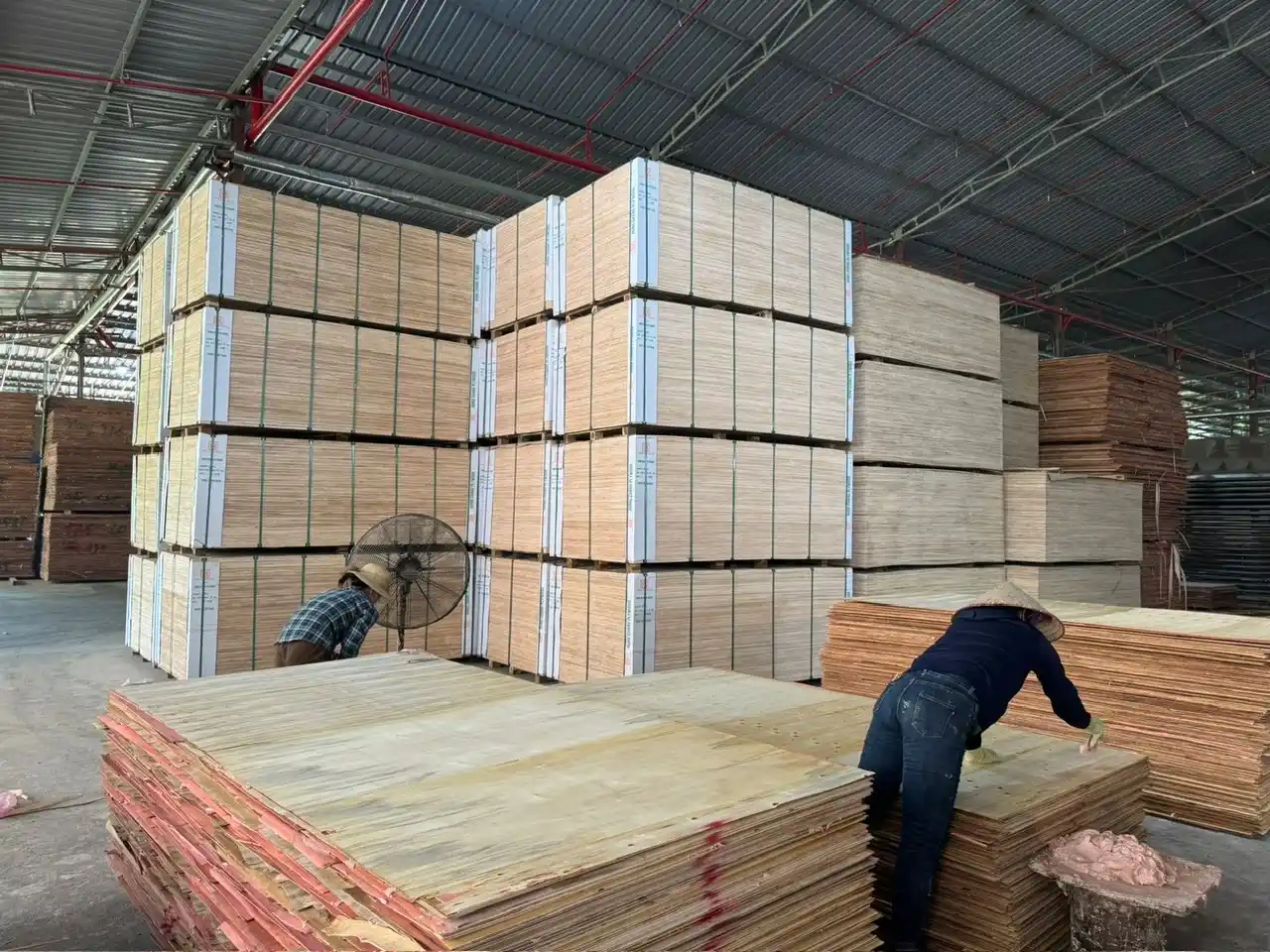
✂️ Non-Standard and Custom Sizes
Vietnam factories produce several intermediate sizes that serve specific applications:
| Size (mm) | Size (ft) | Typical Use |
|---|---|---|
| 1220 × 2135 | 4 × 7 | Furniture backing, custom cabinet panels |
| 1220 × 1830 | 4 × 6 | Shelving, drawer fronts, interior fit-out |
| 915 × 2440 | 3 × 8 | Long narrow panels, door components |
| 915 × 2135 | 3 × 7 | Stair risers, narrow furniture panels |
| 915 × 1830 | 3 × 6 | Drawer sides, lightweight interior use |
Custom sizes are available with the same MOQ as standard (1×40HC). Buyers supply a cut list and Mika Plywood calculates the cutting yield from full sheets to confirm whether the order is feasible within the container. Custom cutting reduces labor at the destination factory, though it increases factory processing time and may affect pricing by 3–8% depending on off-cut yield.
“We’ve had buyers from Japan and Korea request 910mm-width sheets to match their floor-laying jigs. We cut from full 1220mm sheets — the 310mm off-cut becomes packing-grade trim. Factory processes the order at minimal additional cost compared to ordering cut-to-size locally.” — Jay, International Sales Manager, Mika Plywood
📊 Size Selection by Application
Not all applications need the largest sheet. Matching size to application reduces waste and simplifies handling:
| Application | Recommended Size | Why |
|---|---|---|
| Residential furniture (EU/Korea) | 1250 × 2500mm | Fits 625mm cabinet grid |
| Residential furniture (India/US) | 1220 × 2440mm | Standard for local fabricators |
| Film-faced formwork | 1220 × 2440mm or 1250 × 2500mm | Match destination formwork system |
| Industrial crating and packing | 1220 × 2440mm | Most factories have 4×8 cutting tables |
| Japanese joinery | 910 × 1820mm (Sabu-roku) | Matches ken-based construction module |
| Marine and boat building | 1220 × 2440mm | Standard for boatbuilding lofting |
For mixed-application orders — furniture panels plus formwork sheets in the same container — Mika Plywood accepts mixed sizes within one 40HC. Container loading is calculated individually per SKU, and the final packing list confirms total weight and CBM.
🔧 Size Tolerance: What to Specify in Your PO
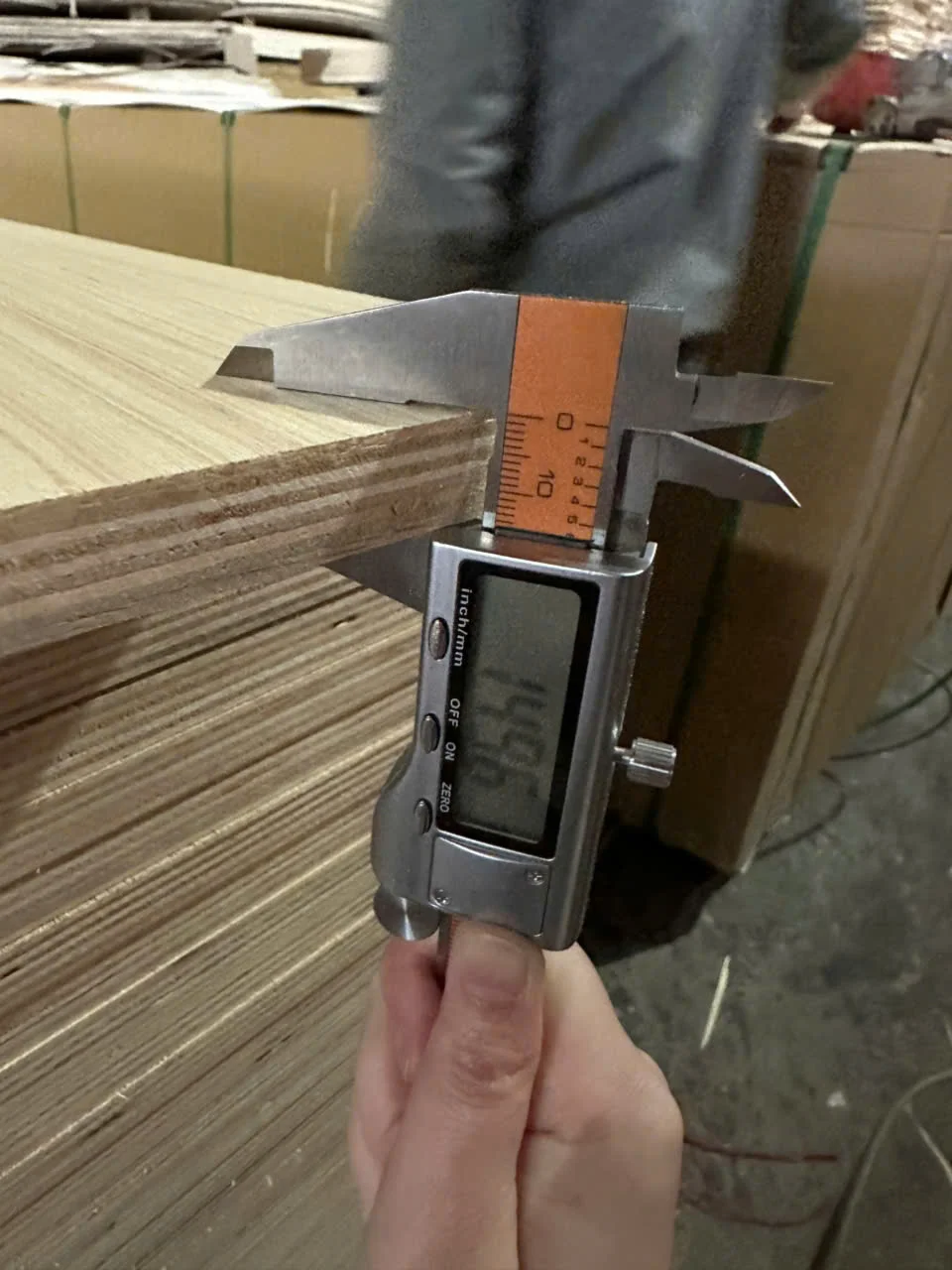
Mika Plywood standard dimensional tolerances (ISO 10048 / BS EN 315 reference):
| Dimension | Standard Tolerance | Tight Tolerance (premium) |
|---|---|---|
| Thickness | ±0.3mm | ±0.2mm (sanded, calibrated) |
| Length and Width | ±2mm | ±1mm (on request) |
| Squareness | 2mm/m max | 1mm/m (Japan/Korea spec) |
Always state your tolerance requirement in the purchase order. Default tolerance is ±0.3mm for thickness and ±2mm for panel dimensions. If your CNC cutting table or assembly jig is calibrated to tighter tolerances, specify upfront — calibration sanding adds a step and is reflected in price.
📝 Conclusion: Match the Size to the Market
Plywood sheet size is not a minor specification — it determines production yield, container utilization, and whether your panels fit the downstream factory’s tooling. The decision follows a simple rule: 1220×2440mm for markets that inherited imperial conventions (India, US, Middle East, Southeast Asia); 1250×2500mm for metric markets (Europe, Korea, Japan standard orders).
Custom sizes are available from Vietnam but work best when planned with full container loading calculations to avoid dead space and unnecessary off-cut waste.
Mika Plywood produces both standard sizes and most custom formats with consistent quality across all three production facilities. All sizes are available in FSC, CARB P2, and EUDR-compliant versions.
Request a size-specific quote for your market — specify your target size, thickness, face veneer, and destination market. Mika Plywood provides a full packing list and container loading plan with every quotation.
Not sure which product to pair with your size requirement? Browse all Mika Plywood plywood products or review our quality certifications for market-specific compliance documentation.
Disclosure: This article is published by Mika Plywood, a Vietnam-based plywood manufacturer and export operator. While we aim to provide objective industry guidance, readers should consider our perspective as a market participant when evaluating recommendations.
🔗 Related Articles
- Plywood Container Packing Calculation 40HC — Factory-Level Tables
- Plywood Sizes & Thickness — Standard Specifications from Vietnam Factory
Frequently Asked Questions
What is the most common plywood sheet size for export?1220x2440mm (4×8 feet) is the global default. It covers the largest buyer base: India, the US, Southeast Asia, the Middle East, and most of Africa. The 1250x2500mm metric sheet is standard for Europe, South Korea, and Japan. Both sizes are produced by Mika Plywood with the same MOQ of 1×40HC container.Does 1250x2500mm fit a 40HC container the same way as 1220x2440mm?Yes — both sizes load 18 pallets per 40HC for styrax core, and 16 pallets for acacia core. The 1250x2500mm sheet produces roughly 5% more CBM per container because each sheet covers a larger area. Pallet count stays the same, but total cubic volume increases. European buyers ordering by CBM benefit from slightly better container utilization with the metric size.Can I order custom plywood sizes from Vietnam?Yes. Mika Plywood produces custom sizes including 1220x1830mm (4×6 ft), 915x1830mm (3×6 ft), 1220x2135mm (4×7 ft), and 915x2440mm (3×8 ft). Custom sizing requires the same MOQ as standard sizes. Buyers with fixed pallet templates or crate designs can provide a cut list — factory will optimize container loading accordingly.Does plywood sheet size affect material waste in furniture production?Significantly. A 1250x2500mm sheet gives European furniture factories better yield on 600mm modular grid layouts. For a typical kitchen cabinet panel at 580mm wide, a 1250mm sheet fits two panels with 90mm trim — compared to a 1220mm sheet that leaves 60mm trim but forces a different cut sequence. Over a production run, size alignment with your factory grid reduces waste by 3–8% (Mika Plywood production data, 2026).Which size should I order for the Indian market?India uses 1220x2440mm (4×8 feet) as its standard. This aligns with Indian IS 303 plywood specifications and domestic construction grid norms. Gurjan-face and bintangor-face plywood for India almost always ships in 1220x2440mm. Custom sizes are rare in Indian import orders.
Ready to order?
Request a size-specific quote for your market

Written by
David
Export Project Leader
Content contributor at Vietnam Plywood.
On this page
- 📐 The Two Standard Sizes — What They Are and Why They Differ
- 🌍 Market-by-Market Size Guide
- 📌 India — 1220×2440mm (4×8 ft)
- 📌 Europe (Germany, Poland, France, Spain) — 1250×2500mm
- 📌 South Korea — 1250×2500mm
- 📌 United States — 1220×2440mm (4×8 ft)
- 📌 Middle East — 1220×2440mm
- 📌 Japan — 1220×2440mm (primary), 910×1820mm (common)
- 📌 Australia & New Zealand — 1220×2440mm
- 📦 Container Loading: Does Size Change the Numbers?
- ✂️ Non-Standard and Custom Sizes
- 📊 Size Selection by Application
- 🔧 Size Tolerance: What to Specify in Your PO
- 📝 Conclusion: Match the Size to the Market
- 🔗 Related Articles
On this page
- 📐 The Two Standard Sizes — What They Are and Why They Differ
- 🌍 Market-by-Market Size Guide
- 📌 India — 1220×2440mm (4×8 ft)
- 📌 Europe (Germany, Poland, France, Spain) — 1250×2500mm
- 📌 South Korea — 1250×2500mm
- 📌 United States — 1220×2440mm (4×8 ft)
- 📌 Middle East — 1220×2440mm
- 📌 Japan — 1220×2440mm (primary), 910×1820mm (common)
- 📌 Australia & New Zealand — 1220×2440mm
- 📦 Container Loading: Does Size Change the Numbers?
- ✂️ Non-Standard and Custom Sizes
- 📊 Size Selection by Application
- 🔧 Size Tolerance: What to Specify in Your PO
- 📝 Conclusion: Match the Size to the Market
- 🔗 Related Articles
Industry Newsletter
Stay Updated with
Plywood Industry Insights
Factory prices, spec guides, market trends and export tips — delivered weekly to B2B buyers and importers in 20+ countries.