Mika Plywood arranges mixed plywood containers. Combine types in one 40HC — weight rules, minimum per SKU, CBM allocation from Vietnam factory.
Mixed container loads of plywood are not just possible — they are one of the most practical ways for international buyers to consolidate diverse product needs into a single shipment. At Mika Plywood, mixed containers account for a significant share of our monthly exports, particularly among distributors and buyers serving multiple market segments simultaneously.
This guide explains how mixed loading works at the factory level, what constraints govern the arrangement, and how to plan your CBM allocation before placing an order.
📦 What Is a Mixed Plywood Container Load?
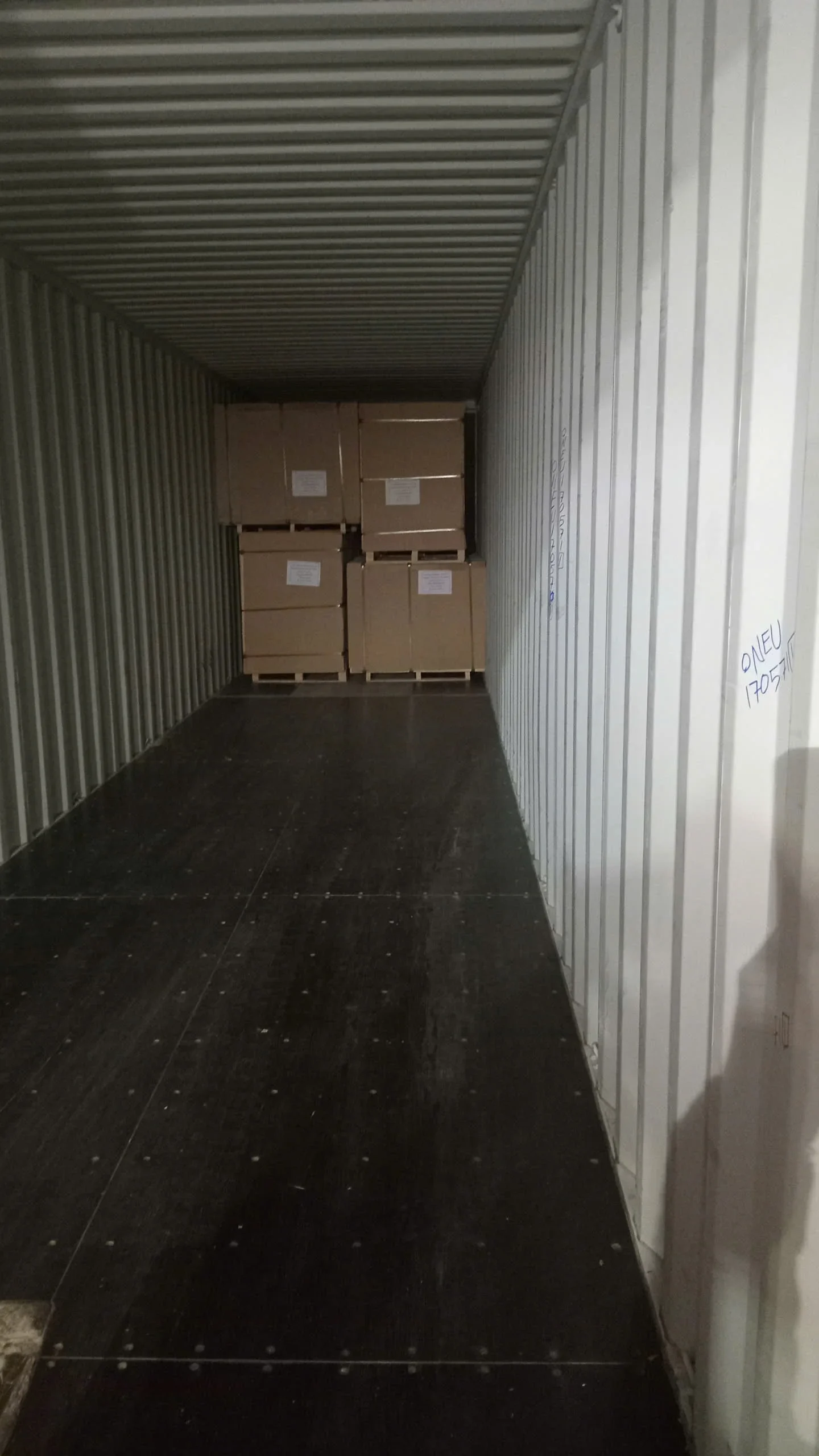
Mixed container load: a single 40HC shipment containing two or more distinct plywood SKUs — different face veneer types, thicknesses, core species, or product categories packed and shipped together.
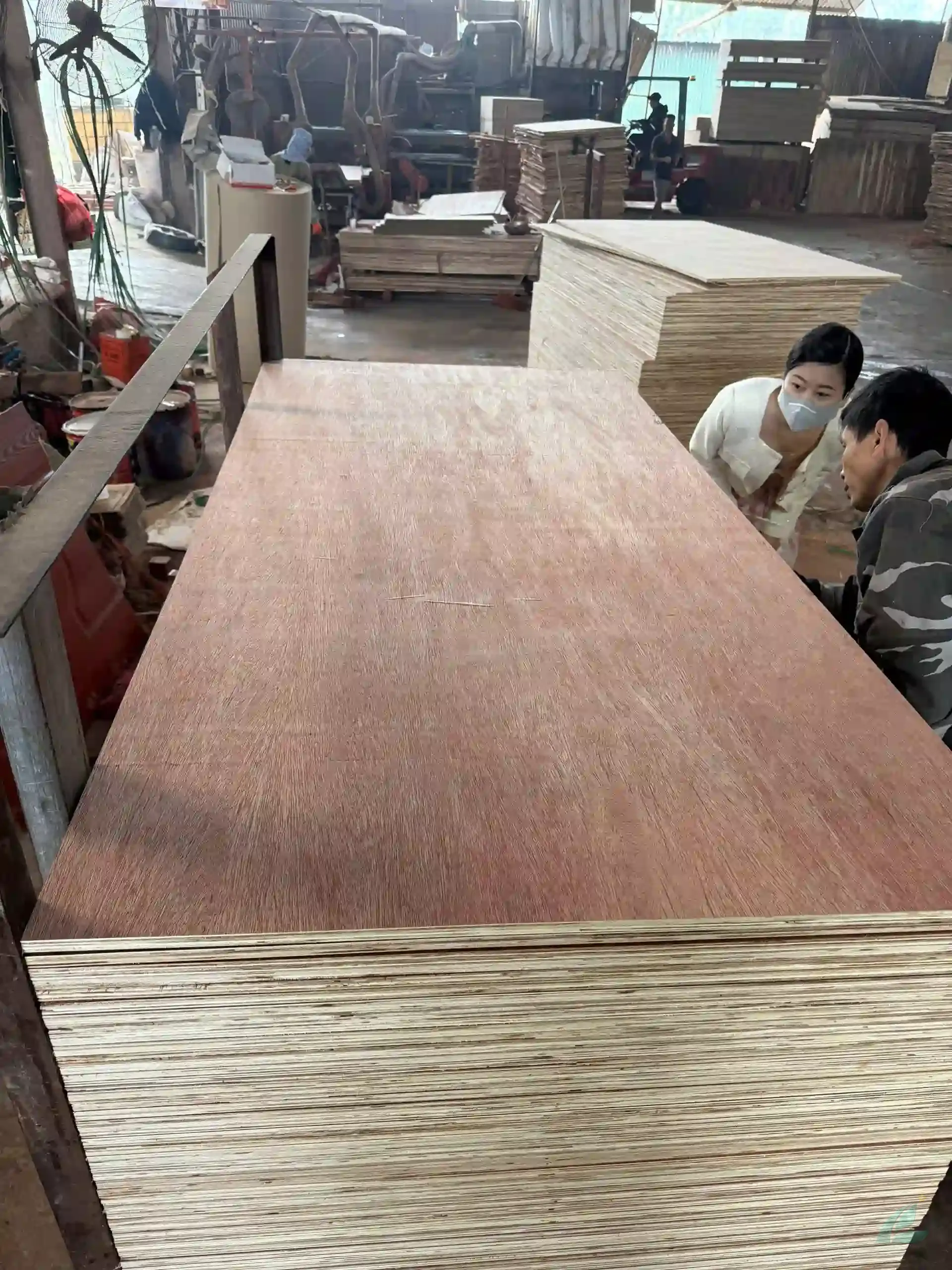
A typical mixed load might combine 10 CBM of film-faced plywood with 8 CBM of bintangor plywood and 5 CBM of core veneer. The container is split into clearly labeled pallet stacks, each segregated by SKU.
Mixed loading is standard practice in plywood export from Vietnam. Vietnam exported over 2.7 billion USD worth of wood products in 2024, with plywood representing a major share of that volume — and mixed-container orders are a normal part of how Vietnamese manufacturers fulfill diverse buyer requirements (Vietnam Timber & Forest Product Association, VIFORES, 2024).
Unlike manufactured goods with fixed carton dimensions, plywood ships on pallets that can be stacked to a target height of 1,000mm per pallet — making it straightforward to allocate specific pallet counts to each product type within the same container.
Key Insight: A 40HC holds 15–18 pallets of plywood depending on core species density (Mika Plywood production data, 2026). Each pallet is roughly 2.5–3.5 CBM, giving you 4–6 practical “slots” to assign to different SKUs in a standard mixed load.
🎯 Why Buyers Choose Mixed Container Loads
The core reason is cost control and procurement flexibility. Shipping a half-container of one product type and a half-container of another in separate orders doubles your freight cost per CBM. Consolidating into a single 40HC brings both product lines under one FOB price and one set of shipping fees.
Common buyer scenarios:
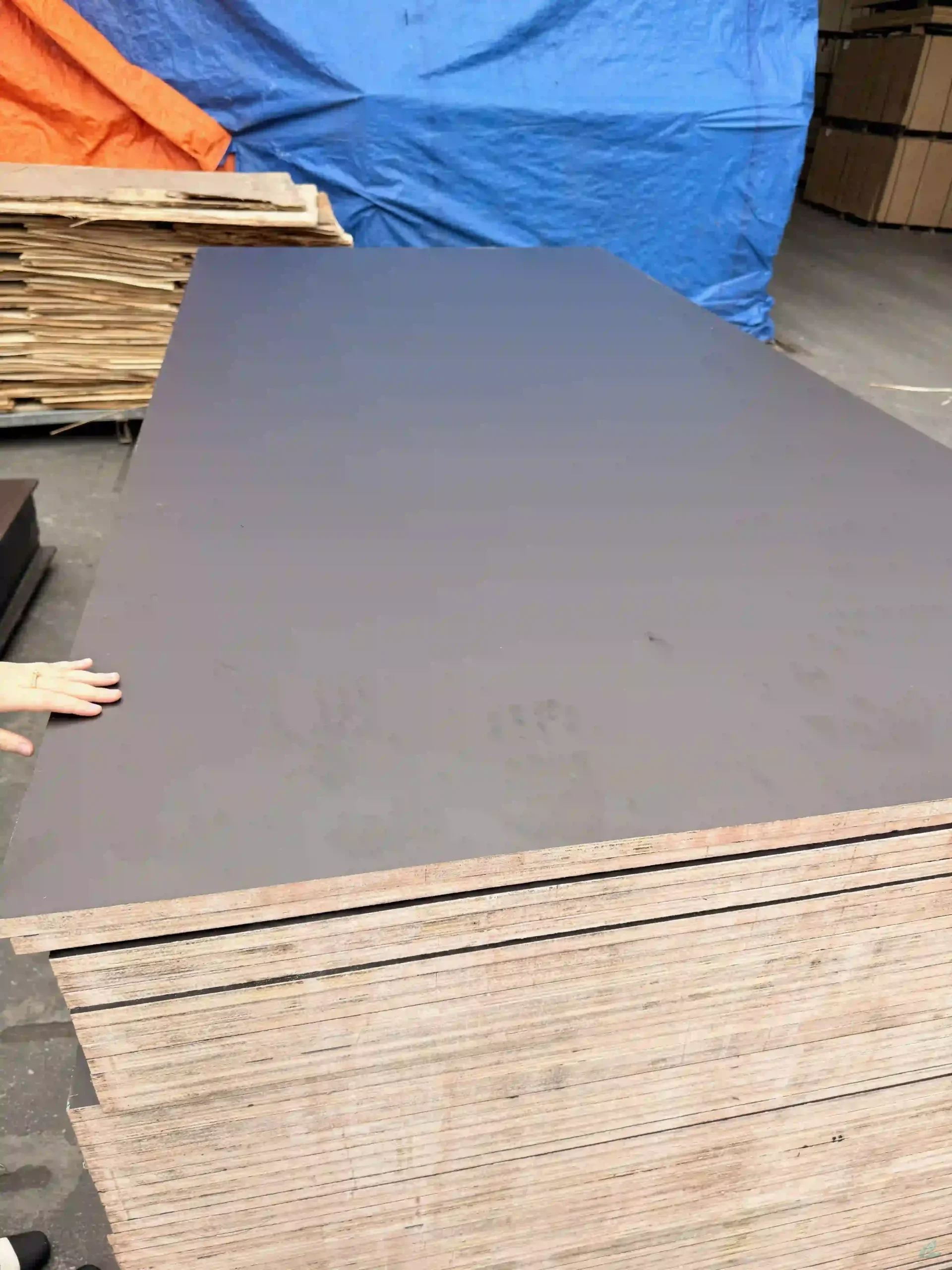
- Distributors serving multiple segments — a buyer supplying both furniture workshops and construction sites can combine birch plywood with film-faced in one shipment, restocking both inventory lines simultaneously
- Testing new SKUs — instead of committing a full container to an unfamiliar product, buyers order 3–5 CBM alongside proven items; if the new product performs well, subsequent orders scale up
- Warehouse-constrained importers — frequent mixed loads of smaller CBM per type allow tighter inventory management without sacrificing the economies of a full container
- Project-specific procurement — a single construction project may need film-faced for formwork, anti-slip panels for scaffolding, and commercial-grade sheets for temporary structures, all sourced in one delivery
“For buyers managing multiple product lines or testing Vietnamese plywood for the first time, the mixed container format removes the capital risk of committing to a single SKU at full container scale.” — Jay, International Sales Manager, Mika Plywood
⚙️ How Factories Plan a Mixed Container Load
The planning process follows five steps, starting before production and finishing at container seal.
📌 Step 1 — Order Specification & CBM Allocation
Every mixed container starts with a confirmed specification sheet: face veneer type, core species, thickness, sheet size, glue type, emission standard, and target CBM for each item. This determines whether the combined weight stays within the 28.5 MT payload limit of a 40HC.
Weight varies by core species. A load mixing eucalyptus-core products (~700 kg/m³) with styrax-core products (~500 kg/m³) will have a weighted average density. Mika Plywood calculates the total weight per SKU and cumulative weight before confirming the CBM split — buyers can also pre-check their allocation using our container loading calculator.
See our plywood container packing calculation guide for the exact formula used at the factory level.
📌 Step 2 — Container Layout Planning
Pallets are arranged to distribute weight evenly along the container floor. Heavier items (eucalyptus-core, thick panels) go to the rear; lighter items (styrax-core, thin panels) toward the front. This prevents the container from becoming nose-heavy or skewed.
The standard 40HC layout uses 16 pallets flat (4×4) plus 2 pallets standing at the container head — 18 total for styrax-core loads, 15–16 for eucalyptus-core (Mika Plywood production data, 2026).
📌 Step 3 — Segregation & Labeling
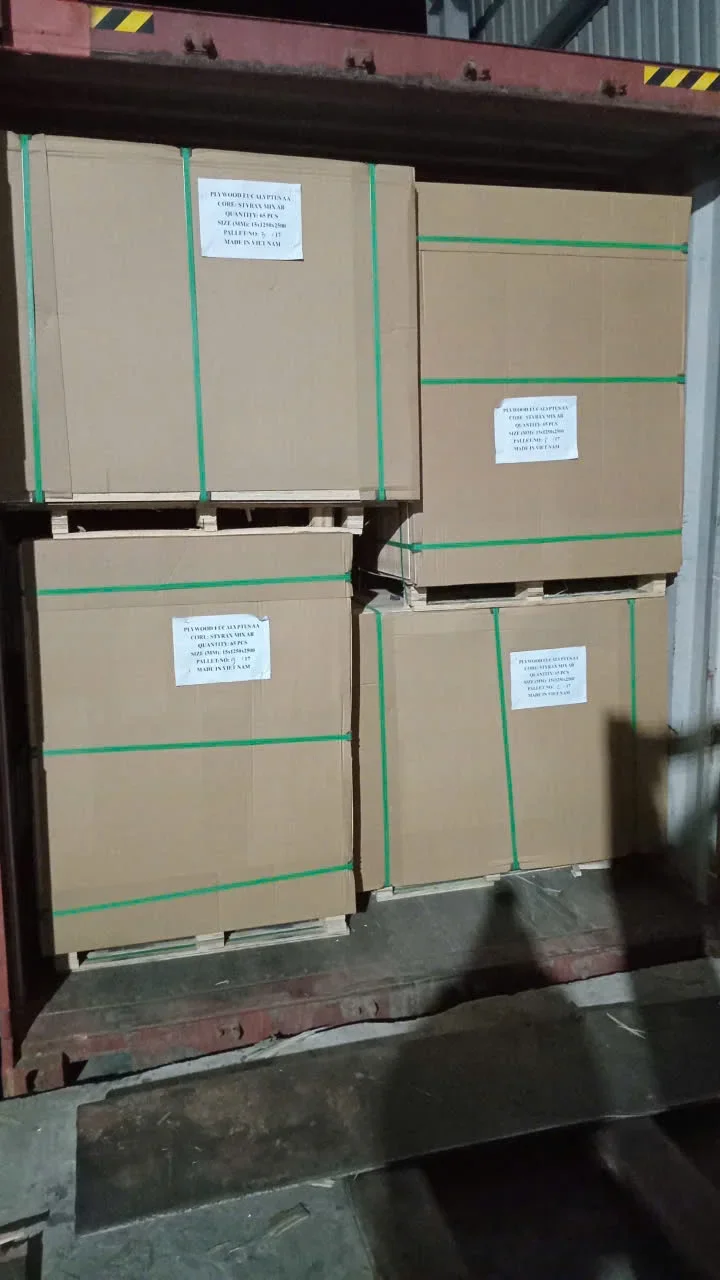
Each pallet is labeled with SKU code, dimensions, sheet count, and gross weight. Labels are applied before loading. This allows accurate unloading at destination — especially important when contents go to multiple end-buyers or separate project sites.
📌 Step 4 — Protection & Packing
Each pallet stack is wrapped in moisture-resistant film and strapped with steel banding. Corner protectors prevent edge damage during transit. Products with different surface sensitivities — such as sanded birch alongside unsanded film-faced — are separated by cardboard slip-sheets where stacking is unavoidable.
📌 Step 5 — Pre-Shipment Documentation
The packing list itemizes every SKU with CBM, piece count, pallet number, dimensions, and gross weight. Where multiple certifications apply, references to each applicable certificate are included in the documentation package. Third-party inspection can be arranged before container sealing — Mika Plywood welcomes buyer-nominated inspectors for each product type in the load.
📊 Popular Mixed Load Combinations
These pairings reflect actual Mika Plywood shipment patterns (Mika Plywood export data, 2026). According to ITTO (International Tropical Timber Organization) market data, Vietnam ranks among the top five tropical plywood exporters globally — and the flexibility of mixed-container supply is frequently cited as a competitive advantage over single-SKU suppliers in China and Indonesia (ITTO Tropical Timber Market Report, 2024).
| Combination | Typical Buyer | Reason |
|---|---|---|
| Bintangor + Okoume | Furniture distributors, India/SE Asia | Different price points for different furniture grades |
| Film Faced + Commercial | Construction buyers, Middle East | Formwork + structural framing in one order |
| Birch Plywood + Bintangor | European furniture importers | Premium and standard cabinet grade together |
| Matt Plywood + Core Veneer | Processing factories | Raw substrate + veneer sheets for lamination |
| Film Faced + Anti-Slip | Scaffolding contractors, Korea/Australia | Deck panels + safety walkways from one source |
| Bintangor + Film Faced + Birch | Full-range distributors | Maximum SKU variety per container |
Mixed loads containing birch plywood are common for buyers in Europe and Korea, where premium furniture and commercial-grade panels are procured together. The key constraint is that birch-core panels (using styrax core in Vietnam) are significantly lighter per CBM than eucalyptus-core products, so the CBM allocation can skew toward more birch without weight risk.
📋 Requirements & Practical Limits
Understanding the boundaries before ordering avoids renegotiation after production starts.
Minimum CBM per SKU: 1–2 CBM per product type. Below 1 CBM, the logistical overhead of separate packing and labeling exceeds practical value. At 18mm thickness, 1 CBM equals roughly 18–22 full sheets (1220×2440mm).
Payload ceiling: 28.5 MT gross weight maximum for a 40HC. This is not a target — it is a hard stop from container structural ratings and most port weight restrictions. Mixed loads with heavy eucalyptus-core items should be calculated early. A purely eucalyptus-core 40HC tops out at approximately 15 pallets (~44.5 CBM); adding lighter styrax-core SKUs allows more total CBM within the same weight cap.
Lead time: Mixed loads may require 2–3 extra days versus single-SKU containers. Production scheduling across multiple product lines, especially if sourced from different facilities among Mika Plywood’s 3 production facilities, adds coordination time. Standard lead time is 15–20 days from order confirmation.
Certifications: Certifications are product-specific. If your birch panels require CARB P2 and your bintangor items require only FSC, both certificates are prepared and referenced correctly in the commercial documentation. See the plywood certifications and export documentation guide for full details on what documents accompany a typical export shipment.
Inspection: Third-party pre-shipment inspection is welcomed and can be scheduled per SKU before loading. This is particularly recommended when mixing unfamiliar product types in a first order.
📐 Example Mixed Container Allocation (40HC)
The following example reflects a real-world mixed container composition for a furniture + construction distributor. All weights use Mika Plywood’s standard factory density figures.
| Product | Core | CBM | Density (kg/m³) | Weight (MT) |
|---|---|---|---|---|
| Bintangor Plywood 18mm | Acacia | 8.0 | 580 | 4.6 |
| Film Faced Plywood 15mm | Eucalyptus | 10.0 | 700 | 7.0 |
| Birch Plywood 12mm | Styrax | 7.0 | 500 | 3.5 |
| Core Veneer 1.7mm | Eucalyptus | 5.0 | 700 | 3.5 |
| Total | — | 30.0 CBM | — | ~18.6 MT |
At 30 CBM and 18.6 MT gross, this load has significant room below both the ~53 CBM volume ceiling and the 28.5 MT payload limit of a 40HC. The buyer could add another 8–10 CBM of styrax-core product before approaching the weight boundary.
For reference, a single-SKU styrax-core container at maximum packing would reach ~53 CBM / ~26.5 MT. Mixed loads with heavier eucalyptus-core items will hit the weight ceiling before the volume ceiling — plan accordingly.
⚠️ Important: Always confirm total weight with your Mika Plywood sales contact before finalizing CBM allocation. The density figures above are standard production values; actual weights vary slightly with moisture content and panel thickness tolerance.
✅ How to Request a Mixed Container Quote
Getting a quote starts with a specification list — not a conversation. The more precise your initial request, the faster Mika Plywood can confirm production scheduling and issue a proforma invoice.
What to include in your inquiry:
- Each product type with face veneer species, core species, thickness, sheet size, glue type, and emission standard
- Target CBM or approximate sheet count per item
- Destination port (for freight cost calculation)
- Required certifications per item (FSC, CARB P2, CE, EUDR as applicable)
- Requested shipment date
If you are unsure about specifications, the plywood quotation guide covers every variable a supplier needs to provide an accurate price — highly recommended reading before your first inquiry.
Request a Mixed Container Quote from Mika Plywood
Our team responds within one business day with a draft CBM allocation, weight calculation, and proforma invoice. Samples of individual product types can be sent via courier before the container order is confirmed.
Related reading:
- For height constraints, see plywood pallet height limit for 40HC containers.
- Calculate weights with our plywood pallet weight estimation guide.
- For securing methods, compare pallet wrapping vs strapping.
Disclosure: This article is published by Mika Plywood, a Vietnam-based plywood manufacturer and export operator. While we aim to provide objective industry guidance, readers should consider our perspective as a market participant when evaluating recommendations.
🔗 Related Resources
- Plywood Container Packing Calculation — Full 40HC Guide
- Plywood Quotation Guide — What to Know Before Pricing
- Types of Plywood from Vietnam — Classification Guide
- Plywood Core Types — Acacia vs Eucalyptus vs Styrax
🏁 Summary
Mixed container loads of plywood are a standard and cost-effective solution for international buyers who need multiple product types without paying for separate shipments. The key rules: respect the 28.5 MT payload ceiling, maintain 1–2 CBM minimum per SKU, confirm weight calculations when mixing eucalyptus-core with lighter species, and request clear itemized documentation from your supplier.
Get your mixed container quote from Mika Plywood today — include your SKU list and target CBM per item, and we will reply within one business day.
Frequently Asked Questions
Can I mix different plywood types in one 40HC container?Yes. Mika Plywood regularly ships mixed containers combining face veneer types, thicknesses, and product categories. The key constraint is the 28.5 MT payload limit — total weight across all SKUs must stay under this figure. A minimum of 1–2 CBM per item type applies.What is the minimum order per plywood type in a mixed container?Mika Plywood's minimum is 1–2 CBM per SKU within a mixed load. Below 1 CBM per type, segregation and labeling become impractical and increase handling cost. For context, 1 CBM of 18mm bintangor plywood (acacia core) is roughly 22–24 full sheets.How does mixing affect the total weight of a 40HC?Each core species has a different density: styrax ~500 kg/m³, acacia ~580 kg/m³, eucalyptus ~700 kg/m³. A mixed load combining eucalyptus-core and acacia-core products will weigh more per CBM than a pure styrax load. Mika Plywood recalculates the total weight for each mixed order before confirming the final CBM allocation.Does a mixed container require separate documentation per product type?Yes. The packing list itemizes each SKU with exact CBM, piece count, dimensions, and gross weight. If multiple certifications apply — e.g. FSC for some items, CARB P2 for others — separate certificate references are included. A single Bill of Lading covers the full container.Which product combinations are most common in mixed containers?The most common pairings at Mika Plywood are: Bintangor + Film Faced (construction + commercial), Birch + Bintangor (premium + standard furniture), and Matt Plywood + Core Veneer (substrate combinations). Film Faced + Anti-Slip is popular for Middle East construction buyers.
Ready to order?
Request a Mixed Container Quote

Written by
Jay
International Sales Manager
Content contributor at Vietnam Plywood.
On this page
- 📦 What Is a Mixed Plywood Container Load?
- 🎯 Why Buyers Choose Mixed Container Loads
- ⚙️ How Factories Plan a Mixed Container Load
- 📌 Step 1 — Order Specification & CBM Allocation
- 📌 Step 2 — Container Layout Planning
- 📌 Step 3 — Segregation & Labeling
- 📌 Step 4 — Protection & Packing
- 📌 Step 5 — Pre-Shipment Documentation
- 📊 Popular Mixed Load Combinations
- 📋 Requirements & Practical Limits
- 📐 Example Mixed Container Allocation (40HC)
- ✅ How to Request a Mixed Container Quote
- 🔗 Related Resources
- 🏁 Summary
On this page
- 📦 What Is a Mixed Plywood Container Load?
- 🎯 Why Buyers Choose Mixed Container Loads
- ⚙️ How Factories Plan a Mixed Container Load
- 📌 Step 1 — Order Specification & CBM Allocation
- 📌 Step 2 — Container Layout Planning
- 📌 Step 3 — Segregation & Labeling
- 📌 Step 4 — Protection & Packing
- 📌 Step 5 — Pre-Shipment Documentation
- 📊 Popular Mixed Load Combinations
- 📋 Requirements & Practical Limits
- 📐 Example Mixed Container Allocation (40HC)
- ✅ How to Request a Mixed Container Quote
- 🔗 Related Resources
- 🏁 Summary
Industry Newsletter
Stay Updated with
Plywood Industry Insights
Factory prices, spec guides, market trends and export tips — delivered weekly to B2B buyers and importers in 20+ countries.