Birch plywood from Vietnam vs China: price, quality, certifications, and compliance risk. Factory-level data from Mika Plywood exporters.
The birch plywood Vietnam vs China debate comes down to one question: does the FOB price gap justify the compliance risk? China quotes are lowest on paper. Vietnam delivers better certification documentation and tighter QC. Which source delivers lower total landed cost?
This comparison draws on factory-level production data from Mika Plywood’s Northern Vietnam facilities, where birch plywood from Vietnam is exported to Europe, South Korea, and the United States. The analysis covers construction method, grading, certification depth, and the compliance risks that determine which source wins for your specific market — not just the surface-level price gap.
📊 TL;DR — Quick Comparison Table
| Factor | Vietnam Birch Plywood | China Birch Plywood |
|---|---|---|
| Face veneer origin | Imported birch (Finland/Russia) | Imported or domestic birch |
| Face grade | D, E, F (D = highest available) | Varies — often A/B labeling (different system) |
| Core species | Styrax (480–500 kg/m³) | Poplar or mixed hardwood |
| Core construction | Full stitched or stitched outer | Typically loose-lay or finger-jointed |
| Glue options | Melamine (MR) or Phenolic (WBP) | Primarily MR/urea formaldehyde |
| Emission standards | E0, E1, E2 available; CARB P2 certified | E1/E2 common; CARB P2 variable |
| FSC available | Yes — chain-of-custody certified | Limited; verification harder |
| EUDR compliance | Yes — documented supply chain | Often non-compliant; documentation gaps |
| Thickness tolerance | ±0.3mm | ±0.5mm or wider at budget grades |
| MOQ | 1 × 40HC container | 1 × 40HC, sometimes less |
| FOB price range | Moderate (10–20% above cheapest CN) | Lowest on paper |
| EU/US customs risk | Low — full documentation | Medium-high — compliance gaps common |
🔍 How Vietnam Makes Birch Plywood
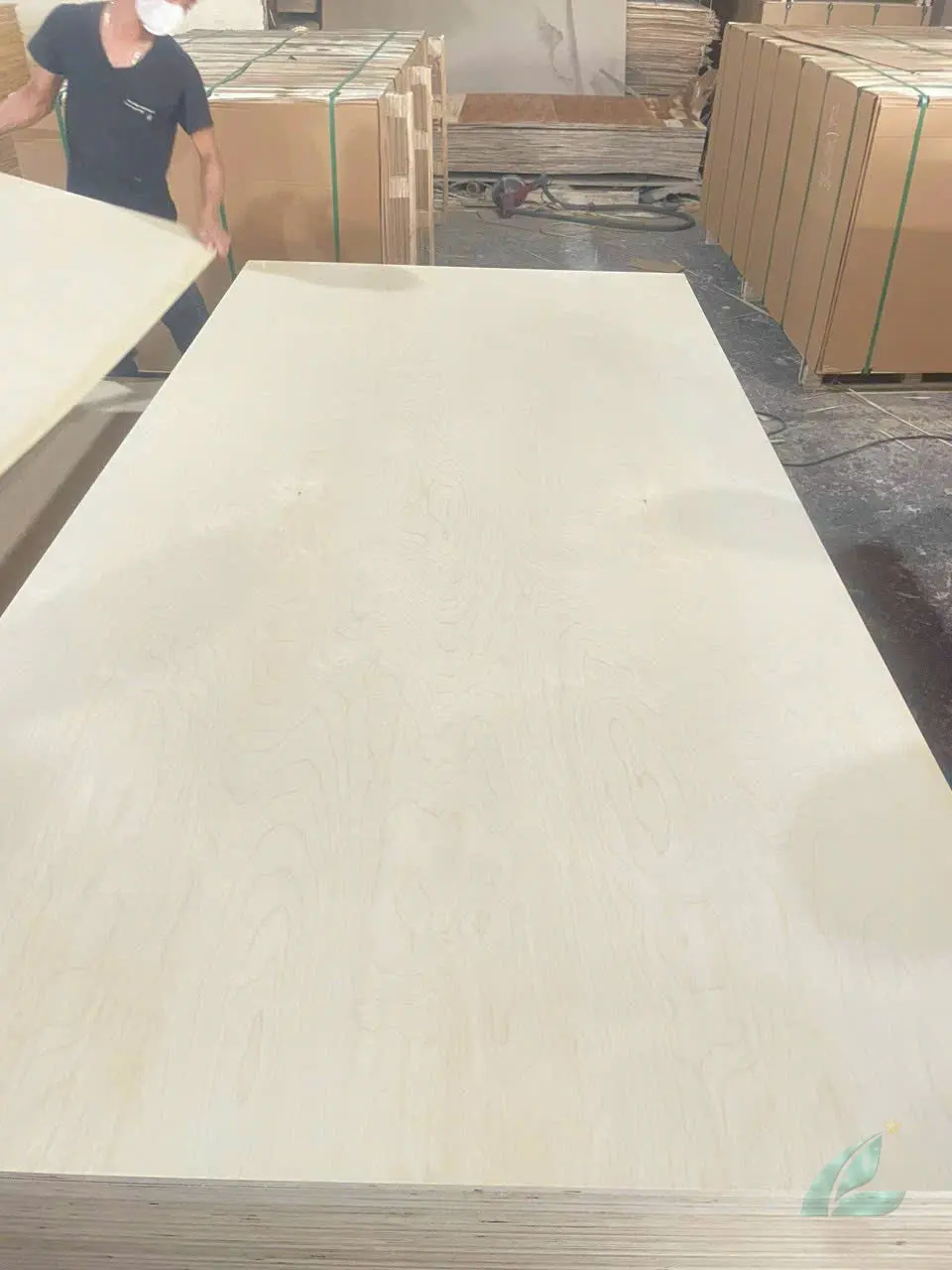
Vietnam has no natural birch forest. This is the first thing buyers need to understand when comparing sources.
Birch plywood in Vietnam is defined by its face veneer, not its core. Factories import birch veneer sheets — primarily from Finland, Russia, and Baltic states — and press them onto Vietnamese core species. This is standard practice across the global plywood trade: birch face gives the appearance, grain, and surface hardness; the core species determines density, weight, and structural performance.
At Mika Plywood’s Northern Vietnam facility, birch plywood is constructed as follows:
- Face: Imported birch veneer, 0.2–0.4mm thick, graded D, E, or F
- Core: Styrax (bồ đề), density 480–500 kg/m³, full stitched construction
- Glue: Melamine (MR) for furniture grade, with emission certified to E0 or CARB P2
- Sanding: Yes — both faces calibrated to ±0.3mm tolerance
- Thickness range: 4–30mm, standard sizes 1220×2440mm and 1250×2500mm
The styrax core is significant. At 480–500 kg/m³, it is the lightest Vietnamese plantation species — specifically selected for premium furniture applications where weight matters. European kitchen cabinet manufacturers specify styrax-core birch plywood from Vietnam precisely because the panel weight per sheet is comparable to full-birch construction from the Baltic states. For factory-finished panels, birch UV coated plywood adds a hard lacquer surface before shipment. (Mika Plywood production data, 2026)
💡 Tip: Styrax grows exclusively in Northern Vietnam. Suppliers sourcing from Southern Vietnam or general trading companies cannot reliably supply genuine styrax-core birch plywood. Mika Plywood’s factory is in Phú Thọ Province, Northern Vietnam — direct access to the styrax supply chain.
🔍 How China Makes Birch Plywood
Chinese birch plywood follows the same basic approach — imported birch face on a plantation core — but with important differences in core species and construction quality across the price spectrum.
Core species: Chinese factories typically use poplar or mixed hardwood. Poplar is lighter (approximately 400–450 kg/m³) and less dense than Vietnamese styrax, which can translate to softer panels and greater compression under load. Mixed hardwood cores vary significantly in quality.
Construction method: Budget-grade Chinese production commonly uses loose-lay core construction — veneer pieces placed without stitching or edge-jointing. This creates internal gaps that reduce panel strength, affect flatness, and increase delamination risk under humidity cycling. Premium Chinese manufacturers do offer stitched construction, but verifying this from a distance is difficult without factory audit.
Grading terminology mismatch: Chinese suppliers frequently use “A/B” or “BB/CC” grading labels that do not map directly to the D/E/F system used for birch veneer in Vietnam. An “A-grade” label from a Chinese supplier may refer to visual inspection criteria that differ from European or Korean import standards. This creates ambiguity during customs inspection.
⚠️ Important: The D/E/F grading system for birch is specific to birch veneer production standards. Grade D is the best available from Vietnamese factories — equivalent to a tight, knot-limited face. Do not compare “D” from Vietnam with “A” or “B” from China — these are different grading frameworks.
📋 Certifications: Where the Gap Is Largest
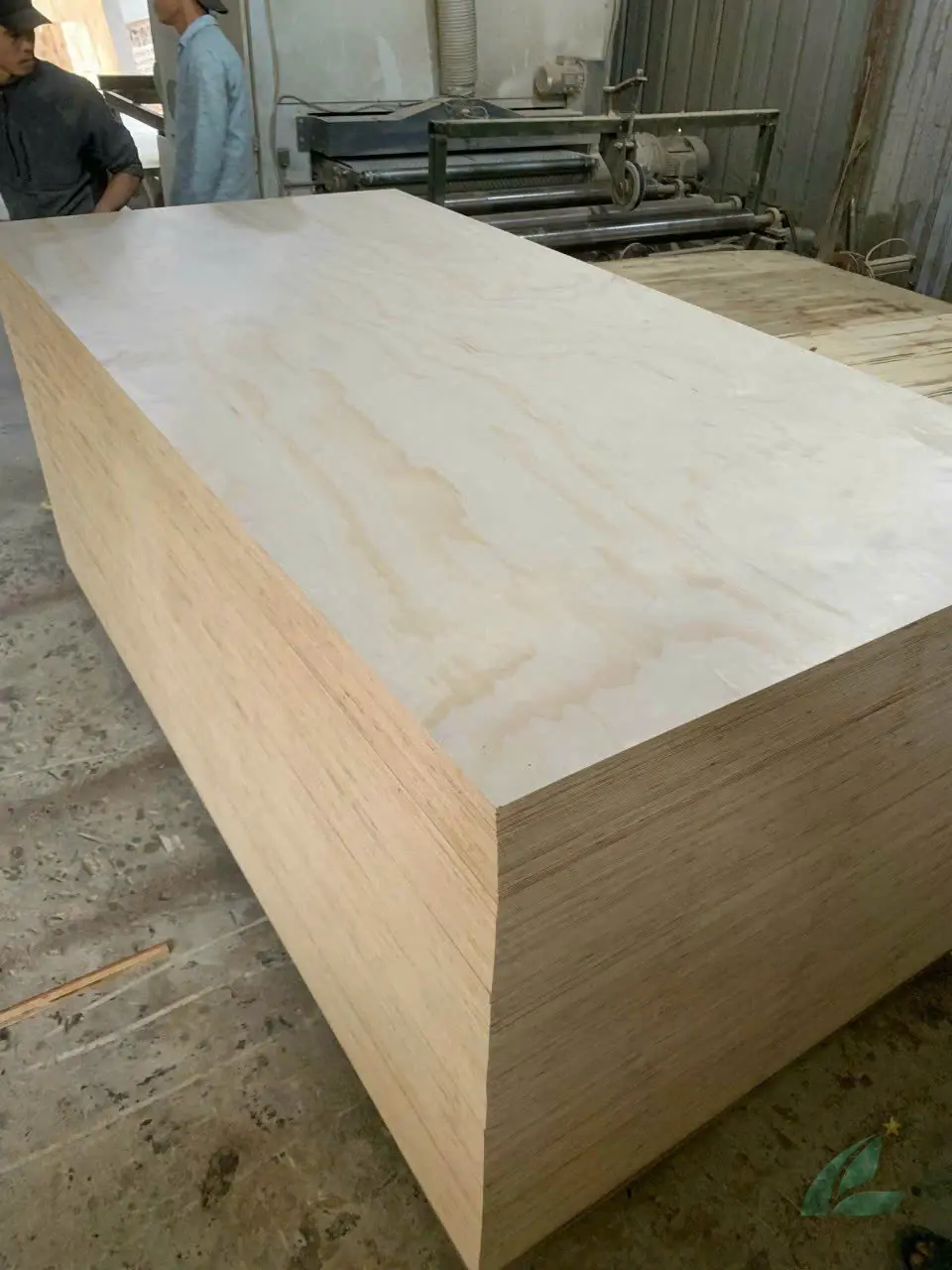
This is where the Vietnam vs China birch plywood comparison becomes most consequential for EU and US buyers.
📌 FSC Chain-of-Custody
Vietnam’s birch plywood suppliers who hold FSC certification (such as Mika Plywood) document the entire chain from certified forest source through processing to export. The FSC certificate covers both the imported birch face veneer and the Vietnamese core species.
Chinese FSC certificates exist but are harder to verify. Third-party audit trails for birch veneer sourcing — particularly from Russian origins — have faced scrutiny since 2022 sanctions affected Russian timber supply chains. (FSC International, 2023)
📌 CARB P2 and US Market Compliance
The US Hardwood Plywood market requires CARB Phase 2 compliance under the TSCA Title VI regulations enforced by the EPA. Formaldehyde emission testing must be conducted by a CARB-approved Third Party Certifier (TPC).
Mika Plywood holds CARB P2 certification across its birch plywood production line. Chinese suppliers with CARB P2 certification exist but require individual verification — the certification is product-line-specific, not factory-wide, and some suppliers present certifications that have lapsed or do not cover the specific thickness and core configuration ordered.
📌 EUDR Compliance
The EU Deforestation Regulation (EUDR) requires documented proof that wood products entering the EU were not produced on deforested land. For Vietnamese birch plywood, the birch face veneer (imported) and Vietnamese core species both require geo-location documentation and supply chain traceability.
Mika Plywood’s EUDR-compliant supply chain covers FSC-certified birch face veneer with documented origin and plantation-grown Vietnamese styrax core with forest management records. Most Chinese birch plywood suppliers — particularly those sourcing Russian-origin birch veneer — face significant EUDR documentation challenges as of 2025. (European Commission EUDR Implementation, 2025)
See our complete guide to plywood certifications and export documentation
📦 Quality Control: What Factory Data Shows
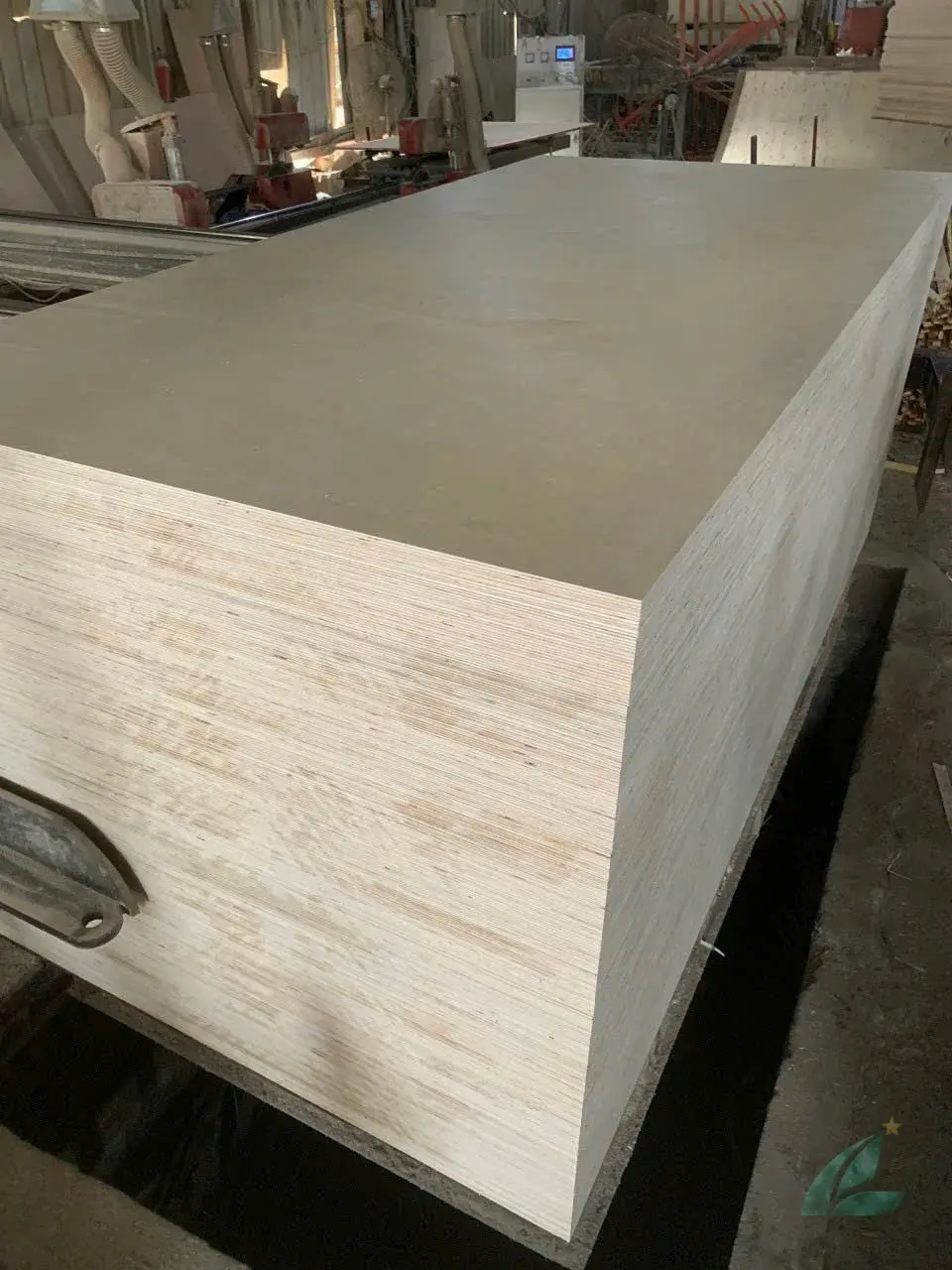
Quality consistency is where buyer experience diverges most sharply from price list expectations.
At Mika Plywood’s birch plywood production line, three QC checkpoints apply:
- Post-pressing check: Core gap inspection, delamination check, face adhesion pull test
- Post-sanding check: Thickness measurement at 9 points per sheet (target ±0.3mm), surface defect scan
- Pre-loading check: Final visual inspection, moisture content measurement (target 8–12%), pallet integrity
This three-stage process is documented with production photos and measurement records shipped with every order.
Chinese budget-grade production typically applies a single visual inspection before packing. Premium Chinese manufacturers apply multi-stage QC, but the audit documentation provided to importers is often less detailed.
“The single biggest quality complaint we resolve for buyers switching from Chinese birch plywood is thickness inconsistency — sheets that measure 17mm at one corner and 15.5mm at the opposite corner. That level of variation breaks CNC routing programs and creates waste. Our calibrated sanding line holds ±0.3mm across the full 1220×2440mm sheet.” — Jay, International Sales Manager, Mika Plywood
Explore the full plywood quality control process at our Northern Vietnam factories
💰 Price Analysis: Total Cost vs. Sticker Price
The FOB price gap between Vietnam and China birch plywood is real: expect 10–20% higher FOB from Vietnamese factories for equivalent thickness and grade specification.
However, total landed cost calculations frequently shift the comparison:
| Cost Factor | Vietnam | China |
|---|---|---|
| FOB price | Higher | Lower |
| Compliance testing (EU/US) | Already certified | May require testing |
| Customs rejection risk | Low | Medium |
| Rework / waste from QC issues | Low (±0.3mm tolerance) | Medium-high (budget grades) |
| EUDR non-compliance penalty | None | Potential detention/rejection |
| Reorder lead time on rejection | N/A | 6–8 weeks |
For buyers supplying EU furniture manufacturers or US cabinet importers, the compliance certification costs and rejection risk reduction from sourcing in Vietnam frequently close the FOB price gap entirely. (European Plywood Federation trade data, 2024)
💡 Pro tip: Request a breakdown of your China supplier’s CARB TPC certificate number. Check it against the current CARB Composite Wood Products database at ww2.arb.ca.gov. Expired or mismatched certificates are common and carry significant US import risk.
Get a factory-direct FOB price comparison for birch plywood from Mika Plywood
🏭 Which Markets Should Source from Vietnam?
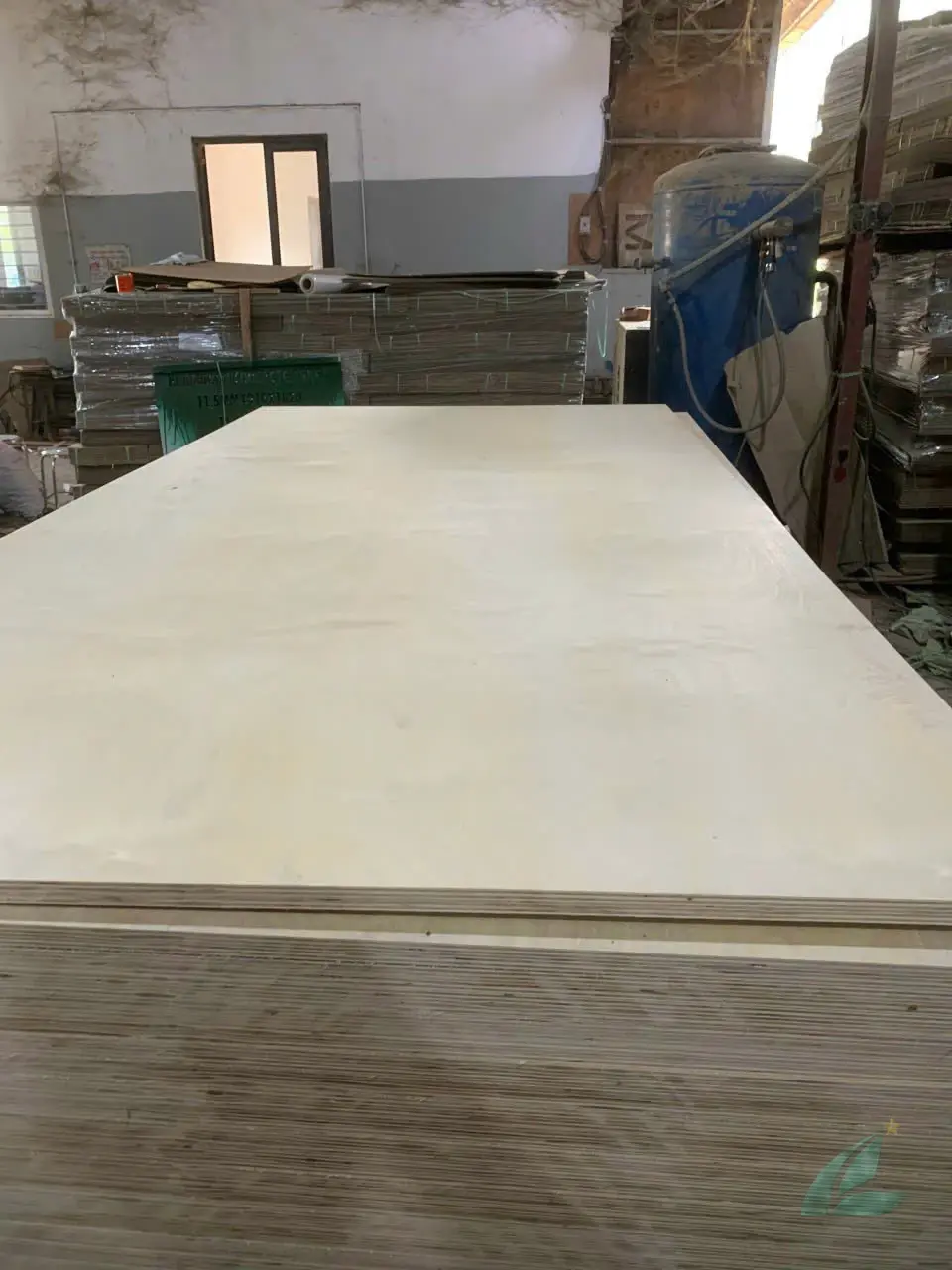
Based on Mika Plywood’s export data across 20+ countries, Vietnam birch plywood is the optimal source for:
European furniture manufacturers (Germany, Poland, France, Spain)
- EUDR compliance is mandatory from 2025
- E0/CARB P2 emission standard required for interior furniture
- FSC certification preferred by major retail buyers (IKEA, B&Q supply chains)
South Korean kitchen cabinet importers
- E0 emission standard mandatory
- Strict thickness tolerance for CNC production lines
- Vietnam-Korea proximity = shorter transit vs Eastern Europe
US hardwood plywood importers
- CARB P2 mandatory under TSCA Title VI
- Anti-dumping duties (CVD/ADD) on Chinese hardwood plywood — Vietnam is excluded from current AD/CVD orders covering Chinese production
- Lacey Act compliance documentation available from Mika Plywood
Indian furniture exporters (secondary processing)
- BIS certification and IS 710 compliance available from Mika Plywood
- Northern Vietnam FOB Hai Phong shipping lanes to Indian ports (Nhava Sheva, Mundra) are well-established
See our Vietnam plywood export markets guide by country
China birch plywood remains viable for:
- Price-sensitive Southeast Asian commercial applications
- Projects where certification is not a buyer or end-market requirement
- Buyers with established supplier audit relationships and in-market testing capability
✅ How to Evaluate Any Birch Plywood Supplier
Whether sourcing from Vietnam or China, apply these five verification checks before placing a container order:
- Face veneer grade documentation: Request the veneer supplier’s species and grade certificate. “Birch” covers a wide range of visual quality — insist on the specific grade (D, E, or F for Vietnamese production)
- Core species declaration: Ask for the core species explicitly in the purchase order. Reject vague terms like “mixed hardwood core”
- CARB TPC certificate number: Verify against the active CARB Composite Wood Products database
- FSC certificate code: Verify at info.fsc.org using the supplier’s certificate code
- Thickness measurement protocol: Ask how many measurement points per sheet, and request a recent production QC report showing measurement variance
“We send buyers a pre-shipment inspection report with thickness measurements from 10 randomly selected sheets per pallet, along with moisture content readings and surface defect photos. If a buyer wants third-party inspection, we accommodate that at loading. That transparency is how we build 3–5 year supply relationships.” — Jay, International Sales Manager, Mika Plywood
Download our birch plywood product specification sheet and request a sample order
Related reading:
- For grading, see birch plywood grade D/E/F explained.
- See also Vietnam birch as a Russian birch alternative.
- Our birch plywood Vietnam manufacturers guide covers supplier evaluation.
Disclosure: This article is published by Mika Plywood, a Vietnam-based plywood manufacturer and export operator. While we aim to provide objective industry guidance, readers should consider our perspective as a market participant when evaluating recommendations.
🔗 Related Articles
- Birch plywood Vietnam — How Vietnam makes birch plywood with imported face + styrax core
- Plywood face veneer types — Complete buyer guide from Vietnam factory
- Styrax core plywood — Why global furniture makers choose styrax as birch core alternative
- Plywood certifications and export documentation — FSC, CARB, CE, EUDR guide
- Vietnam plywood supplier types — Buyer’s due diligence guide
📐 Conclusion
Vietnam birch plywood is not always the cheapest option on paper. It is the lower-risk, lower-total-cost option for buyers who operate in compliance-sensitive markets — EU furniture manufacturers, US importers subject to CARB/Lacey Act, and Korean cabinet producers requiring E0 certification and tight thickness tolerances.
China birch plywood remains competitive for buyers prioritizing FOB price in markets with fewer compliance requirements. The risk profile is acceptable when the buyer has established audit capability and the end market does not mandate FSC, EUDR, or CARB P2 documentation.
For most international furniture importers reading this in 2026, the compliance trajectory is moving in one direction: more documentation, stricter enforcement, higher penalties for non-compliant imports. Sourcing birch plywood Vietnam from an FSC/CARB/EUDR-certified factory is not a premium — it is risk management.
Request samples and FOB pricing for birch plywood from Mika Plywood — No commitment required
Frequently Asked Questions
Is birch plywood from Vietnam better than China birch plywood?Vietnam birch plywood offers better compliance documentation (FSC, CARB P2, CE, EUDR) and more consistent QC verification. Chinese suppliers often compete purely on price but carry higher risks of thickness variation, delamination, and failed customs compliance checks in the EU and US markets.What grade is birch plywood from Vietnam?Vietnamese birch plywood uses imported birch face veneer graded D, E, or F — not the A/B grading system used for tropical species. Grade D is the highest quality available from Vietnamese production, with a clean, light-colored surface suitable for premium furniture and cabinet applications.What core is used in Vietnam birch plywood?Styrax (bồ đề) is the standard core species for birch plywood in Northern Vietnam. Density 480–500 kg/m³ — lighter than acacia or eucalyptus — making it the closest equivalent to full-birch construction for furniture weight requirements.How does the price of Vietnam birch plywood compare to China?Vietnam birch plywood FOB prices are typically 10–20% higher than the lowest Chinese quotes. However, when accounting for compliance testing costs, rejection risk, and potential customs clearance issues, the total landed cost from Vietnam is often lower for EU and US buyers.Does Vietnam birch plywood meet CARB P2 and FSC requirements?Yes. Mika Plywood birch plywood is produced with FSC chain-of-custody certified birch face veneer and can be supplied with CARB P2 emission certification, CE marking, EUDR compliance documentation, and ISO 9001 quality management certification.
Ready to order?
Request birch plywood samples and factory pricing from Mika Plywood

Written by
Jay
International Sales Manager
Content contributor at Vietnam Plywood.
On this page
- 📊 TL;DR — Quick Comparison Table
- 🔍 How Vietnam Makes Birch Plywood
- 🔍 How China Makes Birch Plywood
- 📋 Certifications: Where the Gap Is Largest
- 📌 FSC Chain-of-Custody
- 📌 CARB P2 and US Market Compliance
- 📌 EUDR Compliance
- 📦 Quality Control: What Factory Data Shows
- 💰 Price Analysis: Total Cost vs. Sticker Price
- 🏭 Which Markets Should Source from Vietnam?
- ✅ How to Evaluate Any Birch Plywood Supplier
- 🔗 Related Articles
- 📐 Conclusion
On this page
- 📊 TL;DR — Quick Comparison Table
- 🔍 How Vietnam Makes Birch Plywood
- 🔍 How China Makes Birch Plywood
- 📋 Certifications: Where the Gap Is Largest
- 📌 FSC Chain-of-Custody
- 📌 CARB P2 and US Market Compliance
- 📌 EUDR Compliance
- 📦 Quality Control: What Factory Data Shows
- 💰 Price Analysis: Total Cost vs. Sticker Price
- 🏭 Which Markets Should Source from Vietnam?
- ✅ How to Evaluate Any Birch Plywood Supplier
- 🔗 Related Articles
- 📐 Conclusion
Industry Newsletter
Stay Updated with
Plywood Industry Insights
Factory prices, spec guides, market trends and export tips — delivered weekly to B2B buyers and importers in 20+ countries.