EUDR plywood regulation for Vietnam exporters — enforcement deadlines, HS 4412, plantation wood advantage, FSC role, and compliance documentation.
Every plywood shipment entering the European Union on or after December 30, 2026 must be backed by documented proof that the wood did not originate from deforested land. This applies to all plywood under HS Code 4412 — regardless of face species, thickness, application, or which country in the EU receives it.
For Vietnam plywood exporters, this creates both a compliance requirement and a competitive opportunity. Vietnam’s plantation-based supply chain — primarily acacia, eucalyptus, and styrax grown on registered agricultural land — is structurally better positioned for EUDR compliance than suppliers using natural forest timber. Exporters who comply and build complete documentation systems before the deadline will protect existing EU accounts and capture business from competitors who cannot meet the standard.
This article explains the regulation, the enforcement timeline, what documentation a shipment must carry, and how Mika Plywood has structured its compliance framework.
📋 What Is EUDR and Why Does It Affect Plywood?
EUDR (EU Deforestation Regulation, Regulation EU 2023/1115) was adopted June 29, 2023, with the stated goal of verifying that products sold in the EU do not contribute to global deforestation or forest degradation. The regulation targets seven commodity categories: cattle, cocoa, coffee, palm oil, soya, wood, and rubber — and all derived products.
For the timber and panel industry, EUDR covers all wood-based products including plywood, veneered panels, laminated lumber, and similar products. Plywood falls explicitly under HS Code 4412 — one of the most clearly defined categories in the regulation.
⚠️ Key Date: December 31, 2020 is the deforestation cut-off. Any land converted from forest to another use after this date cannot be a valid source for EUDR-compliant products, regardless of other certifications held.
The regulation places legal responsibility on the operator who first places the product on the EU market. That party must collect all required documentation from the supplier before the shipment arrives.
This means Vietnamese exporters face a downstream demand: EU importers will only accept shipments accompanied by documentation proving deforestation-free origin. Exporters who cannot provide this documentation will lose EU accounts — directly.
📅 Enforcement Timeline — What Changed in December 2025
The original EUDR enforcement date of December 30, 2025 was extended following amendments adopted December 19, 2025 (Regulation EU 2025/2650). The revised schedule is:
| Operator Type | Full EUDR Enforcement |
|---|---|
| Large and medium operators | December 30, 2026 |
| Small and micro-enterprises (non-EUTR) | June 30, 2027 |
| Small and micro-enterprises (EUTR-covered) | December 30, 2026 |
The 12-month extension was granted to allow operators more time to build compliance infrastructure. It does not change the substance of the requirements — only the deadline. Exporters who wait until Q3 2026 to begin building documentation systems will face a compressed timeline for auditing their supply chains.
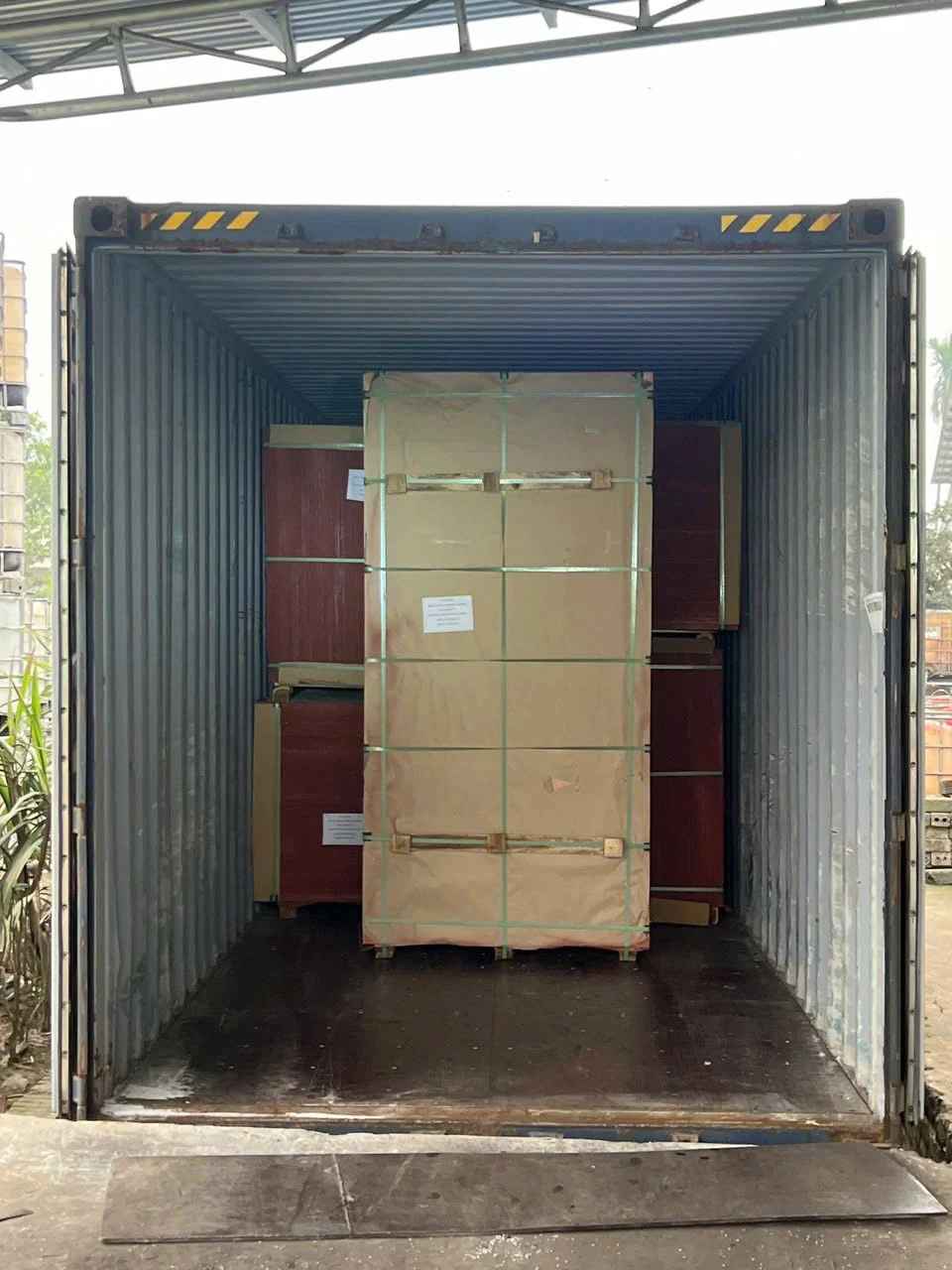
Mika Plywood container loading documentation is prepared alongside physical shipment verification.
📦 What HS 4412 Plywood Must Demonstrate
Under EUDR, every plywood shipment entering the EU must satisfy five documented requirements. These are not certification levels — they are specific data points that must be collected, verified, and filed in the EU’s TRACES system before the shipment is accepted.
📌 1. Geolocation of Harvest Sites
GPS coordinates (minimum six decimal places) of all plots where the wood was harvested. For Vietnamese plantation operators, this means the registered coordinates of acacia or eucalyptus plantation parcels — not the factory location.
📌 2. Country and Region of Production
Identification of the country where the commodity was produced, with sub-national detail where required. Vietnam = country of origin for Vietnamese plantation material; the province (e.g., Phu Tho, Ha Giang, Yen Bai) provides the regional specificity.
📌 3. Proof of Legal Harvest
Documentation showing that harvest was conducted legally under the laws of the producing country. In Vietnam, this includes harvest permits (Giấy phép khai thác), land use certificates (LURC / Sổ đỏ), transportation documents, and processing chain records under VNTLAS (Vietnam National Timber Legality Assurance System).
📌 4. Deforestation-Free Verification
Evidence that the land was not converted from forest to another use after December 31, 2020. For long-established Vietnamese plantations, historical land registration documents and satellite monitoring data are the standard evidence.
📌 5. Due Diligence Statement (DDS)
A formal declaration submitted to the EU TRACES system before the shipment enters the EU. The DDS confirms that the operator has collected the above documentation, assessed risk, and implemented mitigation measures where risk was identified.
Key Insight: Under the December 2025 amendments, only the first operator placing the product on the EU market is responsible for filing the DDS and retaining documentation. Downstream traders in the EU receive the DDS reference number, not the full documentation set. This concentrates compliance responsibility at the importer level — but the importer cannot complete the DDS without data from the Vietnamese exporter.
🌿 Vietnam’s Plantation Wood Advantage
Vietnam’s deforestation risk profile for plywood production is significantly lower than for suppliers using natural forest timber from tropical regions. This structural advantage stems from three characteristics of the Vietnamese supply chain:
-
Plantation-grown core species. The three main core species used in Vietnamese plywood — acacia (~580 kg/m³), eucalyptus (650–750 kg/m³), and styrax (480–500 kg/m³) — are all plantation-grown on registered agricultural or forestry land (Mika Plywood production data, 2026). These plantations were established well before the December 2020 cut-off date.
-
Small-parcel, registered land. Northern Vietnamese plantation forestry operates primarily on smallholder plots registered under the government’s land allocation program (Chương trình 327/661). Each parcel has a Land Use Rights Certificate (LURC), which provides the documentary foundation for EUDR legality verification. (Vietnam Forest Trends Dashboard, January 2025)
-
VNTLAS alignment. Vietnam operates VNTLAS (Vietnam National Timber Legality Assurance System), a national framework for timber legality verification aligned with the EU’s FLEGT requirements. While Vietnam does not hold a formal EU VPA/FLEGT license, VNTLAS provides the chain of documentation — harvest permits, transport documents, processing records — that EU operators need for their due diligence statements.
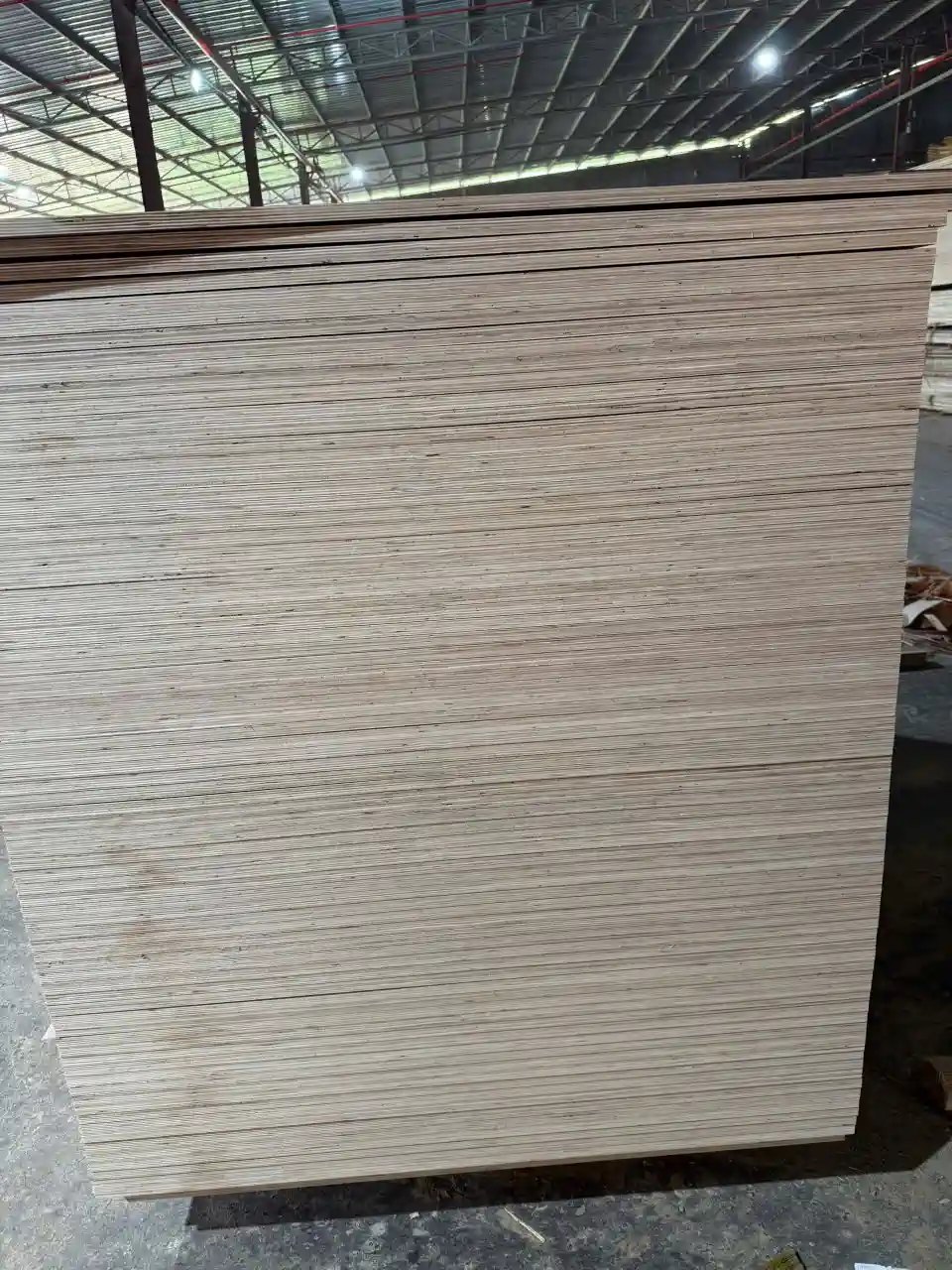
On-site quality control at Mika Plywood production facilities includes documentation traceability checks alongside physical inspection.
However, Vietnam’s classification as standard risk (European Commission Country Benchmarking, May 2025) means full due diligence — including GPS coordinates and DDS submission — is required for every shipment. The plantation advantage reduces the likelihood of deforestation-free status being challenged, but it does not reduce the administrative documentation requirement.
🔍 The Role of FSC Certification in EUDR
FSC (Forest Stewardship Council) Chain of Custody certification is the most recognized third-party mechanism for supporting EUDR compliance, but it is not a substitute for EUDR compliance itself.
What FSC CoC does provide:
- Chain-of-custody traceability from certified forest through to finished product
- Annual third-party audits verifying legal rights to harvest and compliance with national forestry laws
- Species and volume tracking at each processing stage
- Access to FSC Trace (blockchain-based traceability platform under development)
What FSC CoC does not provide automatically:
- GPS coordinates of individual harvest plots in the required decimal format
- A Due Diligence Statement submitted to EU TRACES
- Risk assessment documentation in EUDR-specified format
- Deforestation-free status verification against satellite forest cover data
⚠️ Important: FSC certification “significantly reduces but does not eliminate the due diligence obligation under EUDR.” (FSC EUDR Factsheet, FSC.org, 2023). An FSC-certified Vietnamese factory must still collect plantation GPS data and file DDS statements with each EU-bound shipment.
Mika Plywood holds FSC Chain of Custody certification across all three of its specialized production facilities. This provides EU importers with strong third-party verification of the supply chain and substantially reduces the risk assessment burden for the DDS filing. For EU buyers, purchasing from an FSC-certified supplier with complete plantation documentation is the lowest-risk compliance path available.
View Mika Plywood’s certifications and full documentation capabilities
📊 The REACH Formaldehyde Deadline — A Simultaneous Compliance Challenge
EU plywood importers face a second significant compliance deadline in 2026: new REACH formaldehyde limits take effect August 6, 2026, reducing the permissible emission level from E1 standard (≤0.1 ppm) to a tighter threshold of 0.062 mg/m³ under REACH Annex XVII.
This affects product specification, not just documentation:
- Plywood shipped before August 6, 2026 can meet current E1 limits
- Plywood shipped after August 6, 2026 must meet the lower 0.062 mg/m³ threshold
- E0-grade plywood from Mika Plywood (≤0.5 mg/L) already meets this requirement
For EU procurement teams planning 2026 purchase orders, both EUDR and REACH deadlines must be addressed in supplier qualification. Sourcing from a factory that offers EUDR documentation AND E0-grade emission performance eliminates both compliance risks simultaneously.
🏭 A Practical EUDR Documentation Framework
Mika Plywood has built a compliance documentation system for EU-bound shipments that addresses all five EUDR requirements. The documentation package provided for each EU shipment includes:
| Document | EUDR Requirement Addressed |
|---|---|
| GPS coordinates of plantation parcels | Geolocation requirement |
| Land Use Rights Certificates (LURC) | Legal harvest proof |
| Harvest permits (Khai thác) | Legal harvest proof |
| VNTLAS timber legality records | Legality + traceability |
| Species identification (Acacia/Eucalyptus/Styrax) | Species and volume declaration |
| FSC Chain of Custody certificate | Third-party traceability verification |
| Forest monitoring attestation | Deforestation-free verification |
“Every EU-bound shipment we process has this documentation prepared before the container is loaded. Our plantation suppliers have been GPS-registered since we began the EUDR compliance program in 2024 — before the original enforcement date.” — Jay, International Sales Manager, Mika Plywood
EU importers can use Mika Plywood’s documentation package as the primary data source for completing their Due Diligence Statement in EU TRACES. The reference number generated after DDS submission is then retained by all downstream operators in the chain.

Export-ready Mika Plywood shipments include full documentation packages prepared for EU customs review.
Request a sample EUDR documentation package from Mika Plywood
📐 Practical Checklist for EU Plywood Buyers Evaluating Suppliers
Before confirming a Vietnam plywood supplier for 2026 EU orders, verify these eight points:
- FSC CoC certificate — valid, covers the specific product you are ordering
- Plantation GPS data — coordinates available at plot level, minimum 6 decimal places
- Land tenure documents — LURC or equivalent for each supply source
- VNTLAS records — timber legality documentation chain from forest to factory
- Species confirmation — written confirmation that no high-risk tropical species are used
- Historical satellite data — attestation or supporting evidence that land was not converted after Dec 31, 2020
- E0 emission capability — test reports for current REACH formaldehyde limits, confirmed prior to August 2026 deadline
- DDS cooperation — explicit willingness to provide all data needed for your DDS filing
A supplier who can provide all eight items before the purchase order is signed is EUDR-compliant in practice, regardless of what their marketing materials say.
📊 How Vietnam Compares to Other Plywood Origins Under EUDR
| Supply Origin | EUDR Risk Level | Plantation Wood Available | VNTLAS/Legal Framework | Typical DDS Complexity |
|---|---|---|---|---|
| Vietnam | Standard | Yes (acacia, eucalyptus, styrax) | VNTLAS + FSC | Medium |
| Indonesia | Standard | Partial (mixed) | SVLK | Medium–High |
| Malaysia | Standard | Partial (mixed) | MTCS | Medium–High |
| China | Standard | Partial | N/A | High |
| Brazil | High | Limited | N/A | Very High |
| EU countries | Low | Yes (certified forests) | EUTR + FLEGT | Low |
Vietnam’s plantation model places it among the more tractable standard-risk origins. The key differentiator versus other standard-risk origins is the prevalence of GPS-registered smallholder plantation land and the VNTLAS framework. (European Commission Country Benchmarking, May 2025; ATIBT, 2025)
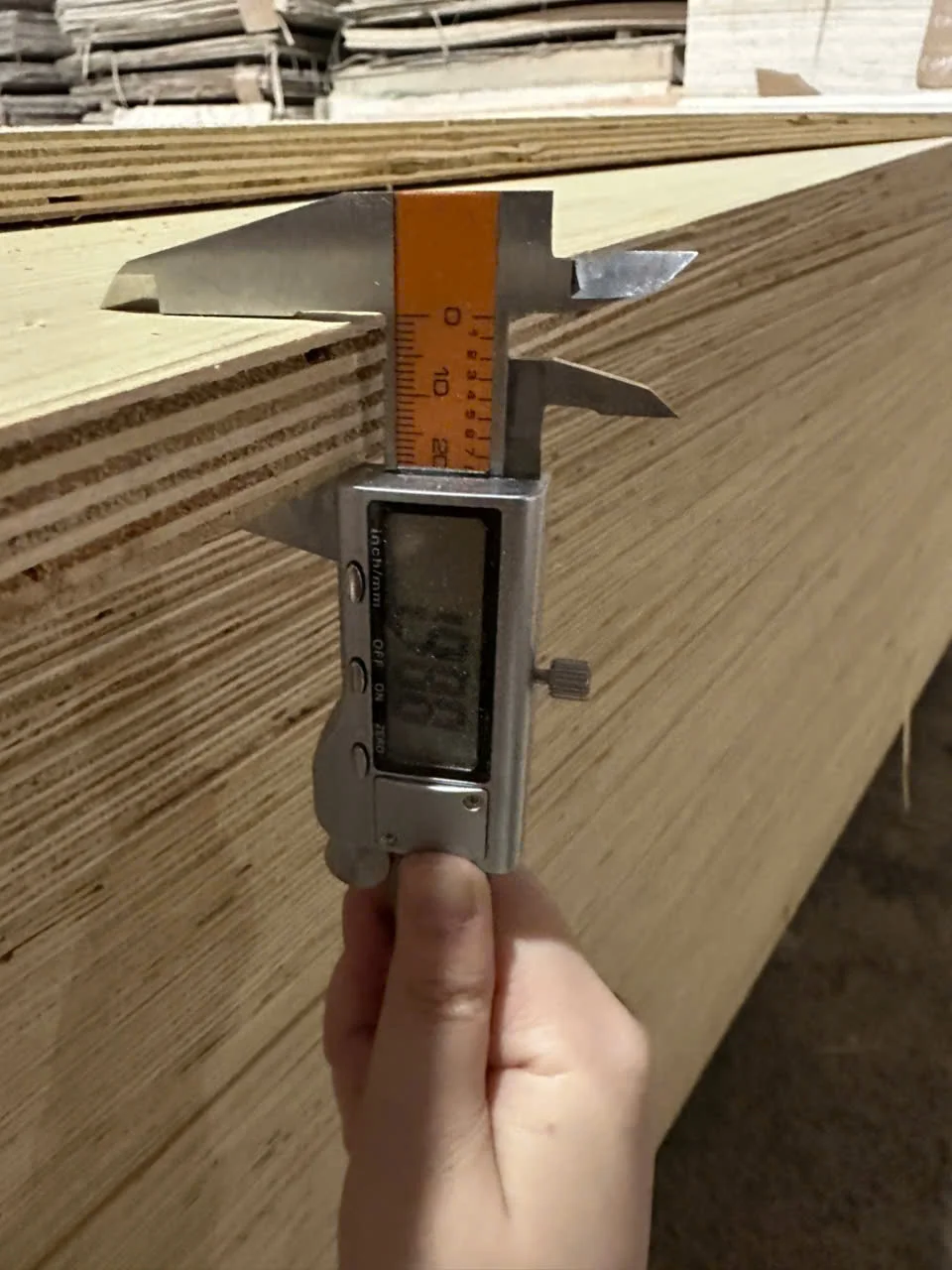
Thickness calibration and documentation checks are part of Mika Plywood’s pre-shipment QC protocol for every order.
✅ Summary
The EU Deforestation Regulation (EUDR) enforcement for plywood (HS 4412) begins December 30, 2026 for large and medium operators. Every EU-bound shipment must carry GPS geolocation of harvest sites, proof of legal harvest, deforestation-free attestation, and a Due Diligence Statement filed in EU TRACES before clearing customs.
Vietnam’s plantation-based supply chain is structurally advantaged for EUDR compliance — acacia, eucalyptus, and styrax plantations on registered land with VNTLAS documentation reduce actual deforestation risk. The country’s standard-risk classification still requires full documentation for every shipment.
FSC Chain of Custody certification from the supplier provides the strongest third-party traceability verification but must be supplemented with plantation GPS data and formal DDS filing to constitute full compliance.
Mika Plywood provides a complete EUDR documentation package for EU-bound shipments: GPS coordinates, LURC documents, VNTLAS records, FSC CoC, and species identification. EU buyers can use this package directly for DDS filing without conducting separate supplier audits.
For a sample documentation package or to discuss your specific 2026 EU purchase requirements, contact Mika Plywood directly.
Get EUDR Documentation from Mika Plywood — Request via WhatsApp or Email
Disclosure: This article is published by Mika Plywood, a Vietnam-based plywood manufacturer and export operator. While we aim to provide objective industry guidance, readers should consider our perspective as a market participant when evaluating recommendations.
View full EUDR importer compliance guide for detailed DDS requirements
For a comparison of how EUDR differs from the earlier EUTR framework it replaces, see EUDR vs EUTR — EU timber regulation for Vietnam plywood suppliers. See also Mika Plywood’s EUDR and EUTR compliance overview.
Frequently Asked Questions
What does EUDR mean for plywood exports from Vietnam?EUDR (EU Regulation 2023/1115) requires that all plywood entering the EU be deforestation-free and legally harvested. Vietnamese exporters must provide GPS coordinates of harvest plots, legal harvest documentation, and a Due Diligence Statement (DDS) filed in the EU TRACES system before each shipment. Vietnam's plantation-grown acacia and eucalyptus are structurally well-positioned for compliance.When is EUDR enforcement for plywood?Full enforcement begins December 30, 2026 for large and medium operators. Small and micro-enterprises have until June 30, 2027. The cut-off date for deforestation-free status is December 31, 2020 — wood harvested from land converted to another use after that date cannot enter the EU.Is [FSC certification](/fsc-certified-plywood-vietnam-what-buyers-need/) enough for EUDR compliance?FSC certification is strong supporting evidence but is not sufficient on its own. EUDR requires a formal Due Diligence Statement filed via EU TRACES, GPS geolocation of harvest sites, and risk assessment documentation — elements not automatically produced by FSC chain-of-custody certification alone. FSC CoC significantly reduces the due diligence burden and is the most recognized third-party verification.What is Vietnam's EUDR country risk classification?Vietnam is classified as standard risk under the initial EUDR benchmarking published May 2025. This requires full due diligence for all shipments — including GPS data, legality documentation, and DDS submission. Vietnam's plantation-based supply chain (acacia, eucalyptus, styrax) reduces actual risk, but the classification still demands complete documentation.What HS codes does EUDR cover for plywood?Plywood falls under HS Code 4412, which is explicitly covered by EUDR. The regulation covers all wood-based panels including plywood, veneered panels, LVL, and similar laminated wood products. Both finished plywood and semi-finished veneered panels entering the EU require full EUDR compliance.
Ready to order?
Request EUDR Documentation Package

Written by
David
Export Project Leader
Content contributor at Vietnam Plywood.
On this page
- 📋 What Is EUDR and Why Does It Affect Plywood?
- 📅 Enforcement Timeline — What Changed in December 2025
- 📦 What HS 4412 Plywood Must Demonstrate
- 📌 1. Geolocation of Harvest Sites
- 📌 2. Country and Region of Production
- 📌 3. Proof of Legal Harvest
- 📌 4. Deforestation-Free Verification
- 📌 5. Due Diligence Statement (DDS)
- 🌿 Vietnam’s Plantation Wood Advantage
- 🔍 The Role of FSC Certification in EUDR
- 📊 The REACH Formaldehyde Deadline — A Simultaneous Compliance Challenge
- 🏭 A Practical EUDR Documentation Framework
- 📐 Practical Checklist for EU Plywood Buyers Evaluating Suppliers
- 📊 How Vietnam Compares to Other Plywood Origins Under EUDR
- ✅ Summary
On this page
- 📋 What Is EUDR and Why Does It Affect Plywood?
- 📅 Enforcement Timeline — What Changed in December 2025
- 📦 What HS 4412 Plywood Must Demonstrate
- 📌 1. Geolocation of Harvest Sites
- 📌 2. Country and Region of Production
- 📌 3. Proof of Legal Harvest
- 📌 4. Deforestation-Free Verification
- 📌 5. Due Diligence Statement (DDS)
- 🌿 Vietnam’s Plantation Wood Advantage
- 🔍 The Role of FSC Certification in EUDR
- 📊 The REACH Formaldehyde Deadline — A Simultaneous Compliance Challenge
- 🏭 A Practical EUDR Documentation Framework
- 📐 Practical Checklist for EU Plywood Buyers Evaluating Suppliers
- 📊 How Vietnam Compares to Other Plywood Origins Under EUDR
- ✅ Summary
Industry Newsletter
Stay Updated with
Plywood Industry Insights
Factory prices, spec guides, market trends and export tips — delivered weekly to B2B buyers and importers in 20+ countries.