Bintangor Grade A vs B: defect allowances, price gap per CBM, and which grade to specify for furniture, packaging, or commercial plywood from Vietnam.
Bintangor face grading decides whether your panels work for visible furniture surfaces or only for covered structural applications. Ordering the wrong grade costs either quality or money — and with bintangor, the two grades are close enough in appearance that buyers often discover the mismatch only after delivery.
This guide covers how Grade A and Grade B bintangor face differ in practice, what defects each allows, the realistic price gap, and which grade to specify for your application — and typical usage scenarios for each. The information reflects Mika Plywood’s production and grading practice as of 2026.
📋 What Is Bintangor Face Veneer?
Bintangor is a tropical hardwood species (Calophyllum spp.) native to Southeast Asia. Its reddish-brown color, straight grain, and low cost make it the most widely used commercial face veneer in Vietnamese plywood production. It appears on furniture panels, cabinet interiors, packaging crates, and commercial joinery shipped to India, the Middle East, Southeast Asia, and East Africa.
Bintangor plywood from Vietnam uses the face species to classify the panel — so any plywood with bintangor veneer on the face is called “bintangor plywood” regardless of the core species beneath (acacia, styrax, or eucalyptus). For a full comparison with alternative species, see Bintangor vs Okoume Plywood.
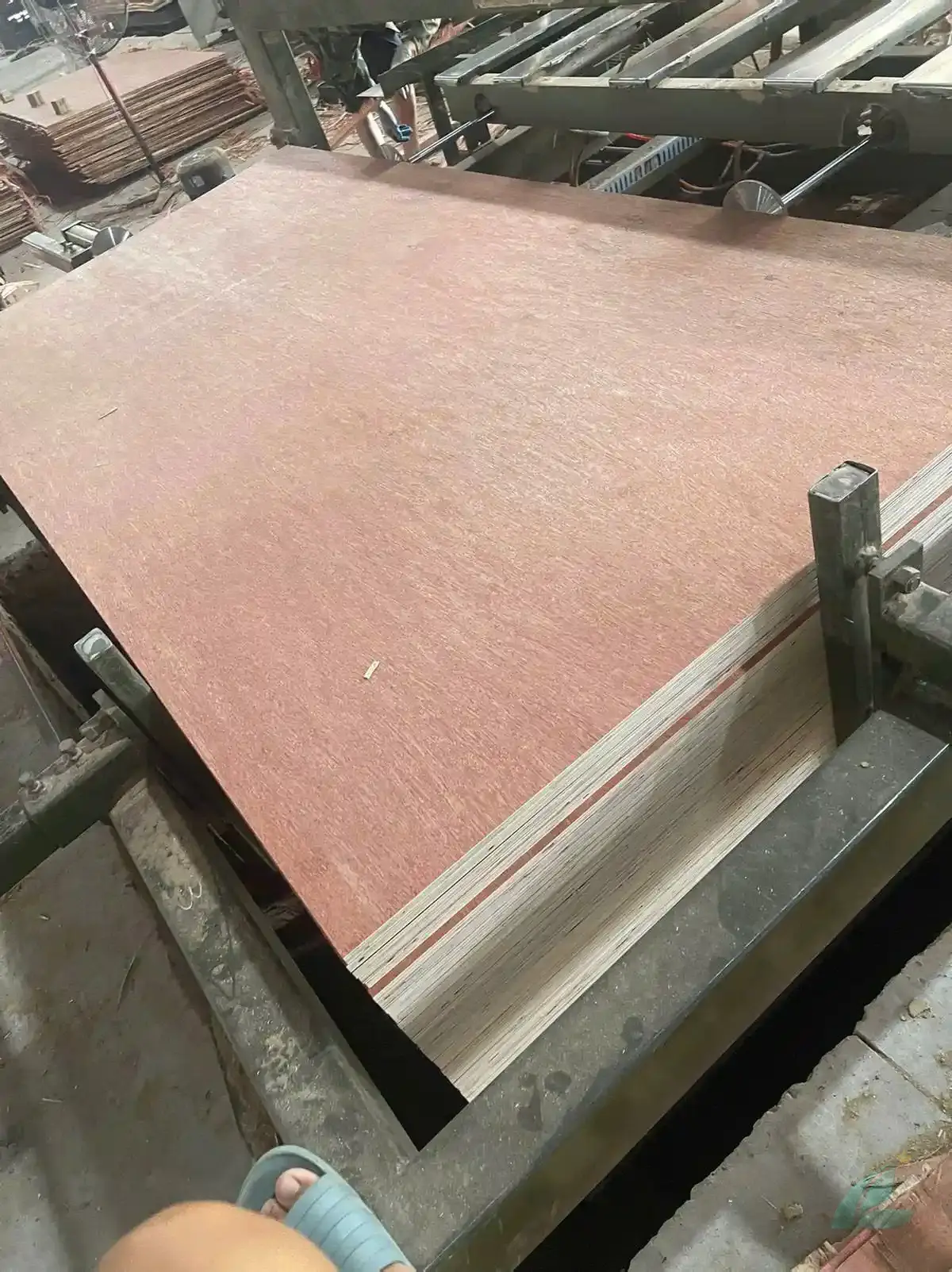
The grading system for bintangor follows the A/B classification used for tropical hardwood face veneers — not the D/E/F scale used exclusively for birch. Understanding this distinction prevents the most common ordering error in cross-species procurement.
📊 Grade A vs Grade B: The Technical Differences
📌 Grade A Bintangor Face
Grade A is the premium face grade for bintangor plywood. It means the visible surface veneer meets the tightest defect allowances in Vietnamese commercial production.
Grade A allows:
- Tight, sound knots — typically under 5mm diameter, maximum 1–2 per 1220×2440mm sheet
- Minor grain deviation where it does not affect surface integrity
- Consistent reddish-brown color with natural wood variation
Grade A does not allow:
- Open knotholes or split knots
- Open cracks or splits exceeding 0.5mm width
- Visible patching with putty or synthetic filler
- Delamination, bubble, or surface roughness
- Significant color streaking or mineral staining visible after sanding
The face is always sanded at Grade A. Surface tolerance is calibrated to ±0.3mm thickness by wide-belt sander (Mika Plywood production data, 2026).
Applications: Painted furniture fronts, cabinet door panels, visible interior fitout, export goods requiring clean surface presentation in India and Middle East markets.
📌 Grade B Bintangor Face
Grade B is the standard commercial grade. It describes a face veneer that is clean and workable but permits a defined range of repairs and natural imperfections.
Grade B allows:
- Sound repaired knots — putty-filled or resin-patched, flush to surface when sanded
- Patches from dead knots that have been removed and filled
- Slight color variation between veneer pieces
- Minor end-splits sealed with filler (not through the panel)
- More grain deviation than Grade A
Grade B does not allow:
- Open knotholes (unfilled)
- Through-splits or open cracks
- Delamination or bubble defects
- Significant degrade that prevents adhesion or normal use
Grade B face is still sanded. The surface can be painted, laminated, or used in applications where minor repairs are covered by a finish coating (International Hardwood Veneer Grading Rules, 2020).
Applications: Back face of furniture panels, commercial joinery back panels, internal cabinet walls, packaging applications requiring a closed surface but not premium appearance.
🔧 A/B vs B/B: The Most-Ordered Specification
Most commercial bintangor plywood is ordered as A/B — Grade A on the face (visible side), Grade B on the back (hidden side). This combination balances presentation quality with cost.
| Specification | Face | Back | Best Use |
|---|---|---|---|
| A/A | Grade A | Grade A | Two-sided visible panels (rare, highest cost) |
| A/B | Grade A | Grade B | Furniture, cabinet fronts, joinery (most common) |
| B/B | Grade B | Grade B | Commercial joinery, covered surfaces, general trade |
| B/C | Grade B | Grade C | Packaging, packing crates, hidden structural panels |
“For most furniture export orders from India, A/B bintangor with acacia or styrax core is the default specification. Buyers moving to Grade A/A typically do so only when both faces are visible in the final product — for example, open-shelf cabinet sides.” — Jay, International Sales Manager, Mika Plywood
💰 Price Gap: How Much Does Grade Cost?
The price difference between Grade A/B and Grade B/B bintangor plywood from Vietnam is typically USD 5–12 per CBM at FOB Hai Phong, depending on:
- Panel thickness (18mm commands a narrower gap than 9mm)
- Core species (styrax-core panels carry a higher base price, narrowing the percentage gap)
- Order volume (large volume orders compress grade premiums)
- Market and season (Indian market season can tighten Grade A availability)
⚠️ Important: Grade pricing is not fixed — request a current price sheet when placing an order. The gap narrows in periods of high bintangor face availability and widens when demand from the Indian market is seasonal.
For panels with Grade A/A specification, expect a USD 15–25 per CBM premium over A/B. Two-sided Grade A is less common and adds sorting cost.
📦 Market Preferences by Grade
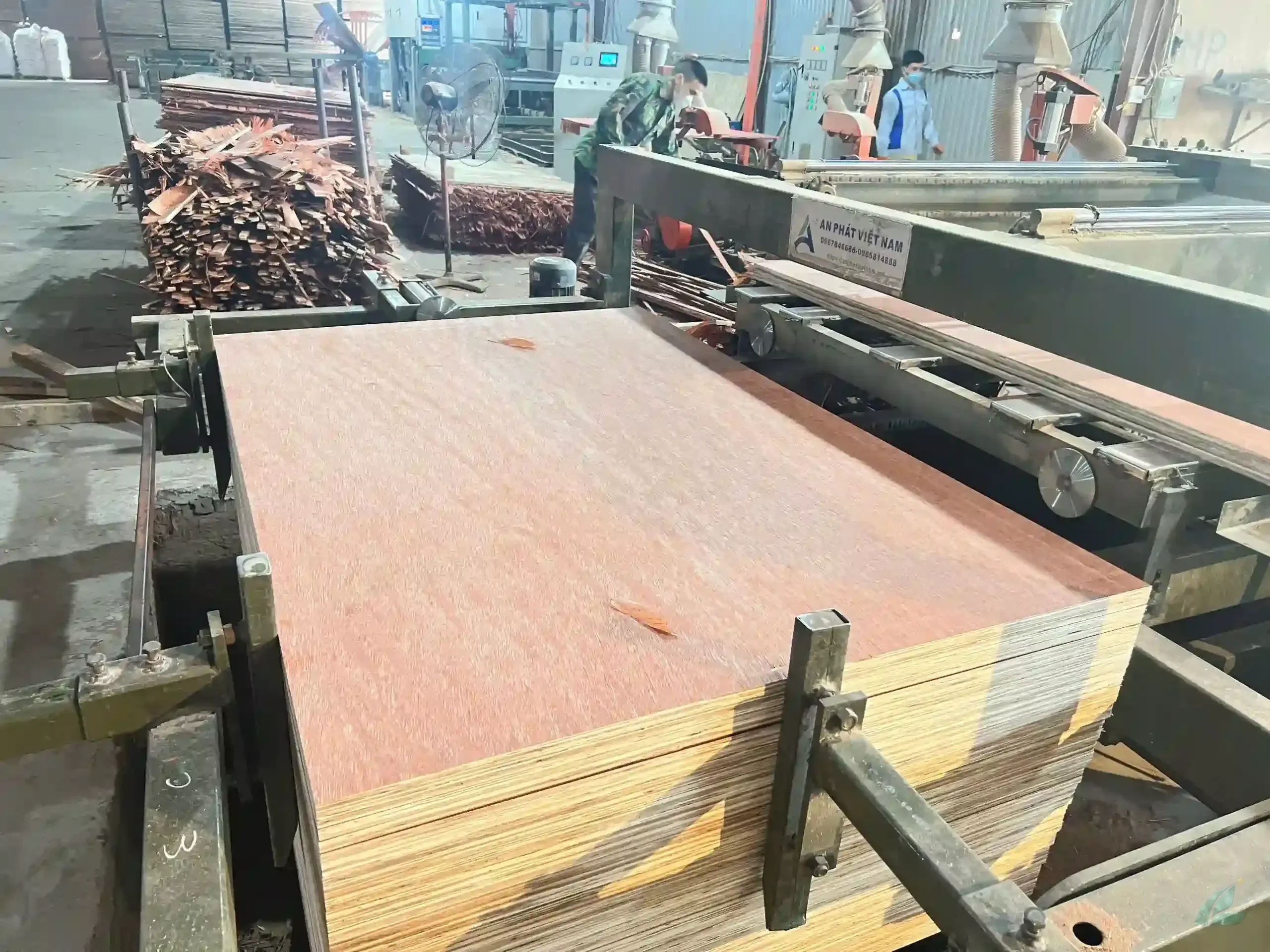
Understanding which grades different export markets actually buy helps set expectations before ordering.
India — A/B Standard
India is the largest importer of bintangor plywood from Vietnam (Mika Plywood sales data, 2025). The standard specification is A/B face with acacia or styrax core, E1 or E2 emission, melamine (MR) glue. Grade A/A is occasionally specified for premium furniture exports from India to the Gulf. Grade B/B serves the commercial interior and shopfitting segment.
BIS certification (IS 303) is mandatory for the Indian market. Mika Plywood maintains BIS-compliant production for bintangor grades. See Vietnam Plywood Export to India Buyer Guide for full compliance details.
Middle East — A/B Construction Fit-out
The Middle East specifies A/B bintangor for commercial fit-out and interior partitioning. Glue is typically MR (melamine). Emission standard E1 or E2 is accepted. Buyers in UAE, Saudi Arabia, and Kuwait generally source 9mm and 12mm bintangor A/B for wall and ceiling linings in commercial builds.
Southeast Asia & Korea — B/B Commercial
South Korea and Southeast Asian buyers use bintangor B/B for general commercial applications — shopfitting, furniture assembly where the face is always painted or covered. This is the most price-sensitive segment, and buyers compare closely with Chinese and Indonesian commercial plywood on price per CBM.
🔍 How to Verify Grade on Delivery
When bintangor plywood arrives at your warehouse, these four checks confirm the grade matches the order:
- Open-defect count: Run a palm across the face surface. Grade A should have no catches — no open knots, no ridges from unfilled patches.
- Patch uniformity: Grade B repairs should be flush, not raised or sunken. Repairs standing proud indicate poor sanding after patching.
- Edge inspection: Look at the panel edge. Through-splits that reach the core indicate below-spec material regardless of grade label.
- Bundle marking: Each bundle should carry a clear label showing species, face grade, thickness, glue type, and emission standard. If the label is absent or generic, ask for the factory test report.
For a complete pre-shipment QC process, see Plywood Pre-Shipment Inspection Guide.
Get Graded Samples Before Your First Order
📐 Bintangor Grade vs Core Species: What Affects Price More?
Face grade and core species are the two main levers on bintangor plywood cost. In practice, core species shifts the base price more than face grade.
| Core | Density | Pallets/40HC | Base Price Index |
|---|---|---|---|
| Acacia | ~580 kg/m³ | 16 | Lowest |
| Styrax | 480–500 kg/m³ | 18 | Mid (lighter, more CBM) |
| Eucalyptus | 650–750 kg/m³ | 15 | Highest |
Upgrading from B/B face to A/B adds roughly USD 5–10 per CBM. Switching from acacia core to styrax core typically adds USD 8–15 per CBM but gives you 2 extra pallets per container — improving freight efficiency. For most buyers, the styrax core upgrade delivers better ROI than the face grade upgrade when freight is the binding constraint.
For core selection details, see Plywood Core Types — Acacia vs Eucalyptus vs Styrax.
✅ Quick Specification Guide
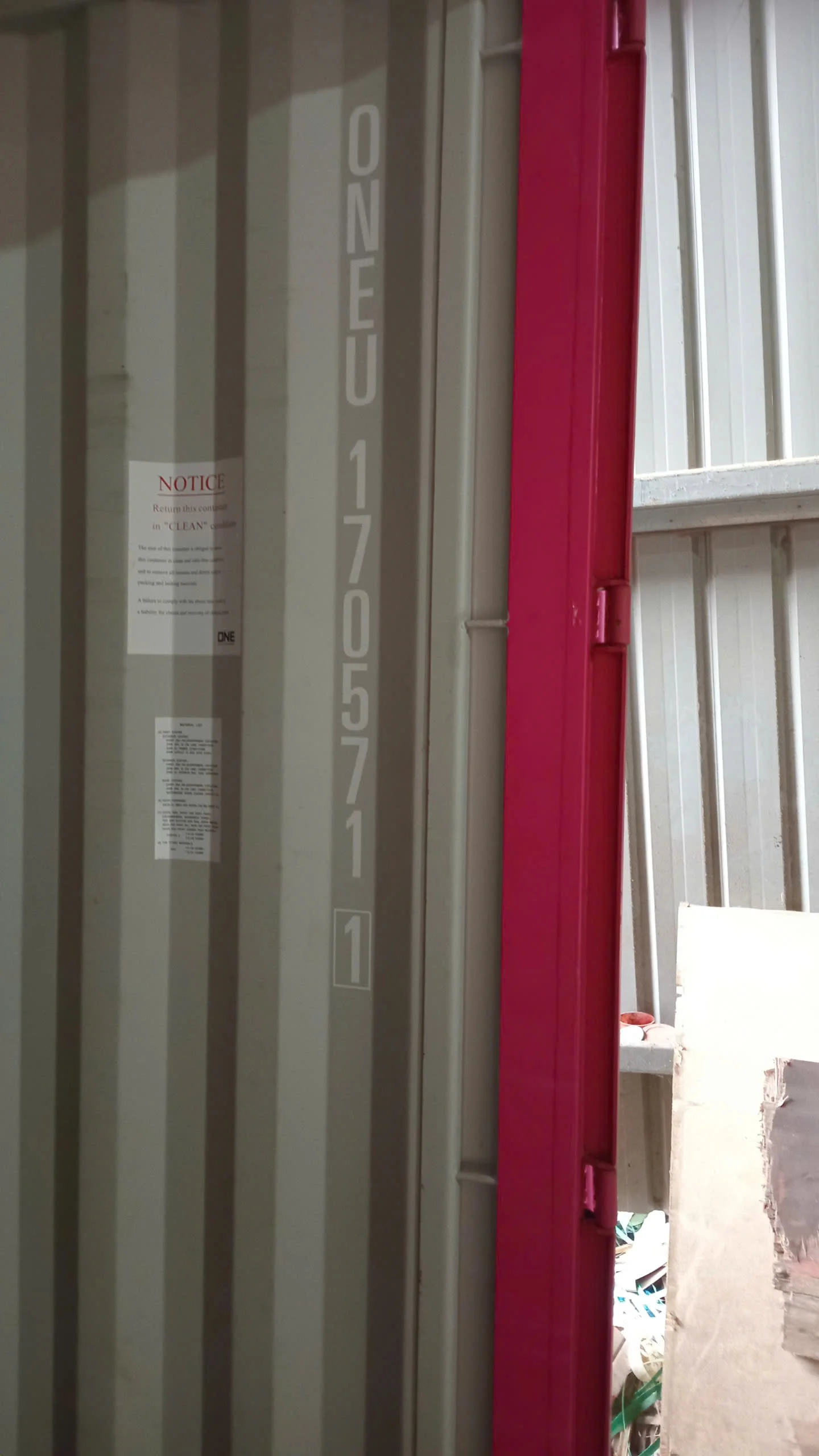
Choose grade based on how the surface will be used:
| Application | Recommended Grade | Glue | Emission |
|---|---|---|---|
| Painted furniture fronts | A/B | MR (Melamine) | E0 or E1 |
| Cabinet door panels (visible) | A/B or A/A | MR | E0 |
| Interior cabinet walls | B/B | MR | E1 |
| Commercial joinery (painted) | B/B | MR | E1 or E2 |
| Packaging, crates | B/C | MR | E2 |
| Shopfitting (back panels) | B/B | MR | E1 or E2 |
💡 Tip: For the Indian market, specify A/B + MR + E1 + BIS as a single bundle. This covers the most common furniture and commercial joinery requirements without over-specifying for premium grades you may not need.
The full face veneer grading system — including how birch D/E/F relates to the A/B scale — is covered in Plywood Face Grade Explained.
Related reading:
- Indian buyers can find more detail in our bintangor plywood for the Indian market buyer guide.
- For a broader comparison, see our face veneer grades A/B/C guide.
- See also top 10 bintangor plywood suppliers in Vietnam.
Disclosure: This article is published by Mika Plywood, a Vietnam-based plywood manufacturer and export operator. While we aim to provide objective industry guidance, readers should consider our perspective as a market participant when evaluating recommendations.
🔗 Related Resources
- Bintangor Plywood Vietnam — Product Specifications
- Plywood Face Veneer Types — Complete Buyer Guide
- Bintangor vs Okoume Plywood — Full Comparison
- Plywood Face Grade Explained — A/B vs D/E/F
📋 Conclusion
Bintangor Grade A delivers a clean, repair-free surface for visible furniture applications at a moderate premium over Grade B. Grade B is the practical choice for back panels, painted surfaces, and commercial applications where the surface is covered. Most commercial orders use A/B specification — one premium face, one budget back — which balances presentation and cost across the widest range of applications.
Mika Plywood supplies bintangor plywood in A/A, A/B, B/B, and B/C specifications from our commercial production facility, with full BIS and ISO 9001 certification for India-bound shipments. Mixed grades in a single 40HC container are accepted.
Request a Graded Bintangor Price Sheet
Frequently Asked Questions
What is the difference between Grade A and Grade B bintangor face?Grade A bintangor has no open defects — no splits, no open knotholes, no visible repairs. Small tight knots under ~5mm are acceptable. Grade B permits sound repaired knots, small patches, and minor color variation. Both grades are sanded. Grade A commands a 10–15% price premium per CBM and is specified for visible painted or laminated furniture surfaces. Grade B suits the back face of panels or applications that will be painted or covered.Can I mix Grade A and Grade B bintangor in one container?Yes. Mika Plywood accepts mixed-specification containers. A/B face and B/B face panels can be palletized separately within the same 40HC. Each bundle is clearly marked with species, grade, thickness, and core. This gives importers cost control — premium grade for showroom-facing panels, budget grade for internal structure or back panels — from one shipment.Is Grade A bintangor the same as birch Grade D?No. Bintangor uses the A/B grading system for tropical hardwoods. Birch plywood from Vietnam uses a completely different D/E/F grading scale, where D is the best grade available. The two systems are not interchangeable. Calling a birch panel 'Grade A' or a bintangor panel 'Grade D' is technically incorrect and creates ordering errors.What markets prefer Grade A bintangor face?India is the largest buyer of Grade A/B bintangor plywood from Vietnam — it is the standard specification for furniture and cabinet panels shipped to Indian market. Middle East construction-fit-out projects also specify A/B. Southeast Asian furniture factories use A/B for finished goods. Grade B/B (BB) is common for commercial joinery and shopfitting where the surface will be painted or covered.How thick is bintangor face veneer from Vietnamese factories?Bintangor face veneer thickness from Vietnamese production ranges from 0.2 to 0.4mm for standard export grades. This is thinner than older Russian or European standards. The veneer is rotary-peeled from bintangor logs, dried to 6–8% moisture, then sorted by grade before pressing onto the core layers.
Ready to order?
Request Graded Bintangor Samples

Written by
David
Export Project Leader
Content contributor at Vietnam Plywood.
On this page
- 📋 What Is Bintangor Face Veneer?
- 📊 Grade A vs Grade B: The Technical Differences
- 📌 Grade A Bintangor Face
- 📌 Grade B Bintangor Face
- 🔧 A/B vs B/B: The Most-Ordered Specification
- 💰 Price Gap: How Much Does Grade Cost?
- 📦 Market Preferences by Grade
- India — A/B Standard
- Middle East — A/B Construction Fit-out
- Southeast Asia & Korea — B/B Commercial
- 🔍 How to Verify Grade on Delivery
- 📐 Bintangor Grade vs Core Species: What Affects Price More?
- ✅ Quick Specification Guide
- 🔗 Related Resources
- 📋 Conclusion
On this page
- 📋 What Is Bintangor Face Veneer?
- 📊 Grade A vs Grade B: The Technical Differences
- 📌 Grade A Bintangor Face
- 📌 Grade B Bintangor Face
- 🔧 A/B vs B/B: The Most-Ordered Specification
- 💰 Price Gap: How Much Does Grade Cost?
- 📦 Market Preferences by Grade
- India — A/B Standard
- Middle East — A/B Construction Fit-out
- Southeast Asia & Korea — B/B Commercial
- 🔍 How to Verify Grade on Delivery
- 📐 Bintangor Grade vs Core Species: What Affects Price More?
- ✅ Quick Specification Guide
- 🔗 Related Resources
- 📋 Conclusion
Industry Newsletter
Stay Updated with
Plywood Industry Insights
Factory prices, spec guides, market trends and export tips — delivered weekly to B2B buyers and importers in 20+ countries.