Vietnam vs China plywood sourcing: FOB price gaps, quality specs, AD/CVD trade risk, and Indonesia compared. B2B importer guide for 2026.
Three countries supply 60%+ of global hardwood plywood exports. Buyers choosing between Vietnam, China, and Indonesia in 2026 face a more complex decision than five years ago — trade investigations, tightening certification requirements, and shifting price spreads have redrawn the competitive map.
This guide breaks down the real differences: FOB price gaps, quality specs by segment, certification reliability, and the trade risk each origin carries going into 2026.
🌍 Market Share: Where Each Country Stands
Vietnam’s plywood exports reached approximately USD 3.84 billion in wood products in 2025, with plywood a primary component (TradeInt, 2025). China leads global plywood trade at USD 5.3 billion (31% of global share), while Indonesia holds a reported USD 1.18 billion in plywood and veneer panels for the first eight months of 2025 alone (APKINDO, 2025).
Key Insight: Vietnam holds roughly 7.6% of global plywood export value but punches above its weight in certified product segments — FSC chain-of-custody, CARB P2, and EUDR-ready supply chains are more consistently developed in Vietnam than in either China or Indonesia.
Each origin serves distinct segments. Understanding where each country wins — and where it loses — is the starting point for any sourcing decision.
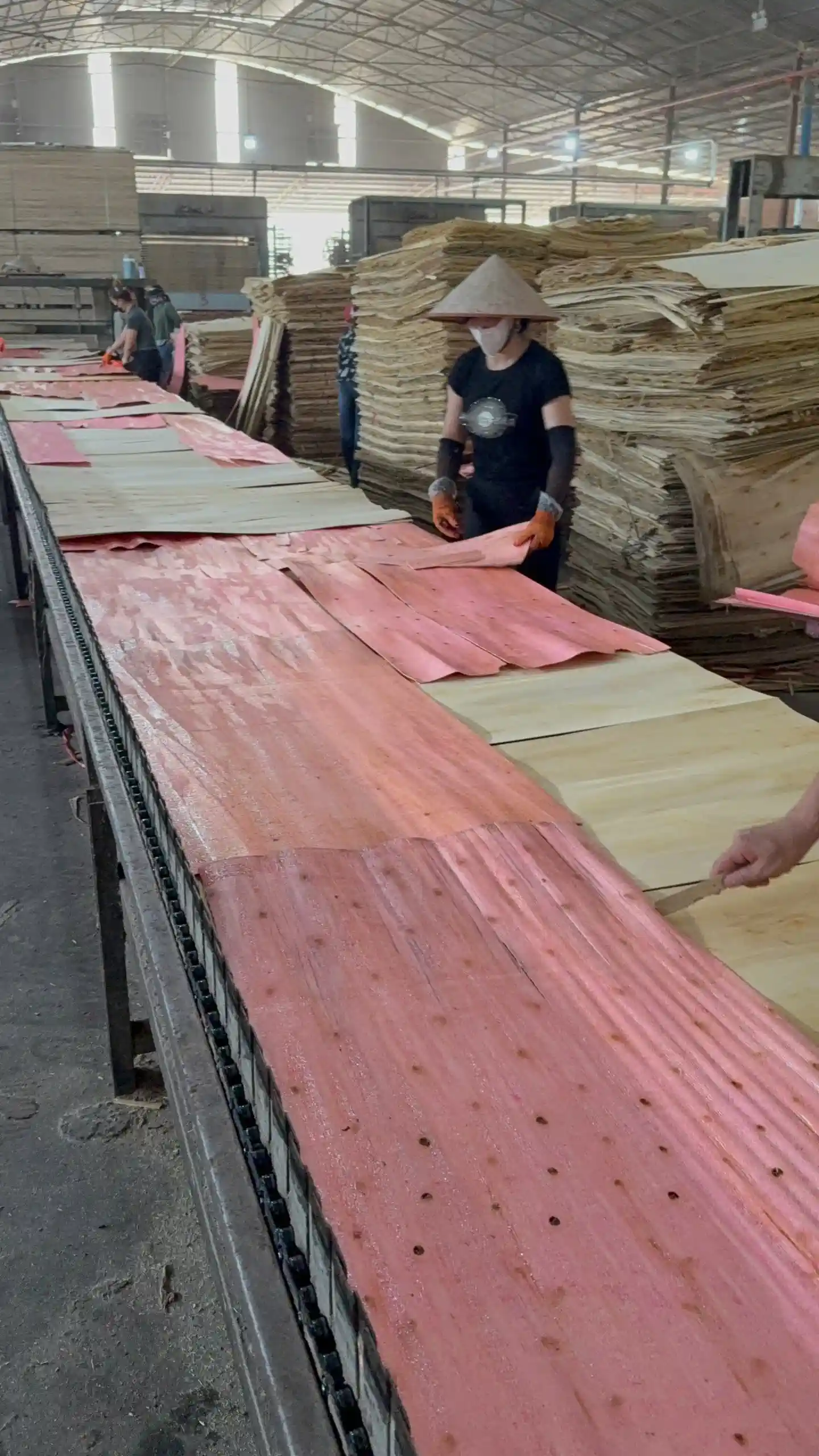
💰 Vietnam vs China plywood Sourcing: Price Benchmarks by Grade
Price is the first question buyers ask. It is also the most misleading metric without spec context.
| Product Grade | Vietnam FOB | China FOB | Indonesia FOB |
|---|---|---|---|
| Commercial bintangor 18mm | ~USD 290–320/CBM | ~USD 270–300/CBM | ~USD 300–330/CBM |
| Birch face E0 furniture 18mm | ~USD 420–480/CBM | ~USD 380–440/CBM | Not typical |
| Film-faced 18mm (reuse 15+) | ~USD 350–390/CBM | ~USD 310–360/CBM | ~USD 360–400/CBM |
| Packing grade 9mm | ~USD 230–260/CBM | ~USD 210–240/CBM | ~USD 240–270/CBM |
Mika Plywood production data, 2026. Indicative FOB Hai Phong / Shanghai / Surabaya. Spec parity assumed.
On equivalent specifications, China is 8–15% cheaper at FOB level. Vietnam is 5–10% cheaper than Indonesia for most grades.
The gap closes significantly once you account for:
- EU import duty: Chinese plywood faces substantially higher EU tariffs compared to Vietnamese product under EVFTA (EU-Vietnam Free Trade Agreement). EVFTA grants Vietnamese plywood preferential rates where Chinese product pays standard MFN duty.
- Anti-dumping exposure (US market): Both China and Vietnam face active AD/CVD investigations in the US (see Trade Risk section below). Chinese margins are historically far higher — with petitions alleging dumping margins up to 540.07% for China vs 152.41% for Vietnam (U.S. Department of Commerce, 2025).
- Certification cost absorption: FSC, CARB P2, and EUDR compliance add production cost that is built into Vietnamese prices — and not always built into Chinese quotes that arrive without these certifications.
Compare Vietnam plywood specs and get an FOB quote from Mika Plywood
🔬 Quality Comparison: Where Each Origin Wins
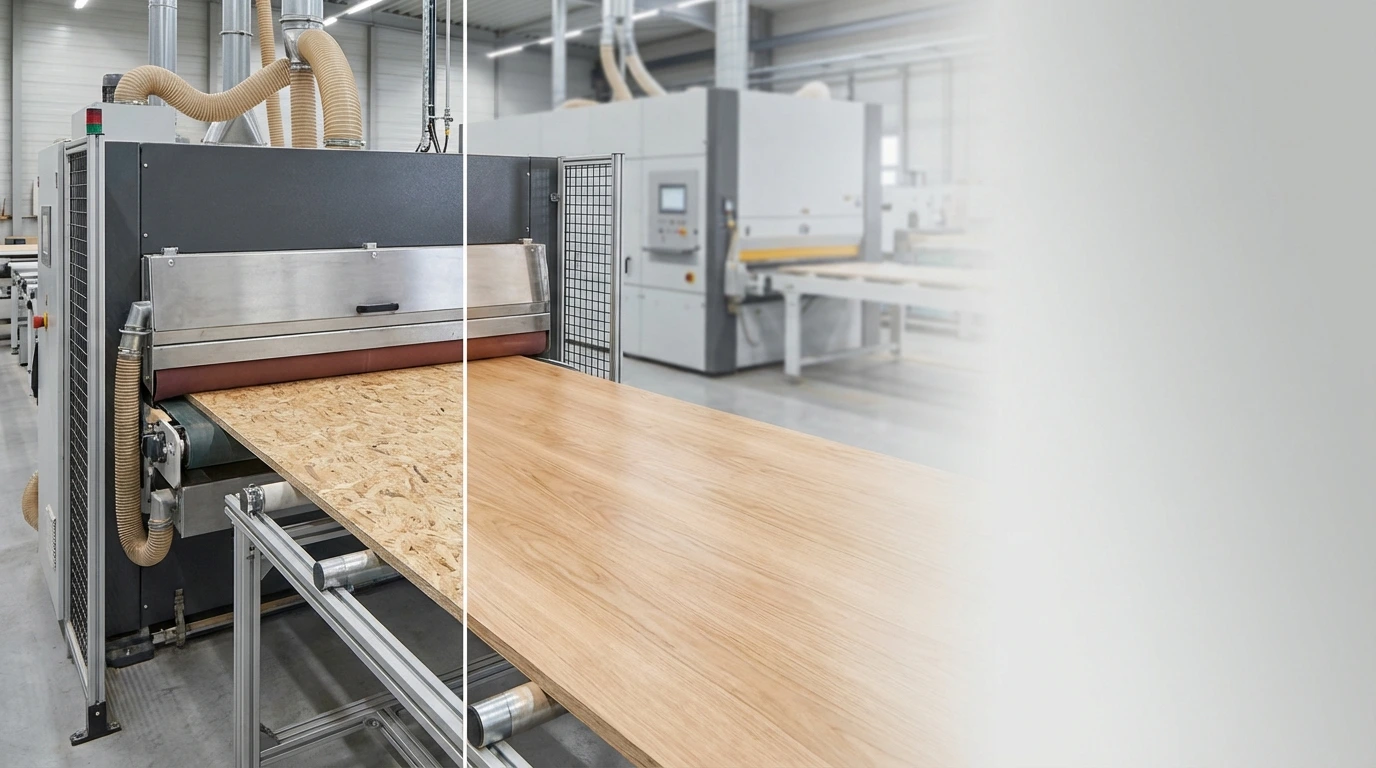
Vietnam Quality Strengths
Northern Vietnam — where 80%+ of exports originate — runs 4 distinct factory segments: premium furniture, commercial/packing, premium film-faced, and budget film-faced (see our Vietnam plywood factory types and industry segmentation guide).
Vietnam’s core species ecosystem is unique. Styrax (bồ đề) is available only in Northern Vietnam — a lightweight 480–500 kg/m³ hardwood that functions as a direct substitute for European birch core at significantly lower cost. Acacia (~580 kg/m³) and eucalyptus (650–750 kg/m³) complete the core portfolio, all from plantation-grown certified sources.
Key Vietnam quality markers for furniture-grade product:
- Full-stitched core construction (no gaps, no overlaps)
- E0 / CARB P2 emission standard as standard for export-grade
- FSC chain-of-custody from certified plantation forests
- Face veneer sanded to ±0.3mm thickness tolerance
China Quality Strengths
China’s scale means certain niche products remain difficult to source elsewhere at competitive cost: Baltic birch alternatives, decorative hardwood veneers, and specialist overlay products. Large Chinese mills with export track records have demonstrated consistent CARB P2 compliance.
China’s weakness is the quality spread. The same product name — “birch plywood E0” — can span a 40% price range because of core construction differences that buyers without factory inspection experience cannot detect from a sample or quote alone.
“The single most common issue we see with buyers switching from China is they selected a supplier on price, received good samples, then experienced quality drift on production orders — lighter core, loose-lay instead of stitched. With our on-site QC team embedded at each facility, we catch that before the container loads.” — Jay, International Sales Manager, Mika Plywood
Indonesia Quality Strengths
Indonesia leads in tropical hardwood face species. Meranti, keruing, and other APKINDO-certified tropical species give Indonesian product a premium position in markets that demand authentic tropical hardwood grain. Indonesian plywood also carries SVLK (timber legality verification) as a well-established system.
Indonesia’s comparative disadvantage is breadth: the product range is narrower than Vietnam, and cost competitiveness for furniture and film-faced grades is weaker.
📋 Certification Reliability by Origin
Certification is not binary — it is about ecosystem depth and third-party audit rigor.
| Certification | Vietnam | China | Indonesia |
|---|---|---|---|
| FSC Chain of Custody | Strong — 500K+ ha FSC-certified (FSC, 2025) | Available but inconsistent | Moderate — improving |
| CARB P2 | Strong — core export requirement for US | Available, audit failures reported | Limited penetration |
| CE (EN 636) | Growing — mandatory for EU construction | Limited | Limited |
| EUDR (from 2025) | On track — plantation traceability | High-risk (legality traceability gaps) | Moderate |
| SVLK (Indonesia timber legality) | N/A | N/A | Strong |
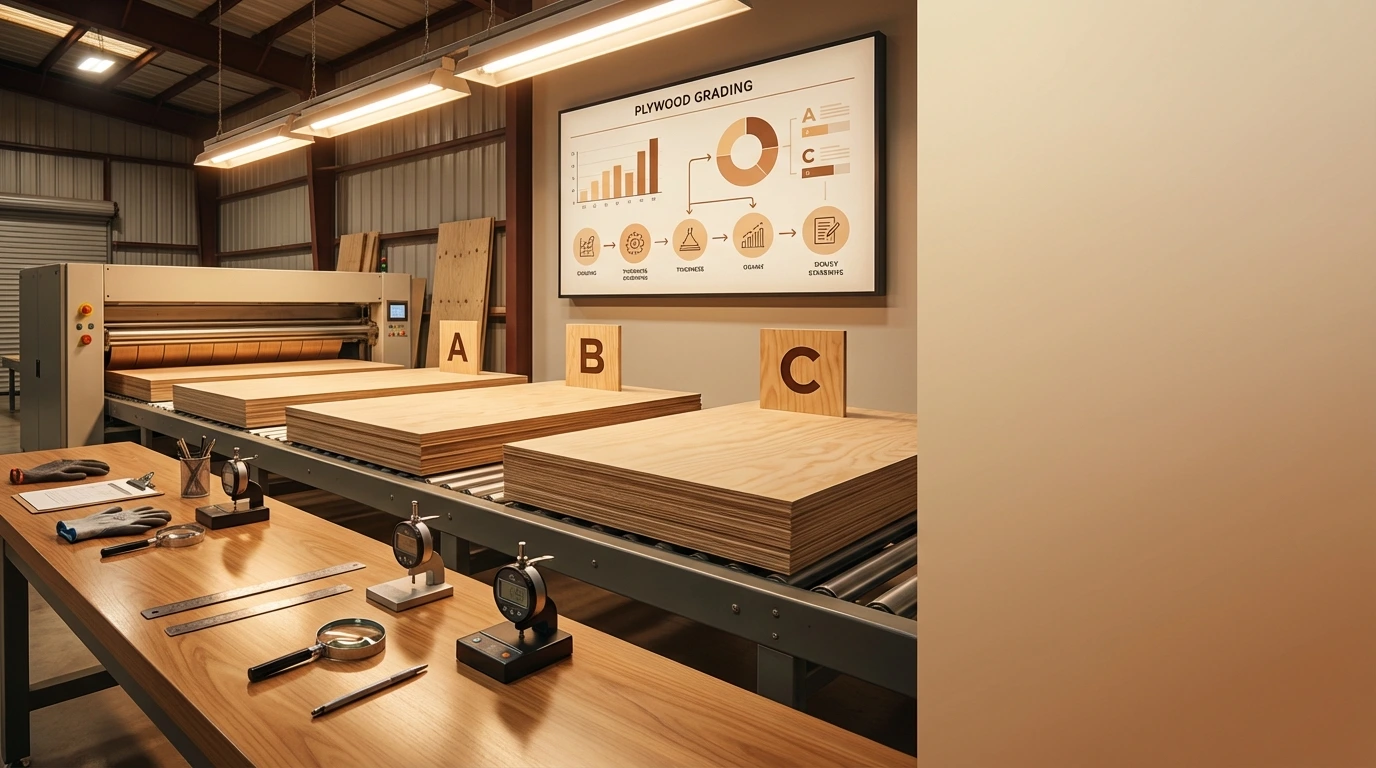
For EU-bound product, Vietnam holds a structural advantage: EVFTA preferential tariffs + EUDR compliance capability + FSC supply chains combine to make Vietnam the lowest-risk certified option for European importers.
For US-bound product, all three origins currently face trade law uncertainty. Read the section below before committing.
Understand which certifications your market requires — full guide
⚠️ Trade Risk 2026: The AD/CVD Factor
This is the issue that changed the sourcing calculus in late 2025.
In June 2025, the U.S. Department of Commerce initiated antidumping (AD) and countervailing duty (CVD) investigations on hardwood and decorative plywood from China, Indonesia, and Vietnam (Federal Register, June 2025). The USITC made an affirmative preliminary determination in July 2025, continuing the investigations.
Alleged dumping margins at petition filing:
- China: up to 540.07%
- Vietnam: up to 152.41%
- Indonesia: up to 84.94%
Final Commerce Department determinations are expected in mid-2026. Until final orders are published, US importers face bonding requirements and potential retroactive duty liability on entries already made.
What this means by origin:
- China: Already subject to existing AD/CVD orders on hardwood plywood (from prior cases). The new investigation compounds existing exposure. Routing through Vietnam with Chinese inputs also carries risk — CBP has found certain Vietnamese shipments subject to Chinese orders (Woodworking Network, 2025).
- Vietnam: Under active investigation for the first time. Final margins for compliant Vietnamese producers may be lower than petition allegations once Commerce completes its review, but the uncertainty is real.
- Indonesia: Lowest alleged margin (84.94%) among the three. Potentially the lowest-risk origin for US hardwood decorative plywood while investigations continue.
⚠️ Important: AD/CVD determinations change. Always consult a US customs attorney before importing hardwood decorative plywood from any of these three origins. This article reflects the situation as of February 2026 and is not legal advice.
For non-US markets — EU, India, Korea, Australia — Vietnam maintains its trade risk advantage. EU tariff preference (EVFTA), growing EUDR certification pipeline, and no equivalent AD/CVD investigations make Vietnam the most stable origin for these markets in 2026.
🚢 Logistics & Lead Time Comparison
Lead time and freight costs affect the real landed price.
| Factor | Vietnam | China | Indonesia |
|---|---|---|---|
| Production lead time | 15–20 days | 15–25 days | 20–30 days |
| Port of export | Hai Phong | Shanghai, Qingdao, Ningbo | Surabaya, Tanjung Priok |
| 40HC capacity (18mm birch/furniture) | 18 pallets / ~53 CBM (styrax core) | Similar range | Similar range |
| Freight to Europe | ~USD 1,800–2,200/40HC | ~USD 2,000–2,400/40HC | ~USD 2,000–2,400/40HC |
| Freight to India | ~USD 600–900/40HC | ~USD 1,000–1,400/40HC | ~USD 800–1,100/40HC |
Indicative H1 2026 market rates. Freight varies significantly by market conditions.
Vietnam’s proximity to India gives it a freight cost advantage of USD 400–500 per container, a material factor for price-sensitive B2B buyers in South Asia.
For a detailed breakdown of how container packing efficiency affects your landed cost, see the plywood container packing calculation guide for 40HC.
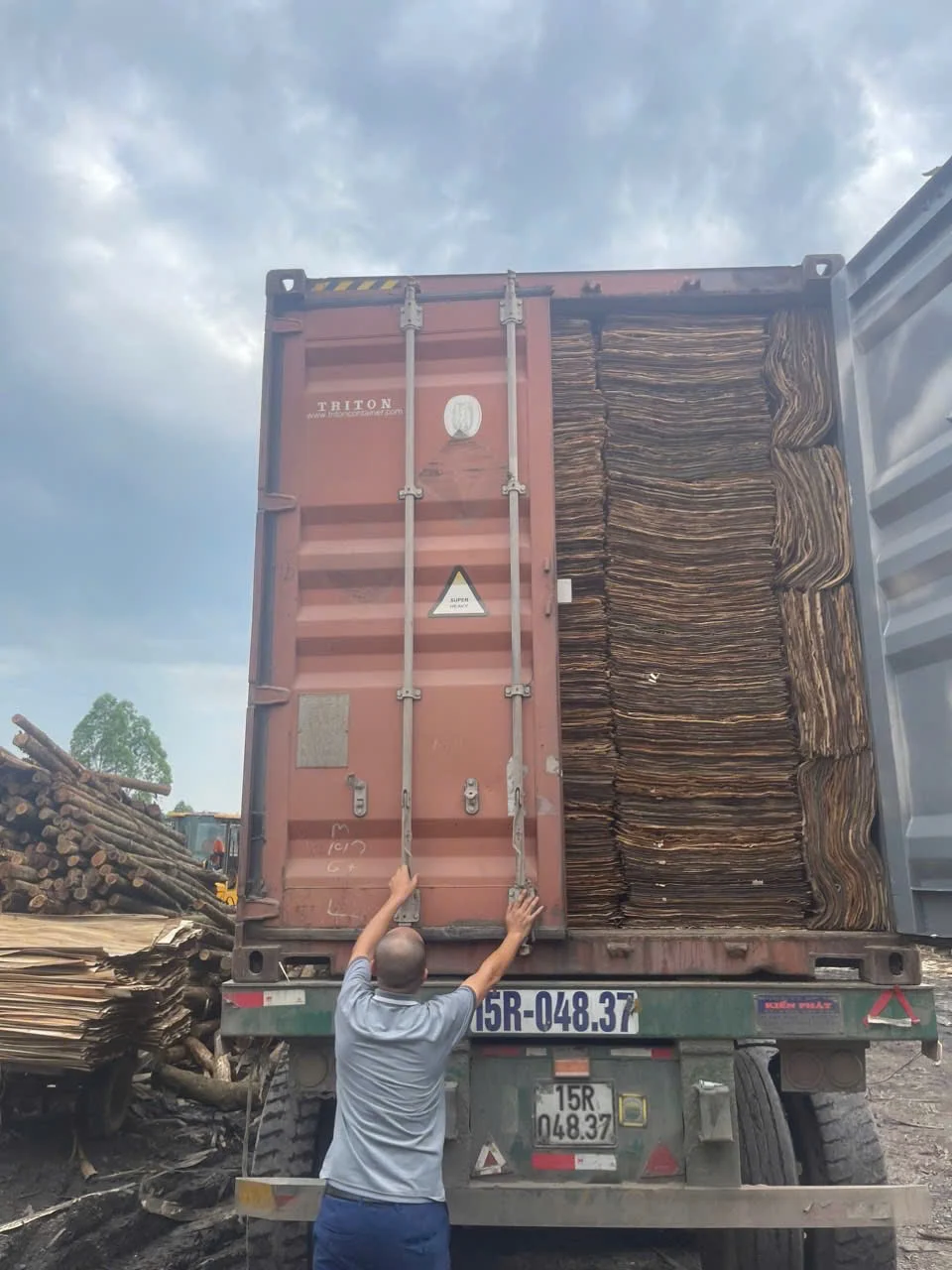
🏭 Choosing Your Sourcing Strategy for 2026
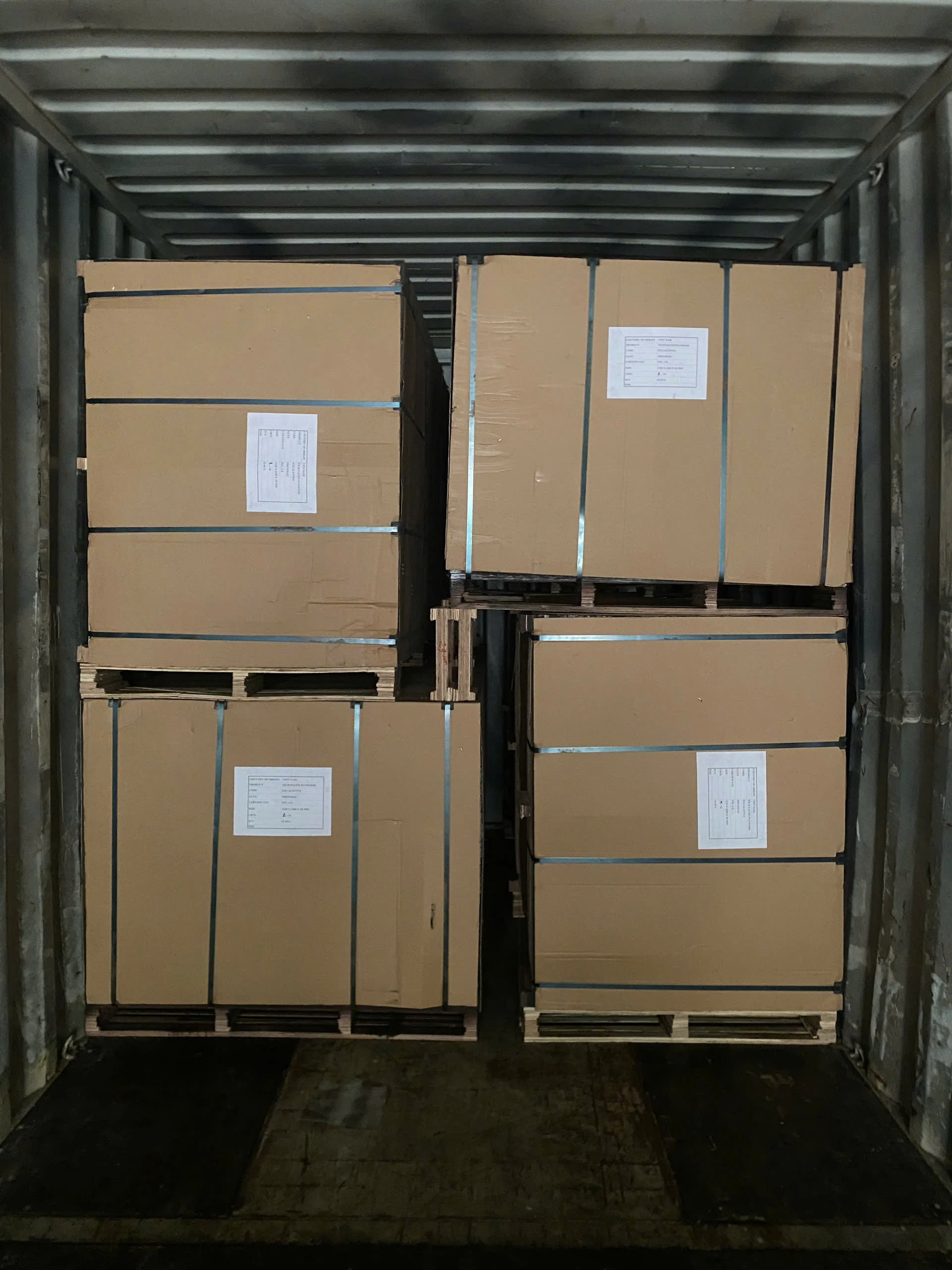
No single origin wins across all categories. A practical sourcing matrix for B2B buyers:
Source from Vietnam when:
- Target markets are EU, Korea, Australia, India
- You need FSC + CARB P2 + CE + EUDR-ready product
- Product type is furniture-grade, film-faced construction, or anti-slip
- You want the widest face veneer and core species selection
- Price competitiveness vs China is acceptable (5–15% premium at FOB)
Source from China when:
- You need very specific decorative veneer species or engineered products
- Target market is not EU or US (tariff exposure lower)
- You have a verified, long-term supplier with documented QC track record
- NOT recommended for US hardwood decorative plywood until AD/CVD resolves
Source from Indonesia when:
- You need authentic tropical hardwood face species (meranti, keruing)
- Target market is Japan (Indonesian RV/structural plywood has strong reputation)
- US hardwood decorative plywood with lower AD/CVD risk profile preferred
- SVLK timber legality is a market requirement
For buyers who want maximum flexibility, a dual-origin strategy — Vietnam for certified grades, Indonesia as backup for specific tropical species — reduces supply chain concentration risk without sacrificing compliance capability.
Understanding the supplier structure behind each origin also matters. See Vietnam plywood supplier types: trading companies vs factory-direct exporters for a breakdown of who you are actually buying from.
Get a specification-matched quote from Mika Plywood — factory-direct, no VAT
📌 Conclusion: Vietnam Holds the Certification Advantage
The raw FOB price gap between Vietnam and China has narrowed. What has widened is the certification and compliance gap — and, for US buyers specifically, the trade risk gap now runs in both directions.
For most B2B importers outside the US, Vietnam in 2026 offers the best combination of: certified supply chain depth, competitive pricing, breadth of product specification, and lowest trade-law risk. Indonesia is the specialist choice for premium tropical hardwood species. China remains viable for non-tariff-exposed markets with verified supplier relationships.
The right sourcing decision depends on your market, your product mix, and your risk tolerance. Start with a clear specification sheet — then compare like-for-like.
Disclosure: This article is published by Mika Plywood, a Vietnam-based plywood manufacturer and export operator. While we aim to provide objective industry guidance, readers should consider our perspective as a market participant when evaluating recommendations.
Request a factory-direct quotation from Mika Plywood — a certified plywood exporter based in Vietnam
Frequently Asked Questions
Is Vietnam plywood cheaper than Chinese plywood?On a like-for-like spec, Vietnamese FOB prices are typically 8–15% below Chinese equivalents. The gap widens further when you add China's EU tariff exposure and higher VAT structure. However, spec differences (glue, core, construction method) often explain apparent price differences rather than pure origin.What are the AD/CVD risks for US buyers sourcing from Vietnam in 2026?The U.S. Department of Commerce initiated antidumping and countervailing duty investigations on Vietnamese hardwood plywood in June 2025, with preliminary margins alleged at up to 152.41%. Final determinations are expected in mid-2026. US buyers should consult a customs attorney and consider bonding requirements before committing to large volumes.How does Indonesian plywood compare to Vietnamese plywood?Indonesian plywood has a stronger reputation for meranti and tropical hardwood species, with SVLK legal timber certification well established. Vietnam dominates on breadth of spec options (face veneer variety, core species), FSC chain of custody, and price competitiveness. For premium tropical face species, Indonesia leads; for furniture-grade and film-faced at competitive price, Vietnam leads.Does Chinese plywood pass FSC and CARB P2 requirements?Some Chinese mills hold FSC and CARB P2 certification, but compliance has historically been inconsistent. Third-party lab audits of Chinese plywood in EU markets have found formaldehyde emission failures at higher rates than Vietnamese equivalents. Vietnam's certification ecosystem is tighter due to EU export dependency.What is the best sourcing strategy for 2026 given trade risks?Diversify origin: Vietnam for FSC furniture and film-faced grades (EU/Korea/Australia markets), Indonesia for meranti-face tropical products, China only where tariff exposure is manageable. For US-bound hardwood decorative plywood, consult a trade attorney before any new contracts until AD/CVD final determinations are published.
Ready to order?
Get a factory-direct price comparison from Mika Plywood

Written by
Jay
International Sales Manager
Content contributor at Vietnam Plywood.
On this page
- 🌍 Market Share: Where Each Country Stands
- 💰 Vietnam vs China plywood Sourcing: Price Benchmarks by Grade
- 🔬 Quality Comparison: Where Each Origin Wins
- Vietnam Quality Strengths
- China Quality Strengths
- Indonesia Quality Strengths
- 📋 Certification Reliability by Origin
- ⚠️ Trade Risk 2026: The AD/CVD Factor
- 🚢 Logistics & Lead Time Comparison
- 🏭 Choosing Your Sourcing Strategy for 2026
- 📌 Conclusion: Vietnam Holds the Certification Advantage
On this page
- 🌍 Market Share: Where Each Country Stands
- 💰 Vietnam vs China plywood Sourcing: Price Benchmarks by Grade
- 🔬 Quality Comparison: Where Each Origin Wins
- Vietnam Quality Strengths
- China Quality Strengths
- Indonesia Quality Strengths
- 📋 Certification Reliability by Origin
- ⚠️ Trade Risk 2026: The AD/CVD Factor
- 🚢 Logistics & Lead Time Comparison
- 🏭 Choosing Your Sourcing Strategy for 2026
- 📌 Conclusion: Vietnam Holds the Certification Advantage
Industry Newsletter
Stay Updated with
Plywood Industry Insights
Factory prices, spec guides, market trends and export tips — delivered weekly to B2B buyers and importers in 20+ countries.