
Plywood sizes and thickness from Vietnam: 1220×2440 vs 1250×2500, thickness 3-40mm, ply count, tolerance, weight, and market-specific size requirements.
When an international buyer requests a plywood quotation in 2026, the first two questions are always the same: what plywood sizes and thickness do you need? These two parameters determine everything that follows — how many sheets fit on a pallet, how many pallets fit in a 40HC container, what the shipment weighs, what freight costs, and whether the plywood performs correctly in the buyer’s application. Getting sizes and thickness wrong at the specification stage cascades into production errors, container loading inefficiency, and avoidable cost.
This guide provides factory-level specifications for plywood sizes and thickness as manufactured in Vietnam. Every number in this article comes from verified 2026 production data — standard sizes, thickness steps, tolerance limits, ply count by thickness, weight per sheet by core species, and container loading calculations. Use this as your reference when specifying plywood dimensions for any application.
⚠️ Note: All specifications in this guide are based on verified Vietnamese factory production data. We do not fabricate technical specifications. Density values are core-species dependent. Weight calculations use actual measured densities, not marketing estimates.
“Buyers who specify plywood sizes and thickness correctly on the first inquiry receive accurate quotes within 12 hours. The most common delay is missing the core species — without it, we cannot give you weight or container loading numbers.” — Ms. Jay Pham, International Sales Manager, Mika Plywood
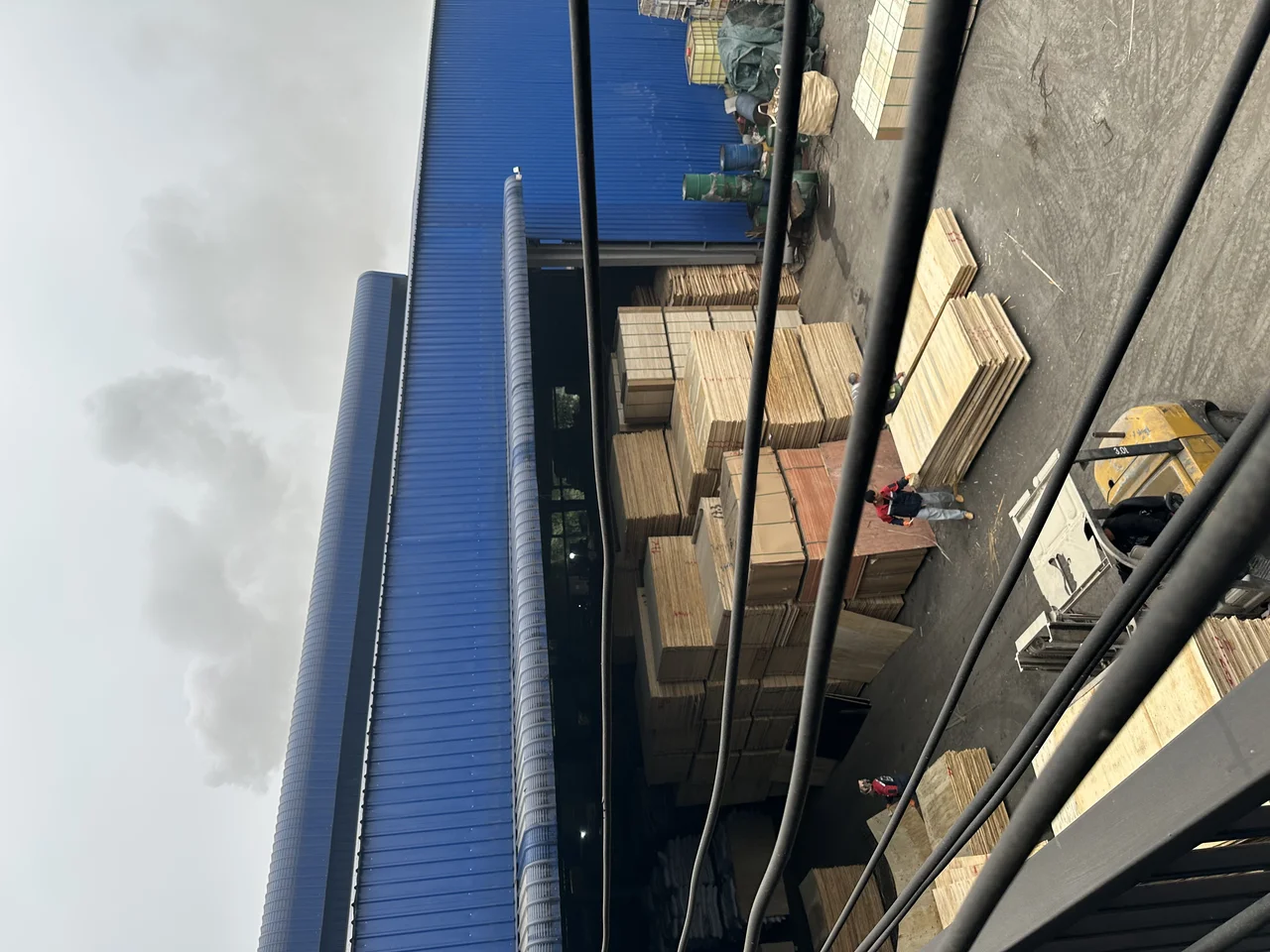
📐 Standard Plywood Sheet Sizes
Two sheet sizes account for the vast majority of plywood production in Vietnam and global trade. Understanding why both exist — and which one to specify — directly affects your procurement efficiency.
1220 x 2440 mm
The 1220 x 2440 mm sheet is the most widely produced and traded plywood size in the world. Originating from the imperial measurement system (4 feet by 8 feet), this format is the default specification across North America, India, the Middle East, Southeast Asia, Africa, and Latin America.
For international buyers, this size integrates with standard construction grids (4-foot module spacing for stud walls, ceiling panels, and subfloor layouts), standard pallet dimensions, and standard container loading configurations. When you request a quotation without specifying a size, the factory assumes 1220 x 2440 mm.
1250 x 2500 mm — The Metric Standard
The 1250 x 2500 mm sheet serves markets that operate on metric dimensions — primarily Europe (Germany, France, Spain, Poland, Netherlands), Korea, and Japan. This sheet is 30mm wider and 60mm longer than the 4×8 format, producing approximately 5% more panel area per sheet.
For European furniture factories, this size eliminates the waste that occurs when cutting 1220 x 2440 mm sheets to metric production dimensions. European formwork systems, cabinet carcass dimensions, and building board specifications are metric-native — ordering 1250 x 2500 mm avoids conversion losses.
Size Comparison Table
| Specification | 1220 x 2440 mm | 1250 x 2500 mm |
|---|---|---|
| Imperial equivalent | 4 x 8 feet | N/A (metric) |
| Sheet area | 2.977 m² | 3.125 m² |
| CBM per sheet at 18mm | 0.05358 CBM | 0.05625 CBM |
| Primary markets | US, India, UAE, SE Asia, Africa | EU, Korea, Japan |
| Pallets per 40HC | 18 (styrax) / 16 (acacia) / 15 (eucalyptus) | 18 (styrax) / 16 (acacia) / 15 (eucalyptus) |
| CBM per 40HC (styrax, 18mm) | ~53 CBM | ~55.5 CBM |
| Container payload | Identical pallet count, lower CBM | Identical pallet count, higher CBM |
⚠️ Key point: Both sizes load the same number of pallets per 40HC container. The 1250 x 2500 mm format produces more CBM per container because each sheet has a larger area — not because more sheets or pallets fit in the container. This distinction matters when calculating freight cost per CBM.
Need a quotation for specific plywood sizes and thickness? Contact us — factory-direct response within 12 hours. Specify your size, thickness, face veneer, and core species for an accurate FOB quote.
Disclosure: This article is published by Mika Plywood, a Vietnam-based plywood manufacturer and export operator. While we aim to provide objective industry guidance, readers should consider our perspective as a market participant when evaluating recommendations.
📏 Additional and Custom Plywood Sizes
Beyond the two primary formats, Vietnamese factories manufacture several secondary sizes for specific applications.
“Mika Plywood achieves ±0.2mm thickness tolerance for furniture-grade panels — the industry standard in Vietnam is ±0.3–0.5mm. That precision comes from calibrated sanding lines and consistent core veneer thickness, not from post-production sorting.” — David, Export Project Leader, Mika Plywood
| Size (mm) | Size (ft) | Primary Application |
|---|---|---|
| 1220 x 2440 | 4 x 8 | Universal — furniture, construction, packing, formwork |
| 1250 x 2500 | Metric | European furniture, Korean construction, metric markets |
| 1220 x 2135 | 4 x 7 | Construction panels, reduced-height formwork modules |
| 1220 x 1830 | 4 x 6 | Packing plywood — crate panels, pallet tops |
| 915 x 2440 | 3 x 8 | Narrow construction panels, shelving, partitions |
| 915 x 2135 | 3 x 7 | Compact construction, secondary panels |
| 915 x 1830 | 3 x 6 | Small crates, agricultural packaging, produce boxes |
Custom cutting is available with the same minimum order of one 40HC container. Buyers with specific crate templates, pallet designs, or non-standard construction modules can provide a cut list. The production team optimizes the cutting layout from standard parent sheets to minimize waste and maximize usable pieces per container.
For packing plywood specifically, the 1220 x 1830 mm and 915 x 1830 mm formats are popular because they match common pallet and crate dimensions directly — reducing the buyer’s need for secondary cutting at their facility.
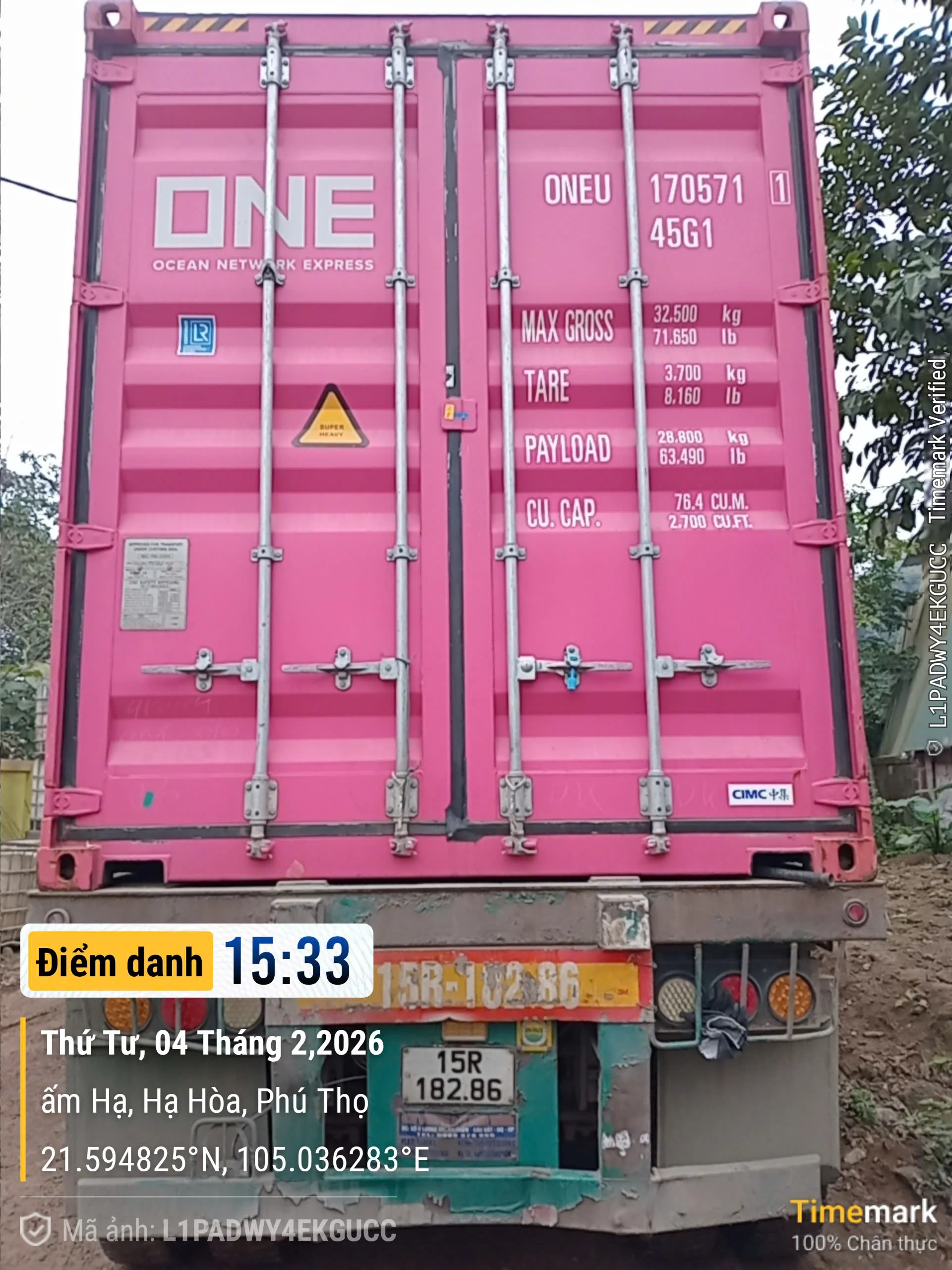
📊 Thickness Range and Common Steps
Vietnamese factories manufacture plywood across a thickness range of 3 mm to 40 mm. Within this range, specific thicknesses are standardized because they correspond to the most common applications in furniture manufacturing, construction, and industrial packaging.
Standard Thickness Steps
| Thickness (mm) | Common Application | Typical Face Veneer Types |
|---|---|---|
| 3 | Backing panels, drawer bottoms, light packaging | Bintangor, poplar, pine |
| 5 | Cabinet backs, partition infill, light furniture | Bintangor, okoume, EV |
| 6 | Flooring underlayment, partition panels | Eucalyptus, bintangor |
| 9 | Furniture shelves, cabinet panels, wall paneling | Birch, okoume, EV, bintangor |
| 12 | Cabinet carcass, formwork, structural furniture | All face types |
| 15 | Heavy furniture, slab formwork, subflooring | All face types |
| 18 | Table tops, film faced formwork, truck flooring | Film faced, birch, gurjan |
| 21 | Column formwork, heavy-duty industrial panels | Film faced, anti-slip |
| 25 | Structural beams, heavy load platforms | Matt, eucalyptus |
| 28 | Industrial flooring, specialized structural panels | Matt, eucalyptus |
| 30 | Maximum standard thickness — structural applications | Matt, eucalyptus |
18mm is the most commonly ordered single thickness across all plywood types and markets. It represents the optimal balance between structural strength, weight, container loading efficiency, and cost. For buyers ordering their first container of plywood from Vietnam, 18mm is the standard starting point.
📌 Important: Thickness between standard steps (e.g., 4mm, 7mm, 8mm, 10mm, 14mm, 16mm, 20mm) can be manufactured on request. Non-standard thicknesses require minimum container volume and may carry a production scheduling premium. Confirm availability with your supplier before ordering.
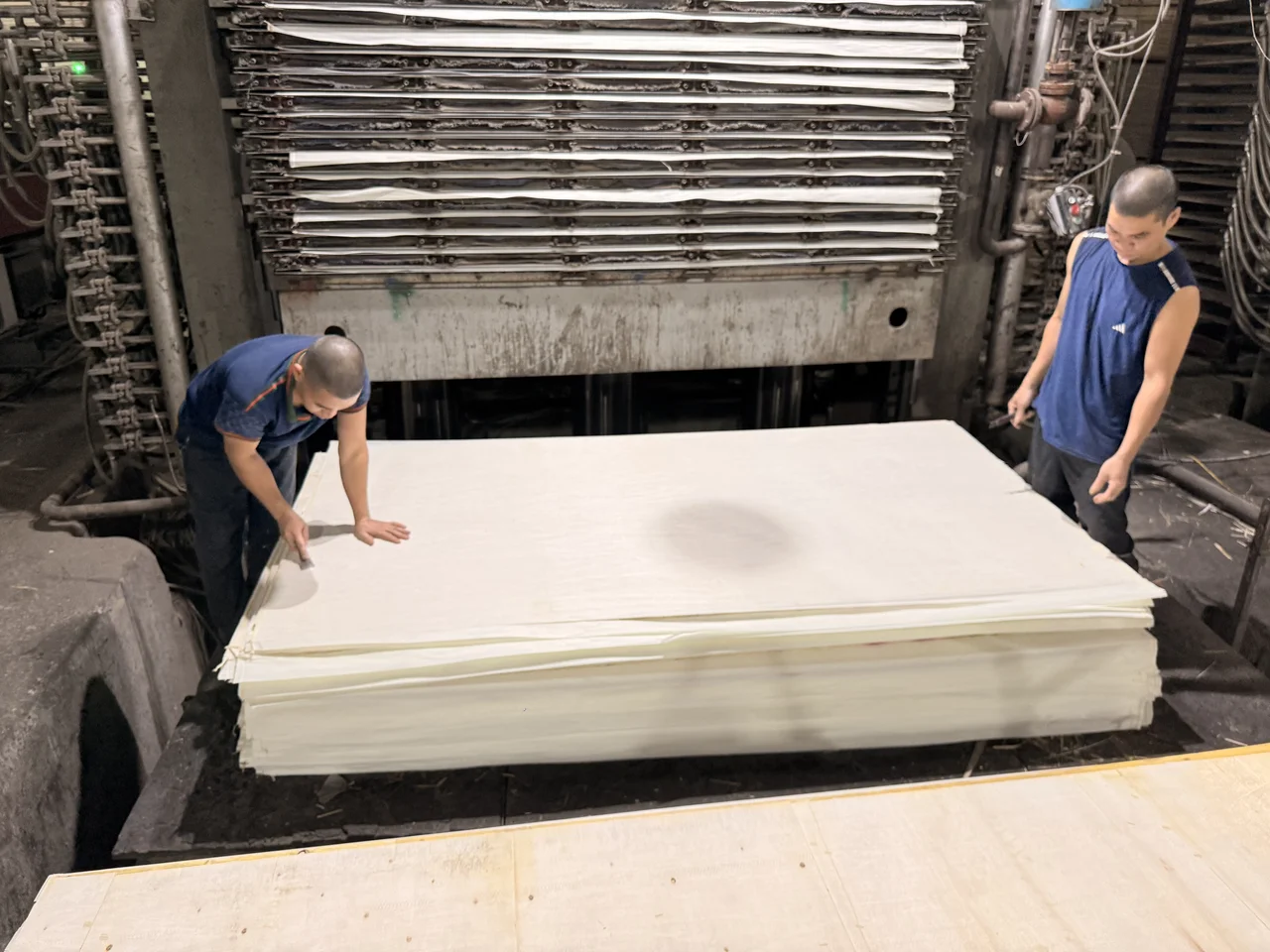
🔧 Ply Count by Thickness
Plywood is constructed from an odd number of cross-laminated veneer layers (plies). More plies at a given thickness means thinner individual veneers — which improves dimensional stability, reduces warping tendency, and creates a more balanced panel.
Case study — custom sizing for self-laminating buyers: A manufacturer with in-house laminating equipment needed core panels cut to 1240x2460mm instead of the standard 1220x2440mm. The extra +20mm on each dimension provides trimming allowance after the buyer applies their own face veneer. Mika Plywood produced the custom size, saving the buyer the cost of outsourced lamination in Vietnam while maintaining their preferred face veneer brand and process.
The ply count depends on both the finished panel thickness and the core veneer thickness used during layup. Standard core veneer thickness ranges from 1.5 mm to 1.7 mm per ply.
Ply Count Reference Table
| Panel Thickness (mm) | Typical Ply Count | Core Veneer Thickness (mm) | Notes |
|---|---|---|---|
| 3 | 3 | ~1.0 | Thin panel — face/back + 1 core ply |
| 5 | 3–5 | 1.2–1.5 | 3-ply for economy, 5-ply for better stability |
| 6 | 5 | ~1.2 | Standard furniture backing thickness |
| 9 | 7 | ~1.3 | Good cabinet panel construction |
| 12 | 9 | ~1.3–1.5 | Standard cabinet carcass, light formwork |
| 15 | 11 | ~1.4 | Heavy furniture, slab formwork |
| 18 | 13 | ~1.4–1.5 | Most-ordered thickness — formwork, furniture, industrial |
| 21 | 15 | ~1.4 | Column formwork, heavy structural |
| 25 | 17 | ~1.5 | Structural applications |
| 28 | 19 | ~1.5 | Heavy-duty industrial |
| 30 | 21 | ~1.4–1.5 | Maximum standard ply count |
Why ply count matters for buyers:
- Furniture applications: Higher ply count at a given thickness produces panels with better screw-holding at panel edges and less tendency to warp when exposed to humidity variation. A 12mm 9-ply panel outperforms a 12mm 7-ply panel in edge screw retention.
- Formwork applications: Consistent ply count means consistent load distribution across the panel face. Uneven ply thickness creates weak zones that cause deflection under concrete load.
- CNC routing: Panels with consistent ply thickness route cleaner because the cutting tool encounters uniform material density across the panel cross-section. Inconsistent plies create chatter and tear-out.
For detailed information on core veneer species and their effect on panel properties, see the plywood core types guide.
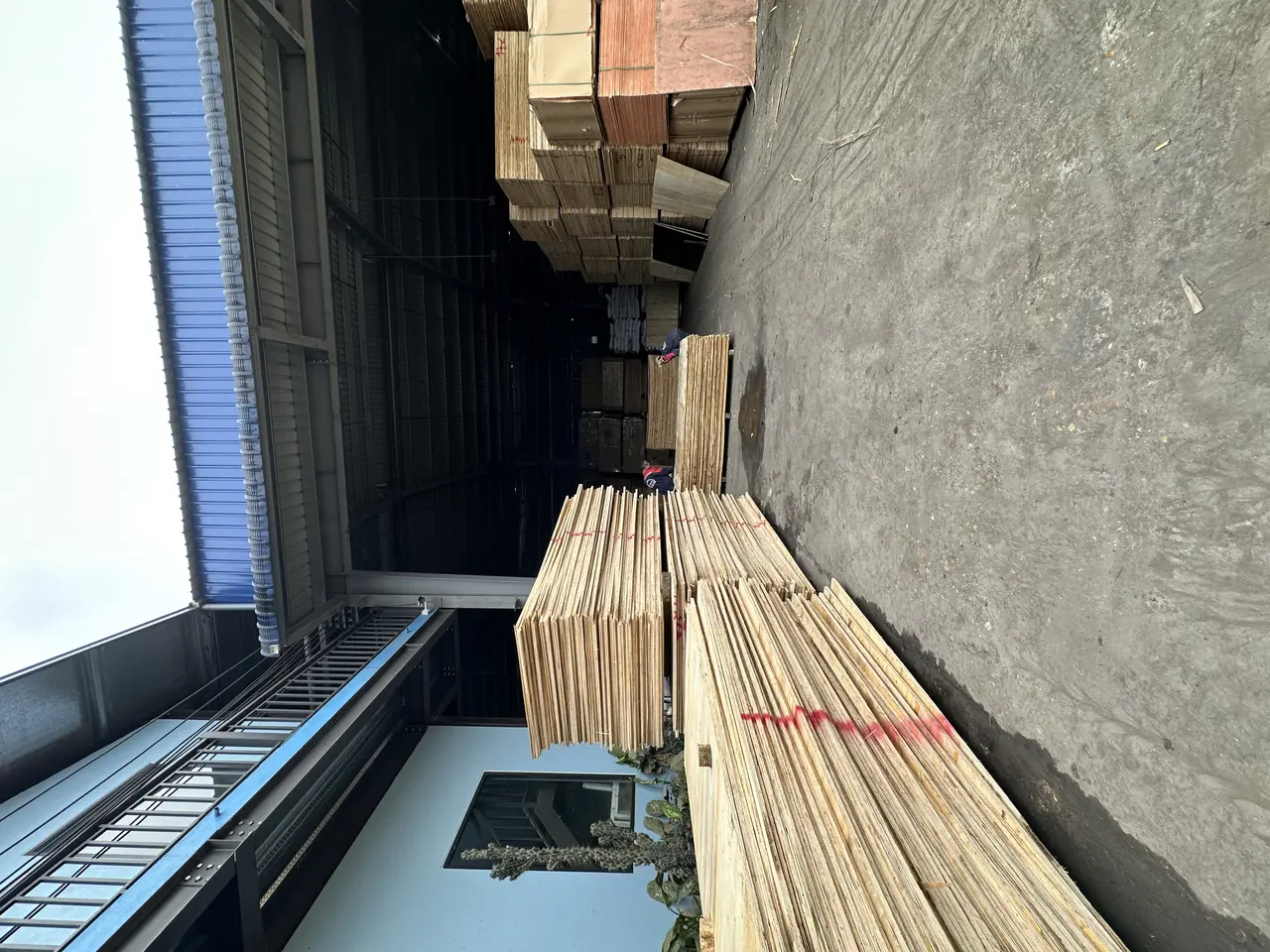
📐 Dimensional Tolerance — What Buyers Must Specify
Tolerance is the allowed deviation from the specified dimension. It is one of the most overlooked specifications in plywood procurement — and one of the most common sources of quality disputes.
Standard Tolerances
| Dimension | Tolerance | Notes |
|---|---|---|
| Thickness | ±0.3 mm | Measured at 5 points: 4 corners + center |
| Length | ±2 mm | Measured at panel midpoint |
| Width | ±2 mm | Measured at panel midpoint |
| Squareness | ≤2 mm diagonal difference | Difference between two diagonal measurements |
Thickness Tolerance: Why ±0.3mm Is the Standard
The ±0.3mm thickness tolerance is the production standard for calibrated plywood in Vietnam. This tolerance is achieved through calibration sanding — a wide-belt sander passes over the panel surface to bring it within specification. The tolerance applies across the full panel area, measured at five reference points (four corners plus panel center).
For applications that require tighter tolerance:
- Furniture and cabinet manufacturing: ±0.2mm is achievable through additional calibration sanding passes. This tighter tolerance is recommended for edge-banded panels, CNC-routed components, and lamination substrates where consistent thickness prevents visible joint lines.
- Film faced plywood: The film overlay is applied directly to the calibrated panel surface, so thickness tolerance of the base panel determines the formwork surface uniformity. ±0.3mm is standard for construction formwork.
- Packing plywood: Thickness tolerance is less critical for industrial packaging. ±0.5mm is acceptable for most crate and pallet applications where structural integrity matters more than dimensional precision.
⚠️ Heads up: Always specify your required thickness tolerance in the purchase order. If you do not specify, the factory defaults to ±0.3mm. Requesting tighter tolerance after production has started is not possible — calibration is set during the sanding line setup. See the quotation guide for the full specification checklist.
⚖️ Weight per Sheet — Calculation by Core Species
Sheet weight is determined by core species density, not face veneer type. A birch plywood panel with styrax core weighs the same as an okoume plywood panel with styrax core at the same thickness and size — because the face veneer is only 0.2–0.4mm thick and contributes negligible weight compared to the core.
Core Species Density (Source of Truth)
| Core Species | Density (kg/m³) | Relative Weight |
|---|---|---|
| Styrax | 480–500 | Lightest — best CBM per container |
| Acacia | ~580 | Mid-range — best value for commercial grade |
| Eucalyptus | 650–750 | Heaviest — maximum strength and stiffness |
Weight Calculation Formula
Weight (kg) = Length (m) × Width (m) × Thickness (m) × Density (kg/m³)Example: 18mm birch plywood with styrax core, size 1220 x 2440 mm:
Weight = 1.22 × 2.44 × 0.018 × 500 = 26.8 kg per sheetWeight table (1220 × 2440mm): For the complete weight reference including 1250×2500mm and all thicknesses, see the plywood weight table for all core types.
| Thickness (mm) | Styrax (500 kg/m³) | Acacia (580 kg/m³) | Eucalyptus (700 kg/m³) |
|---|---|---|---|
| 3 | 4.5 kg | 4.9 kg | 6.3 kg |
| 5 | 7.4 kg | 8.2 kg | 10.4 kg |
| 9 | 13.4 kg | 14.7 kg | 18.8 kg |
| 12 | 17.9 kg | 19.6 kg | 25.0 kg |
| 15 | 22.3 kg | 24.5 kg | 31.3 kg |
| 18 | 26.8 kg | 29.5 kg | 37.5 kg |
| 21 | 31.3 kg | 34.4 kg | 43.8 kg |
| 25 | 37.2 kg | 40.9 kg | 52.1 kg |
| 30 | 44.7 kg | 49.1 kg | 62.6 kg |
Weight table (1250 × 2500mm):
| Thickness (mm) | Styrax (500 kg/m³) | Acacia (580 kg/m³) | Eucalyptus (700 kg/m³) |
|---|---|---|---|
| 3 | 4.7 kg | 5.2 kg | 6.6 kg |
| 5 | 7.8 kg | 8.6 kg | 10.9 kg |
| 9 | 14.1 kg | 15.5 kg | 19.7 kg |
| 12 | 18.8 kg | 20.6 kg | 26.3 kg |
| 15 | 23.4 kg | 25.8 kg | 32.8 kg |
| 18 | 28.1 kg | 30.9 kg | 39.4 kg |
| 21 | 32.8 kg | 36.1 kg | 45.9 kg |
| 25 | 39.1 kg | 43.0 kg | 54.7 kg |
| 30 | 46.9 kg | 51.6 kg | 65.6 kg |
Why weight matters for importers:
- Container payload limit: The 40HC container has a maximum payload of 28.5 MT (metric tons). Heavier core species (eucalyptus) hit this limit with fewer pallets than lighter species (styrax). Weight per sheet determines your total container weight — and whether you can add another pallet or not.
- Freight cost: Ocean freight is charged by weight or volume, whichever is greater. Knowing your shipment weight enables accurate freight quotation requests.
- Arrival verification: Weighing sample panels on arrival confirms that the core species matches the specification. If you ordered styrax core at 18mm and the panel weighs 37 kg instead of 27 kg, the factory shipped eucalyptus core.
For complete container loading calculations by core species and thickness, see the plywood container packing calculation guide.
📦 Sheets per Pallet and Pallets per 40HC Container
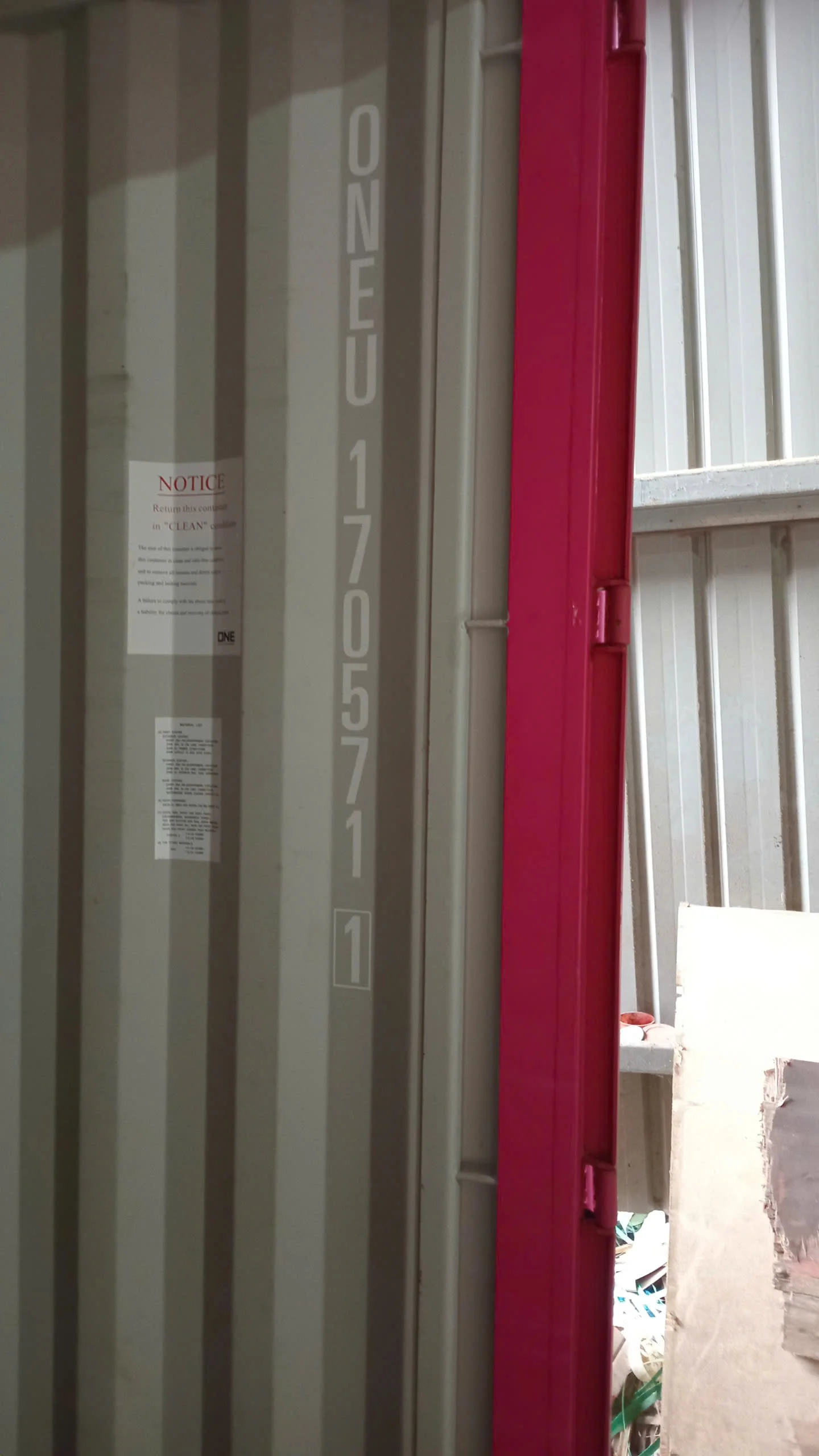
Container loading is where plywood sizes and thickness translate into logistics cost. The number of sheets per pallet depends on thickness. The number of pallets per container depends on core species density and the 28.5 MT payload limit.
Sheets per Pallet (Standard 1000mm Stack Height)
Pallet stack height is standardized at 1000mm — this height is forklift-safe, structurally stable, and optimizes the internal height of a 40HC container.
| Thickness (mm) | Sheets per Pallet | Calculation |
|---|---|---|
| 3 | 333 | 1000 ÷ 3 |
| 5 | 200 | 1000 ÷ 5 |
| 9 | 111 | 1000 ÷ 9 |
| 12 | 83 | 1000 ÷ 12 |
| 15 | 66 | 1000 ÷ 15 |
| 18 | 55 | 1000 ÷ 18 |
| 21 | 47 | 1000 ÷ 21 |
| 25 | 40 | 1000 ÷ 25 |
| 30 | 33 | 1000 ÷ 30 |
Pallets per 40HC Container by Core Species
| Core Species | Density (kg/m³) | Pallets per 40HC | CBM per 40HC (1220×2440) | Approx. Weight |
|---|---|---|---|---|
| Styrax | 500 | 18 | ~53 CBM | ~26.5 MT |
| Acacia | 580 | 16 | ~47.5 CBM | ~27.5 MT |
| Eucalyptus | 700 | 15 | ~44.5 CBM | ~28 MT |
Container pallet layout: 16 pallets lie flat in a 4×4 grid configuration. For styrax core (18 pallets), the additional 2 pallets stand upright at the container door end. All configurations stay within the 28.5 MT payload limit.
Total Sheets per 40HC (18mm Example)
| Core Species | Pallets | Sheets/Pallet (18mm) | Total Sheets | Total CBM |
|---|---|---|---|---|
| Styrax | 18 | 55 | 990 | ~53 CBM |
| Acacia | 16 | 53 | 848 | ~47.5 CBM |
| Eucalyptus | 15 | 53 | 795 | ~44.5 CBM |
📌 Key note: Styrax core delivers 24% more sheets per 40HC container than eucalyptus core at the same thickness — 990 vs 795 sheets at 18mm. For buyers where freight cost per sheet is the primary concern, styrax core offers the most efficient container loading. For buyers requiring maximum panel density and stiffness, eucalyptus plywood is the correct specification despite lower sheet count per container.
Mixed thickness orders within a single container are accepted. Buyers can combine 9mm, 12mm, 15mm, and 18mm panels in one shipment. Each thickness is palletized separately with clear bundle marking. The factory provides a detailed container packing list with bundle-level breakdown for each thickness.
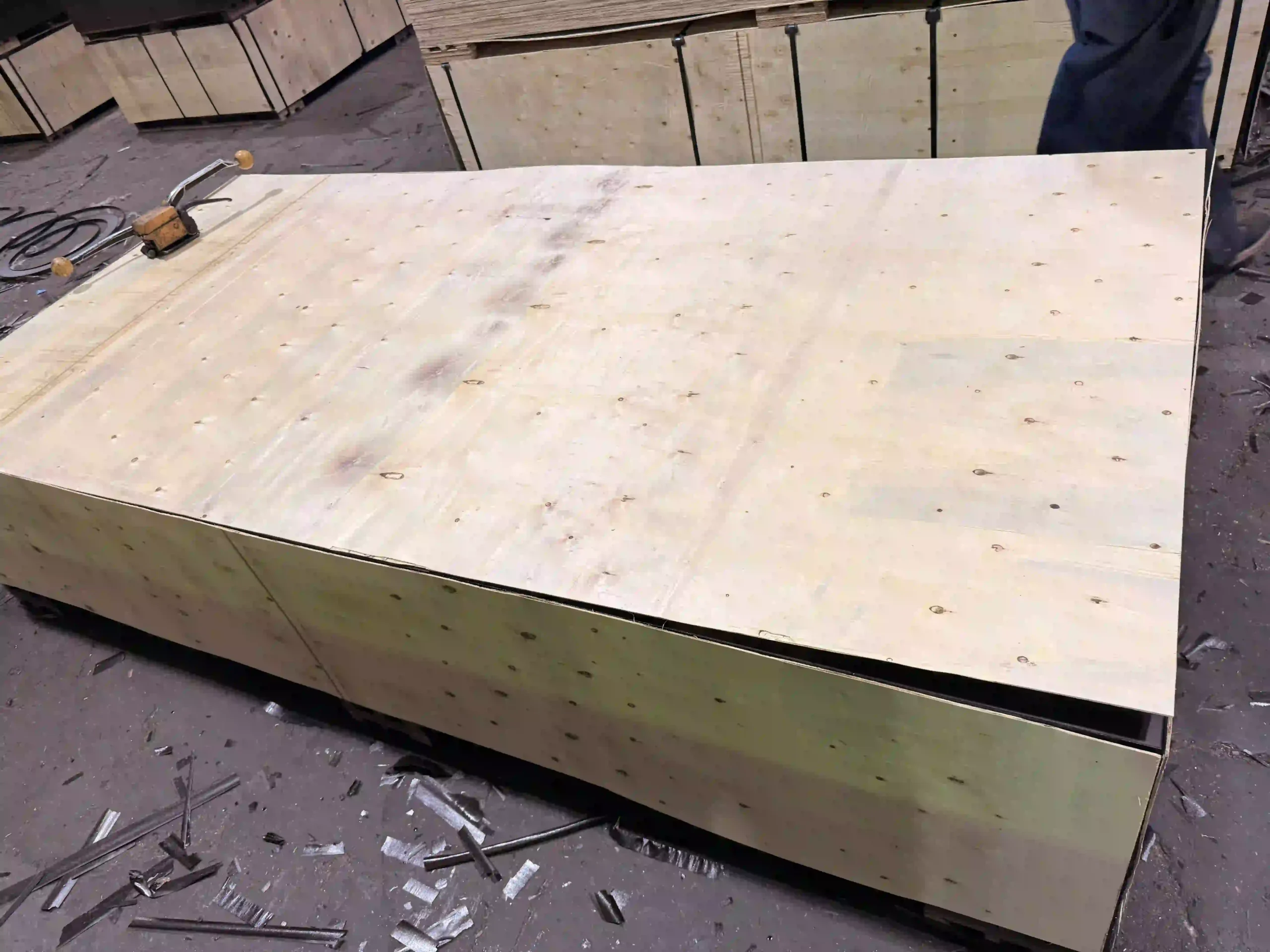
Ordering mixed thicknesses in one container? Contact us — our team provides a detailed packing plan with bundle-level breakdown for mixed plywood sizes and thickness orders.
🌍 Size Requirements by Market
Different export markets have evolved distinct size preferences based on their construction systems, manufacturing standards, and historical measurement conventions.
Market-Specific Size Preferences
| Market | Preferred Size (mm) | Reason |
|---|---|---|
| United States | 1220 x 2440 | Imperial construction system — 4ft stud spacing |
| India | 1220 x 2440 | Standard across furniture, construction, packaging |
| UAE / Middle East | 1220 x 2440 | Construction boom — 4×8 formwork panels standard |
| Europe (EU) | 1250 x 2500 | Metric manufacturing — furniture, cabinets, formwork |
| Germany | 1250 x 2500 | DIN standards — metric dimensions mandatory |
| Korea | 1250 x 2500 | Metric construction modules, KS standards |
| Japan | 1220 x 2440 | JAS standard, legacy imperial-compatible sizing |
| Australia | 1220 x 2440 | AS standards — 4×8 format dominant |
| Southeast Asia | 1220 x 2440 | Regional standard for construction and packaging |
| Africa | 1220 x 2440 | Infrastructure and packaging — 4×8 universal |
| Latin America | 1220 x 2440 | US-influenced construction practices |
Which Size Should You Order?
Order 1220 x 2440 mm if your end market, your customers, or your production line is set up for imperial-origin dimensions. This is the safe default for most global markets.
Order 1250 x 2500 mm if you are supplying European furniture factories, European construction sites, or Korean/German markets where metric dimensions are the native standard. The 5% larger sheet area means fewer cuts and less waste in metric production environments.
Mixed sizes in one container are accepted, though most buyers standardize on one size per order to simplify their own inventory management.
🏗️ Size and Thickness Requirements by Application
The correct plywood size and thickness depends on what the plywood will be used for. This section maps common applications to their typical size and thickness specifications.
Furniture Manufacturing
| Component | Typical Thickness | Typical Size | Core Preference |
|---|---|---|---|
| Cabinet carcass | 12–18 mm | 1220×2440 or 1250×2500 | Styrax (light, stable, E0) |
| Drawer boxes | 9–12 mm | 1220×2440 or 1250×2500 | Styrax (CNC-clean edges) |
| Drawer bottoms / backs | 3–5 mm | 1220×2440 | Styrax or acacia |
| Table tops | 18–25 mm | 1220×2440 or 1250×2500 | Eucalyptus (maximum rigidity) |
| Shelving | 12–18 mm | 1220×2440 | Styrax or acacia |
| Door panels | 9–12 mm | 1220×2440 | Styrax (light, warp-resistant) |
Key spec: Furniture plywood requires sanded surface finish, E0 or E1 emission class, and Melamine (MR) glue. Face veneer options for furniture include birch (D/E/F grade, EU market), okoume (light golden-pink, marine and furniture), and EV plywood (engineered veneer, uniform modern look).
Construction and Formwork
| Component | Typical Thickness | Typical Size | Core Preference |
|---|---|---|---|
| Slab formwork | 15–18 mm | 1220×2440 or 1250×2500 | Acacia or eucalyptus |
| Column formwork | 18–21 mm | 1220×2440 | Eucalyptus (max stiffness) |
| Scaffolding platforms | 18–21 mm | 1220×2440 | Eucalyptus |
| Truck flooring | 18–21 mm | 1220×2440 | Eucalyptus |
| Temporary structures | 12–15 mm | Various | Acacia (budget) |
Key spec: Construction plywood requires unsanded surface (film overlay applied directly), WBP Phenolic glue, and is typically not rated for indoor emission standards. Film faced plywood is the standard product for concrete formwork. Anti-slip plywood is specified for platforms and truck floors.
Industrial Packaging
| Component | Typical Thickness | Typical Size | Core Preference |
|---|---|---|---|
| Pallet tops/bottoms | 9–15 mm | 1220×2440, 1220×1830 | Acacia (strong, budget) |
| Crate panels | 9–12 mm | 1220×2440, 915×1830 | Acacia or styrax |
| Dunnage boards | 5–9 mm | Custom cut | Acacia |
| Protective packaging | 3–5 mm | Custom cut | Styrax (lightweight) |
| Produce boxes | 3–5 mm | 915×1830 | Styrax |
Key spec: Packing plywood uses unsanded Bintangor C/D or Poplar face, Melamine (MR) glue, E2 emission class. ISPM 15 fumigation is mandatory for all wood packaging materials in international trade. Starting from $220/CBM FOB Vietnam.
📊 How Thickness Affects Price, Weight, and Container Loading
Thickness is the single most impactful variable in plywood procurement economics. It affects four cost dimensions simultaneously.
1. Material Cost (Price per CBM)
Thicker panels require more raw material — more core veneer layers, more glue per sheet, and longer hot-press cycle time. However, the price increase is not linear with thickness. The fixed costs of face veneer, sanding, and quality inspection are spread across a thicker panel, so the price per CBM actually decreases slightly as thickness increases for the same product specification.
For buyers comparing specifications: a 9mm panel does not cost exactly half the CBM price of an 18mm panel. The 9mm panel’s per-CBM price is typically 10–20% higher because the production process requires the same number of sanding passes, QC inspections, and face veneer sheets regardless of panel thickness.
2. Weight per Container
As thickness increases, the weight per sheet increases proportionally — but the number of sheets per pallet decreases (fewer sheets fit in the 1000mm pallet stack). The net effect: total container weight stays relatively constant across different thicknesses for the same core species, because the payload limit (28.5 MT) is the binding constraint.
| Thickness | Sheets/Pallet | Sheet Weight (Styrax, 1220×2440) | Pallet Weight |
|---|---|---|---|
| 9 mm | 111 | 13.4 kg | ~1,487 kg |
| 12 mm | 83 | 17.9 kg | ~1,486 kg |
| 18 mm | 55 | 26.8 kg | ~1,474 kg |
| 25 mm | 40 | 37.2 kg | ~1,488 kg |
Pallet weight remains nearly constant at approximately 1,475–1,490 kg per pallet (styrax core) regardless of thickness. This is not coincidence — it is a direct consequence of the 1000mm stack height standard.
3. CBM per Container
CBM per container also stays relatively constant for the same core species because the number of pallets is determined by payload weight, not by thickness. The CBM of a single pallet changes with thickness, but the pallet count is fixed by the weight limit.
4. Structural Performance
Thicker panels resist bending, deflection, and concentrated loads better than thinner panels of the same core species. The relationship between thickness and stiffness is not linear — stiffness increases with the cube of thickness. An 18mm panel is approximately 2.4 times stiffer than a 12mm panel, and an 18mm panel is approximately 8 times stiffer than a 9mm panel.
For furniture plywood, thickness determines shelf deflection under load, drawer front rigidity, and table top flatness. For film faced formwork, thickness determines how far the panel deflects between support beams when loaded with wet concrete — a critical safety and quality parameter.
🔍 Special Considerations: 1220×2440 vs 1250×2500 in Practice
Buyers frequently ask whether the two sizes are interchangeable. The answer is nuanced.
Production line setup: Most Vietnam factories can switch between the two sizes. The veneer layup, pressing, and trimming equipment accommodates both dimensions. Switching adds a minor setup time — not enough to affect pricing or lead time for container-quantity orders.
Container loading: Both sizes load the same number of pallets per 40HC. The 1250x2500mm sheets produce slightly wider and longer pallets, but the 40HC container internal dimensions (12,032mm length x 2,352mm width x 2,698mm height) accommodate both formats in the same 4×4 pallet layout. The difference is that 1250x2500mm pallets load approximately 5% more CBM per container.
Price difference: The FOB price per CBM is typically identical for both sizes. The cost per sheet is slightly higher for 1250x2500mm because each sheet contains more material (3.125 m² vs 2.977 m²). But per-CBM pricing — which is how plywood is commercially quoted — does not change with sheet size.
Mixing sizes in one container: Technically possible, but not recommended. Mixed-size pallets complicate the loading geometry and waste container space at the pallet boundary. We recommend ordering one size per container for optimal loading efficiency.
🏭 Vietnam Factory Capabilities for Sizes and Thickness
| Capability | Specification |
|---|---|
| Standard sizes | 1220x2440mm, 1250x2500mm |
| Custom sizes | 1220×1830, 915×1830, 915×2440, 1220×2135, and custom |
| Thickness range | 3–40 mm |
| Standard thickness steps | 3, 5, 6, 9, 12, 15, 18, 21, 25, 28, 30 mm |
| Thickness tolerance | ±0.3 mm (standard), ±0.2 mm (premium furniture) |
| Length/width tolerance | ±2 mm |
| Core species | Styrax (480–500 kg/m³), Acacia (~580 kg/m³), Eucalyptus (650–750 kg/m³) |
| Face veneer | 10+ species: birch, okoume, bintangor, gurjan, pine, poplar, eucalyptus, EV, film faced, anti-slip |
| MOQ | 1 x 40HC container |
| Lead time | 15–20 working days |
| Mixed specs per container | Accepted — multiple thicknesses, sizes, face types in one shipment |
| Certifications | FSC, CARB P2, CE, ISO 9001, EUDR compliance |
For the full product range with individual specifications, visit the product catalog.
📋 Size and Thickness Specification Checklist
When requesting a quotation for plywood from Vietnam, include all of the following specifications to receive an accurate quote on the first response. Missing any specification delays the quotation process because the factory must ask follow-up questions.
Required specifications for quotation:
- Sheet size — 1220x2440mm or 1250x2500mm (or custom dimensions)
- Thickness — specify in mm (e.g., 18mm)
- Face veneer type — birch D/E/F, okoume A/B, bintangor A/B, film faced, etc.
- Core species — styrax, acacia, or eucalyptus
- Glue type — Melamine (MR) or Phenolic (WBP)
- Emission class — E0, E1, or E2
- Thickness tolerance — ±0.3mm (standard) or tighter
- Surface finish — sanded or unsanded
- Quantity — number of sheets or CBM
- Destination port — for freight estimation
📌 Tip: Download this checklist or copy it directly into your quotation email. Complete specifications reduce the quotation turnaround from 24 hours to under 12 hours. For a complete guide to the quotation process, read the buyer’s quotation guide.
❓ Common Buyer Questions on Plywood Sizes and Thickness
“Can I order 2.5mm plywood?”
2.5mm is below the standard minimum of 3mm. Ultra-thin plywood at 2.5mm requires specialized pressing equipment and is typically sourced from factories specializing in thin-panel production. For backing panels and lightweight applications, 3mm is the recommended minimum thickness from Vietnamese factories.
“What is the maximum thickness available?”
Standard maximum is 30mm. Panels up to 40mm can be produced for specific industrial applications on request. Thicknesses above 30mm require extended production lead time and higher MOQ.
“Does face veneer type affect the available sizes?”
No. All face veneer types — birch, okoume, bintangor, gurjan, pine, poplar, eucalyptus, EV, film faced, anti-slip, matt — are available in both 1220x2440mm and 1250x2500mm sizes, and in the full thickness range appropriate for each product.
“Can different thicknesses be mixed in one container?”
Yes. Mixed-thickness containers are accepted and regularly shipped. Each thickness is palletized separately and labeled. A single container can include 9mm, 12mm, 15mm, and 18mm panels — all with the same face and core specification, or with different specifications per thickness. A bundle-level packing list is provided for mixed containers.
“How does plywood thickness affect import duty classification?”
Plywood is classified under HS code 4412 regardless of thickness. However, some countries apply different duty rates based on thickness ranges (e.g., plywood over 6mm vs under 6mm may carry different rates in certain markets). Check your destination country’s tariff schedule or consult with our export team for guidance specific to your market.
✅ Summary — Key Specifications at a Glance
| Parameter | Standard |
|---|---|
| Standard sizes | 1220 x 2440 mm (4×8 ft), 1250 x 2500 mm (metric) |
| Custom sizes | 1220×1830, 915×1830, 915×2440, 1220×2135, custom |
| Thickness range | 3–40 mm |
| Common thicknesses | 3, 5, 9, 12, 15, 18, 21, 25, 30 mm |
| Thickness tolerance | ±0.3 mm (standard), ±0.2 mm (premium) |
| Length/width tolerance | ±2 mm |
| Core species | Styrax 480–500 kg/m³, Acacia ~580 kg/m³, Eucalyptus 650–750 kg/m³ |
| Sheets per pallet (18mm) | 55 sheets (1000mm stack height) |
| Pallets per 40HC | Styrax 18, Acacia 16, Eucalyptus 15 |
| CBM per 40HC | Styrax ~53, Acacia ~47.5, Eucalyptus ~44.5 |
| 40HC payload limit | 28.5 MT (hard stop) |
| Mixed specs per container | Accepted |
| Lead time | 15–20 working days |
| MOQ | 1 x 40HC container |
For quotation with exact pricing for your required size and thickness, contact us — factory-direct response within 12 hours. WhatsApp: +84-975-807-426 (Ms. Jay, International Sales).
Frequently Asked Questions
What is the standard plywood sheet size from Vietnam?The two standard plywood sizes from Vietnam factories are 1220x2440mm (4×8 feet) and 1250x2500mm (metric). The 1220x2440mm size is the global default — used in the US, India, Southeast Asia, Middle East, and most markets. The 1250x2500mm size is preferred by European and Korean buyers. Both sizes fit standard 40HC container pallet configurations. Vietnamese factories produce both sizes and accept mixed-size orders within one container.What plywood thickness range is available from Vietnam?Vietnamese factories manufacture plywood from 3mm to 40mm. The most commonly ordered thicknesses are 3, 5, 9, 12, 15, 18, 21, and 25mm. Thickness selection depends on the application — 3-5mm for backing panels and lightweight packaging, 9-12mm for furniture panels and cabinet components, 15-18mm for structural furniture and formwork, and 21-30mm for heavy-duty flooring and construction. Custom thicknesses between standard steps are available on request.What is the thickness tolerance for plywood from Vietnam?Standard thickness tolerance is plus or minus 0.3mm. Length and width tolerance is plus or minus 2mm. For premium furniture-grade plywood requiring tighter tolerance, plus or minus 0.2mm is achievable through calibration sanding. Always specify tolerance requirements in your purchase order — tolerance directly affects how plywood performs in CNC-routed furniture, edge-banded cabinets, and precision formwork.How many plies does plywood have at each thickness?Ply count depends on thickness and core veneer thickness. With standard 1.5-1.7mm core veneers: 3mm plywood has 3 plies, 5mm has 3-5 plies, 9mm has 7 plies, 12mm has 9 plies, 15mm has 11 plies, 18mm has 11 plies (ply count varies by core veneer thickness — thinner veneers may yield 11-13 plies at 18mm), 21mm has 13-15 plies, and 25mm has 15-17 plies. More plies at a given thickness means thinner individual veneers, which generally produces a more dimensionally stable and balanced panel.How much does a plywood sheet weigh?Sheet weight depends on core species and thickness, not face veneer. For a standard 1220x2440mm panel at 18mm: styrax core weighs approximately 25-27 kg, acacia core weighs approximately 29-31 kg, and eucalyptus core weighs approximately 34-40 kg. The formula is: Weight (kg) = Length (m) x Width (m) x Thickness (m) x Density (kg per cubic meter). Knowing sheet weight is essential for container payload calculation.Does plywood size affect container loading capacity?Both 1220x2440mm and 1250x2500mm sheets load 18 pallets per 40HC container for styrax core. However, 1250x2500mm sheets produce approximately 5 percent more CBM per container because each sheet has a slightly larger area. The pallet count stays the same, but the cubic volume per pallet increases. This means 1250x2500mm offers marginally better CBM efficiency per container — a relevant factor for European buyers who order by the cubic meter.Can you produce custom plywood sizes?Yes. Vietnamese factories produce custom plywood sizes beyond the two standard formats. Common custom sizes include 1220x1830mm (4×6 feet), 915x1830mm (3×6 feet), 915x2440mm (3×8 feet), and 1220x2135mm (4×7 feet). Custom cutting is available with the same minimum order of one 40HC container. Buyers with specific pallet templates or crate designs can provide a cut list and the factory will optimize the container loading plan.Why do European buyers prefer 1250x2500mm plywood?European buyers prefer 1250x2500mm because the metric system governs construction and manufacturing dimensions in the EU. Standard European furniture panels, formwork modules, and building board dimensions are based on metric measurements. The 1250x2500mm sheet integrates directly into metric production workflows without the conversion waste that 1220x2440mm (imperial-origin) sheets produce when cut to metric dimensions. Korean buyers share this preference for the same reason.
Ready to order?
Request Custom Size Quote

Written by
David
Export Project Leader
Content contributor at Vietnam Plywood.
On this page
- 📐 Standard Plywood Sheet Sizes
- 📏 Additional and Custom Plywood Sizes
- 📊 Thickness Range and Common Steps
- 🔧 Ply Count by Thickness
- 📐 Dimensional Tolerance — What Buyers Must Specify
- ⚖️ Weight per Sheet — Calculation by Core Species
- 📦 Sheets per Pallet and Pallets per 40HC Container
- 🌍 Size Requirements by Market
- 🏗️ Size and Thickness Requirements by Application
- 📊 How Thickness Affects Price, Weight, and Container Loading
- 🔍 Special Considerations: 1220×2440 vs 1250×2500 in Practice
- 🏭 Vietnam Factory Capabilities for Sizes and Thickness
- 📋 Size and Thickness Specification Checklist
- ❓ Common Buyer Questions on Plywood Sizes and Thickness
- ✅ Summary — Key Specifications at a Glance
On this page
- 📐 Standard Plywood Sheet Sizes
- 📏 Additional and Custom Plywood Sizes
- 📊 Thickness Range and Common Steps
- 🔧 Ply Count by Thickness
- 📐 Dimensional Tolerance — What Buyers Must Specify
- ⚖️ Weight per Sheet — Calculation by Core Species
- 📦 Sheets per Pallet and Pallets per 40HC Container
- 🌍 Size Requirements by Market
- 🏗️ Size and Thickness Requirements by Application
- 📊 How Thickness Affects Price, Weight, and Container Loading
- 🔍 Special Considerations: 1220×2440 vs 1250×2500 in Practice
- 🏭 Vietnam Factory Capabilities for Sizes and Thickness
- 📋 Size and Thickness Specification Checklist
- ❓ Common Buyer Questions on Plywood Sizes and Thickness
- ✅ Summary — Key Specifications at a Glance
Industry Newsletter
Stay Updated with
Plywood Industry Insights
Factory prices, spec guides, market trends and export tips — delivered weekly to B2B buyers and importers in 20+ countries.