Plywood quotation guide: all specs buyers must specify before pricing — face veneer, core species, glue type, emission standard, thickness, and Incoterms.
Have you ever received a plywood quote that seemed too good to be true — then discovered the container that arrived was nothing like what you ordered? This plywood quotation guide exists because requesting a quote without a complete specification sheet is the single most expensive mistake an importer can make. You receive a price. You place an order. The container arrives, and the product is not what you expected — wrong weight, wrong surface, wrong emission standard for your destination market.
This plywood quotation guide distills Mika Plywood’s hands-on experience processing hundreds of buyer inquiries into a practical 12-factor checklist you can apply before contacting any Vietnam supplier. When I first started handling international quotation requests, I quickly learned that the most expensive plywood isn’t always the best fit for the buyer’s application — the right specification at the right price point is the only definition of “best value.” In over 10 years of handling plywood exports from Vietnam to 20+ countries, we have seen this scenario repeat across every market: India, the UAE, Germany, South Korea, Brazil. The buyer submitted a product name and a quantity. The factory quoted the cheapest version of that product. Neither party was dishonest — they simply did not share the same specification. The result is a quality dispute, a damaged business relationship, and sometimes a container that cannot be cleared at the destination port.
Additionally, this plywood quotation guide covers every pricing factor: why each factor matters, what happens when you get it wrong, and how to specify each one correctly before contacting any Vietnam supplier. According to ICC, 2020 (Incoterms 2020 rules), trade terms alone do not define what product you receive — specification does. Both dimensions must be complete. Furthermore, according to EPA, 2024 (TSCA Title VI formaldehyde regulations), importers into the US bear legal responsibility for verifying plywood products meet CARB P2 emission limits — not the exporting factory.
Our mission is to bring full transparency to Vietnam plywood sourcing — so buyers can compare suppliers with confidence and make informed decisions before a single container ships. Treat this as your pre-quote checklist. Work through all 12 factors in order. By the time you reach Factor 12, your specification sheet will be complete enough to get accurate, comparable prices from multiple suppliers.
📩 Ready to request a quotation? contact us for a free, no-commitment quote — FSC-certified, ISO 9001 compliant, CARB P2 compliant. We respond within 24 hours with full specifications and FOB pricing.
Use this plywood quotation guide checklist before sending your RFQ — incomplete requests result in quotes that cannot be compared across suppliers.
📊 Why Plywood Quotes Differ — And the 12 Factors That Decide Price
Before the checklist, one critical concept must be clear.
When you request a price for “birch plywood 18mm,” you have not specified a product. You have specified a category. Two Vietnam factories can legitimately quote prices 40–60% apart for what they both call “birch plywood 18mm” — and both are telling the truth. In our experience, this misalignment between product name and actual specification is the single most consistent source of post-shipment disputes we handle across all markets.
The difference lies in the specification behind the name:
| Specification Factor | Budget Version | Premium Version |
|---|---|---|
| Core species | Acacia (~580 kg/m³) | Styrax (480–500 kg/m³) |
| Core construction | Loose-laid | Full stitched |
| Glue type | Melamine (MR) | Melamine (MR) — same |
| Emission standard | E2 | E0 / CARB P2 |
| Face veneer grade | F (lower) | D (best available in Vietnam) |
| Surface | Unsanded | Calibrated, sanded |
| Certifications | None | FSC + CARB P2 |
Both are called “birch plywood 18mm.” The premium version can be 50–70% more expensive. Neither supplier is wrong — they simply quoted different products with the same commercial name.
This is why specification matters more than product name. Specifically, professional importers who supply regulated markets use this 12-factor framework as the industry standard approach — it is widely adopted precisely because it eliminates the ambiguity that leads to costly disputes. This plywood quotation guide walks you through each factor so you can eliminate that ambiguity yourself.
⚠️ Important: Vietnam does not produce birch core plywood. “Birch plywood from Vietnam” means birch face veneer over a Vietnamese core species — typically styrax (the closest structural equivalent to true European birch core). Always confirm core species separately from face veneer type.
📋 The 12 Specification Factors — Complete Checklist
📋 Factor 1 — Face Veneer Type and Grade
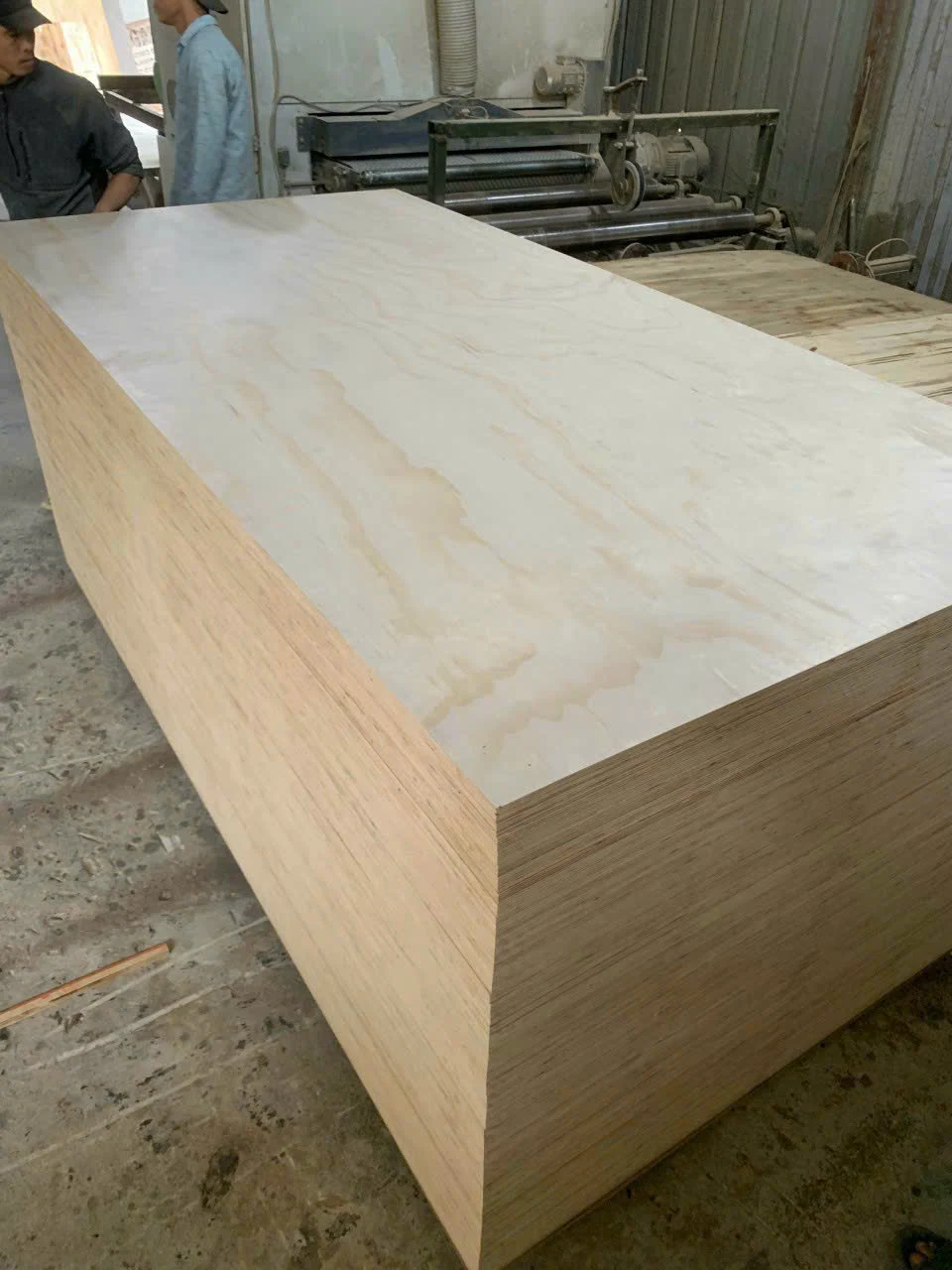
The next factor in our plywood quotation guide is face veneer — the thin wood layer on the visible surface of the panel. In Vietnam, face veneer thickness is typically 0.2–0.4mm for standard export grades, with production range from 0.16–1.0mm.
“The most common mistake new buyers make is comparing price without checking the core species. Styrax and eucalyptus cores produce very different panels at very different price points.” — Jay, International Sales Manager, Mika Plywood
The commercial name of the plywood product is derived from the face veneer — “birch plywood” has birch face, “okoume plywood” has okoume face — regardless of what core species is used.
Face Veneer Options and Price Tiers
| Face Veneer | Price Tier | Common Grade | Primary Markets |
|---|---|---|---|
| Bintangor | Lowest | A/B | Commercial, packaging, general furniture |
| Okoume | Low | A/B | Budget furniture, lightweight applications |
| EV (Engineered Veneer) | Low-Medium | A/B | Modern interiors, uniform appearance |
| Pine | Medium | A/B | Decorative, packaging |
| Poplar | Medium | A/B | Premium interiors, luxury packaging |
| Eucalyptus | Medium | A/B | Furniture, construction |
| Gurjan | High | A/B | India, South Asia — furniture and marine |
| Birch | Highest | D/E/F (no A/B/C in Vietnam) | Premium furniture, European/American markets |
| Film (Phenolic/Melamine) | Special | N/A | Concrete formwork, construction |
| Anti-Slip Film | Special | N/A | Truck floors, scaffolding, walkways |
| Matt (Unfaced) | Substrate | N/A | Lamination substrate, veneering |
⚠️ Note: Birch plywood from Vietnam uses grade notation D/E/F — not A/B/C. Grade D is the best available from Vietnam. Requesting “birch plywood Grade A” will either confuse the supplier or result in a misquote.
Sanding — Furniture-Grade vs. Commercial
Sanding (surface calibration) is not optional for furniture applications. It is a fundamental quality criterion that affects both appearance and dimensional accuracy.
| Application | Sanding Required? |
|---|---|
| Furniture / Cabinet plywood | Yes — calibrated, fine sanded |
| Commercial (general use) | Optional / light sand |
| Packing / Crating | No |
| Film-Faced (formwork) | No |
| Anti-Slip | No |
Always specify: Sanded both sides (S2S), Sanded one side (S1S), or Unsanded.
Specification line: Face veneer: Birch, Grade D. Surface: Sanded both sides (S2S).
Internal links: Birch Plywood Vietnam | Film Faced Plywood | Okoume Plywood | Bintangor Plywood | 2025 FOB Price List
🏭 Factor 2 — Core Species
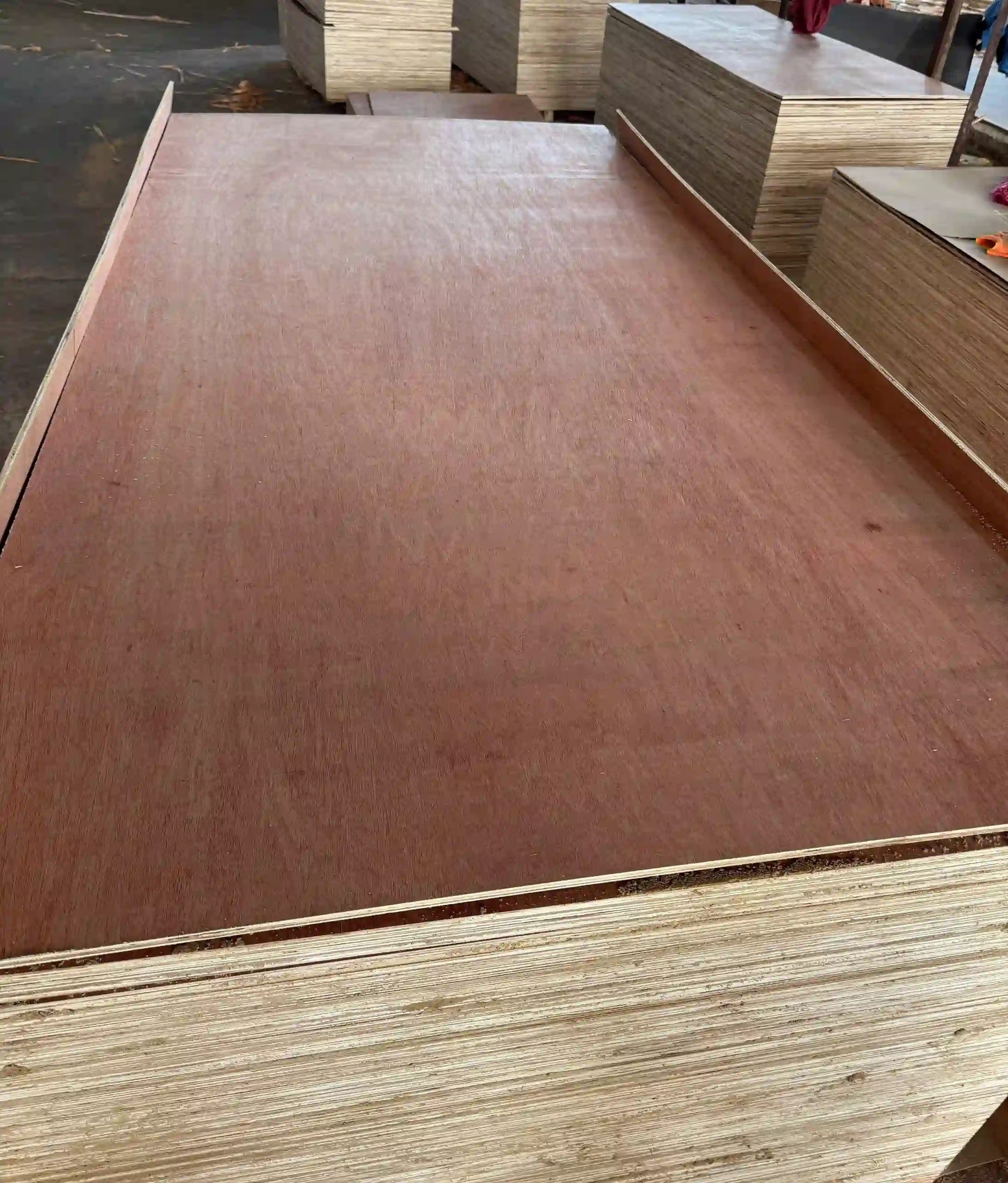
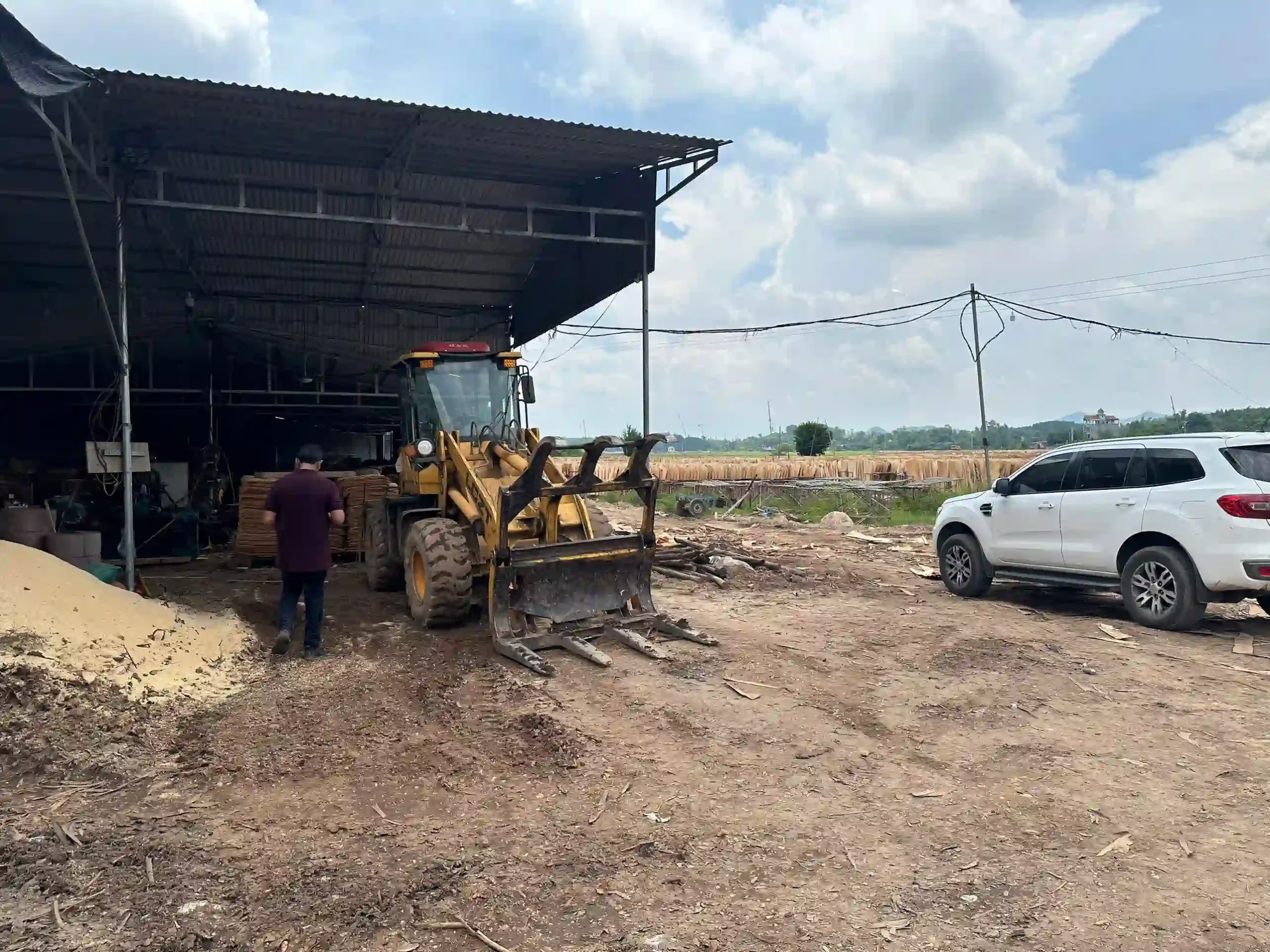
Core species is the single biggest driver of plywood weight, structural performance, and price. In Vietnam, three core species are produced commercially for export:
| Core Species | Density | Price | Characteristics |
|---|---|---|---|
| Acacia | ~580 kg/m³ | Lowest | Dark color (workaround solutions), cost-effective, commercial grade |
| Styrax | 480–500 kg/m³ | Medium | Lightest, white/cream color, premium furniture, best substitute for birch core |
| Eucalyptus | 650–750 kg/m³ | Highest | Heaviest, light yellow color, strongest, best for structural and flooring applications |
⚠️ Key point: Vietnam does NOT produce gurjan core, okoume core, bintangor core, birch core, or hopea core. These are face veneer names, not core options. If a supplier quotes you “full birch core” from Vietnam, request documentation — it does not exist.
Why Core Species Affects Container Loading
Core density directly determines how many CBM you can load in a 40HC container before hitting the payload limit of 28.5 MT:
| Core Species | Pallets per 40HC | CBM per 40HC | Weight per 40HC |
|---|---|---|---|
| Styrax | 18 pallets | ~53 CBM | ~26.5 MT |
| Acacia | 16 pallets | ~47.5 CBM | ~27.5 MT |
| Eucalyptus | 15 pallets | ~44.5 CBM | ~28 MT |
(Based on 1220×2440mm sheets, pallet stack height 1000mm)
This matters for CIF pricing. Styrax-core plywood maximizes CBM utilization per container — lower freight cost per CBM. Eucalyptus-core panels hit the weight limit before the volume limit. In practice, we consistently recommend styrax-core specifications to furniture importers because the combination of lower weight and premium appearance (white cross-section, no dark core showing through edge-banding gaps) justifies the moderate price premium over acacia. Furthermore, based on our direct experience processing hundreds of container orders, furniture buyers who specify styrax core from the outset report fewer surface and edge complaints from their end customers compared to those who downgrade to acacia core to reduce cost.
Specification line: Core species: Styrax (480–500 kg/m³)
Internal link: Core Veneer Vietnam — raw veneer for plywood production
🔧 Factor 3 — Glue Type (Water Resistance)
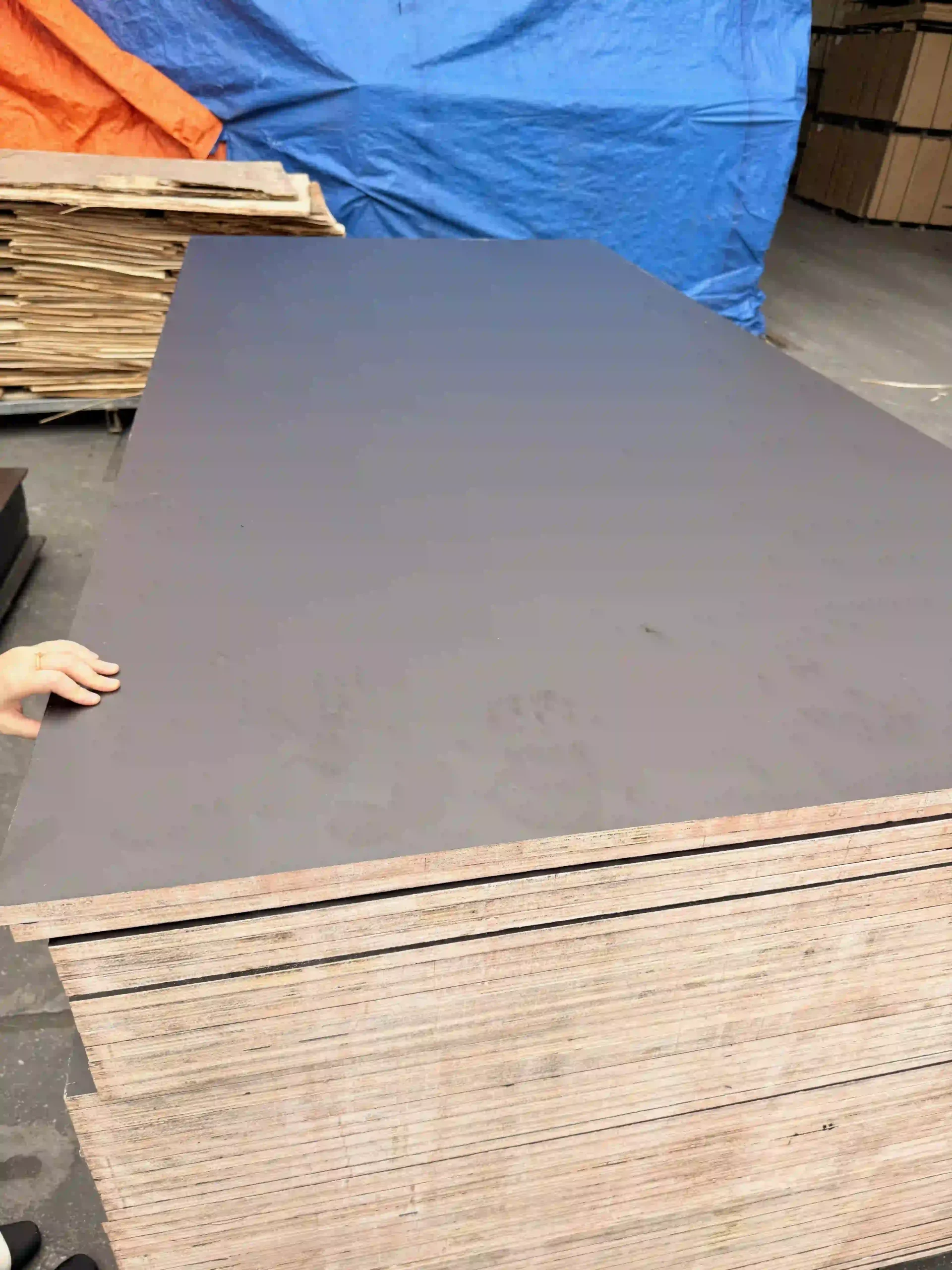
Glue type determines the panel’s water resistance in service. This is a separate specification from emission standard — both must be stated independently. However, the two are routinely confused on quotation requests, which forces suppliers to make an assumption — and they will always assume the lower-cost option unless told otherwise.
| Glue Type | Commercial Name | Boiling Test | Applications |
|---|---|---|---|
| Melamine resin | MR (Moisture Resistant) | 12 hours | Interior furniture, cabinets, dry commercial use |
| Phenolic resin | WBP (Water Boil Proof) | 72 hours | Exterior, construction, marine, concrete formwork |
Common Glue Specification Errors
The most frequent mistake on quotation requests is mixing glue type with emission standard on the same line:
| ❌ Wrong | ✅ Correct |
|---|---|
Glue: MR, E0, E2 |
Glue: Melamine (MR). Emission: E0 |
Glue: WBP Phenolic, E1 |
Glue: Phenolic (WBP). Emission: N/A (construction use) |
E0 glue |
E0 is an emission standard, not a glue type |
💡 Tip: Phenolic (WBP) glue costs approximately 5–8% more per panel than Melamine (MR). For interior furniture applications, MR with E0 emission standard is both sufficient and more cost-effective than WBP.
Specification line: Glue: Melamine (MR) or Glue: Phenolic (WBP)
⚙️ Factor 4 — Emission Standard (Formaldehyde)
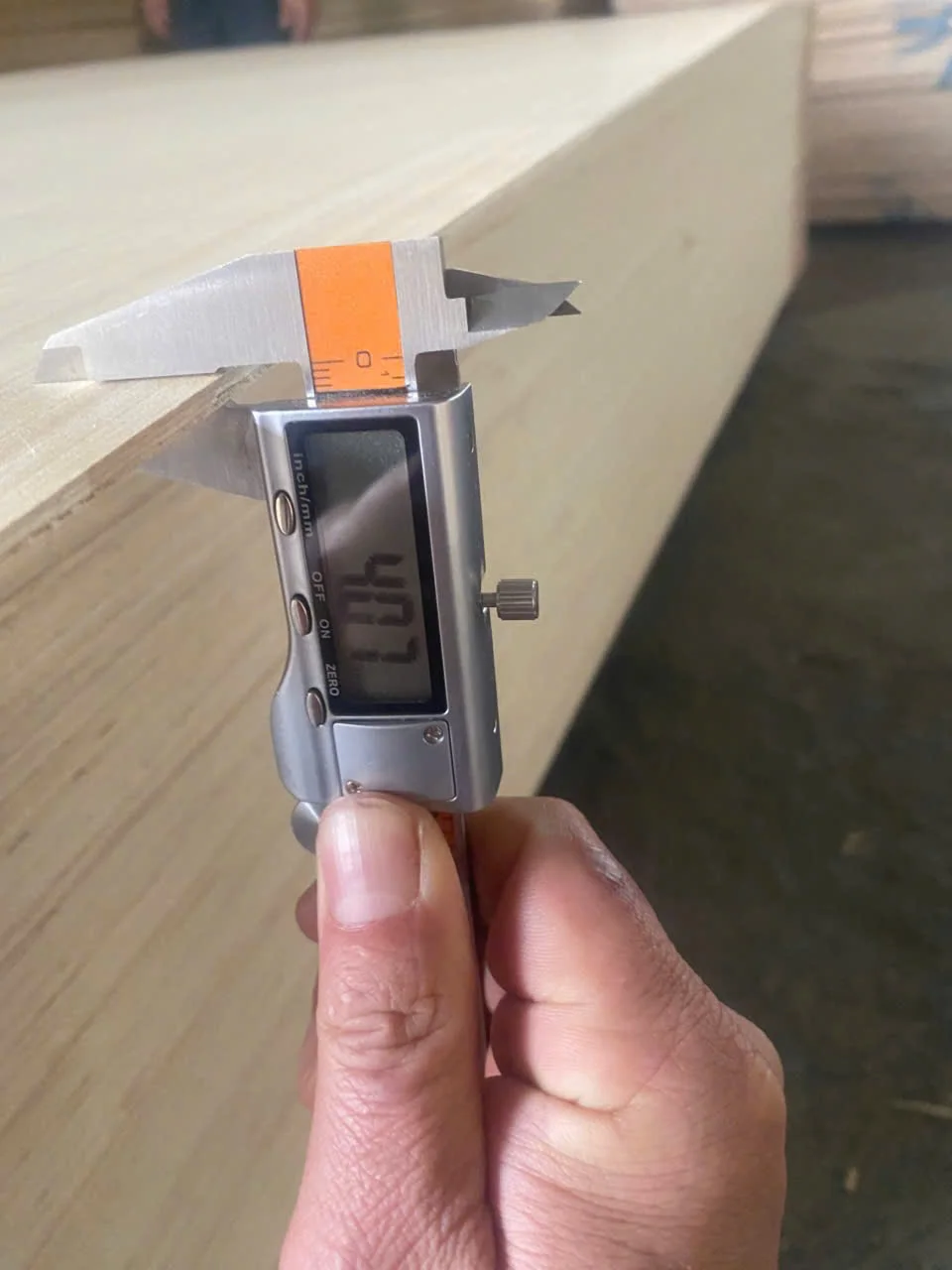
Emission standard is a separate specification from glue type. It refers to the formaldehyde off-gassing level of the cured panel — a key health and regulatory parameter for indoor applications. Notably, regulators in the US and EU have tightened formaldehyde standards in recent years, making this specification more critical than ever for importers supplying furniture retailers with compliance audits.
| Standard | Region | Requirement |
|---|---|---|
| E0 / CARB P2 | USA, Japan, EU (high-end furniture) | ≤0.5 mg/L (CARB P2: ≤0.05 ppm) — mandatory for US furniture imports |
| E1 | European Union standard | ≤1.5 mg/L — acceptable for EU furniture |
| E2 | Budget markets (Southeast Asia, Africa) | ≤5.0 mg/L — not accepted in regulated markets |
⚠️ Heads up: E0 and CARB P2 are NOT the same standard, though both represent low-emission performance. For a detailed comparison, see E0 vs CARB P2 emission standard differences. CARB P2 (California Air Resources Board Phase 2) is the US legal requirement for composite wood products sold into North America, enforced under TSCA Title VI. E0 is an ISO/European standard. For US-bound furniture, specify CARB P2 specifically and request the current test report from a recognized third-party laboratory.
Emission Standard by Destination Market
| Destination | Minimum Required |
|---|---|
| USA / Canada | CARB P2 — legally mandatory |
| European Union (furniture) | E1 minimum, E0 preferred |
| Japan | F4-star (JIS) ≈ E0 performance |
| Korea | E1/E2 acceptable (predominantly commercial/construction market; small premium furniture niche only) |
| India, Middle East | E1 acceptable, E2 for commercial/packing |
| Southeast Asia, Africa | E2 acceptable for budget commercial |
Specification line: Emission standard: E0 / CARB P2 or E1
📐 Factor 5 — Sheet Size
Sheet size affects how the plywood fits into your production process, your container packing efficiency, and whether any custom cutting is required at origin or destination. This plywood quotation guide section on size is brief — but specifying the wrong size adds unnecessary cost to every container you ship.
| Size (mm) | Size (ft) | Market | Notes |
|---|---|---|---|
| 1220 × 2440 | 4 × 8 ft | Most common worldwide | Default for US, Asia, Middle East |
| 1250 × 2500 | Metric | Europe | ~5% more CBM per container vs 4×8 |
| 1220 × 2135 | 4 × 7 ft | Some Asia markets | Less common |
| 1220 × 1830 | 4 × 6 ft | Specific applications | Less common |
| 915 × 2440 | 3 × 8 ft | Specific applications | Less common |
| Custom | — | Available | MOQ applies for custom cuts |
Dimensional tolerance: ±2mm on length and width. Thickness tolerance: ±0.3mm.
💡 Buyer tip: European buyers ordering 1250×2500mm panels receive approximately 5% more volume per container than 1220×2440mm at the same pallet count. For large orders, this is a meaningful cost difference per CBM.
Specification line: Size: 1220 × 2440mm (4×8 ft) or 1250 × 2500mm
📦 Factor 6 — Thickness and Ply Count
Thickness is the most frequently specified dimension in a plywood quotation. Common export thicknesses range from 3mm to 40mm, with custom thicknesses available by order.
Standard Thickness and Typical Ply Count
| Thickness | Typical Ply Count | Common Applications |
|---|---|---|
| 3mm | 3-ply | Drawer backs, thin panels |
| 5mm | 3-ply | Decorative panels, doors |
| 9mm | 5-ply | Cabinet sides, shelving |
| 12mm | 7-ply | Cabinet doors, furniture carcass |
| 15mm | 9-ply | Heavy furniture, worktops |
| 18mm | 11-ply | Kitchen cabinets, flooring underlay |
| 21mm | 13-ply | Formwork, heavy construction |
| 25mm | 15–17-ply | Heavy-duty formwork, structural |
Ply count varies by manufacturer and core veneer thickness. Nominal thickness 18mm from one factory may use 11 plies of 1.6mm veneer; from another factory, it may use 9 plies of 2.0mm veneer. Both measure to 18mm nominal — but structural performance differs.
⚠️ Be aware: Always request the actual ply count and individual veneer thickness alongside nominal panel thickness. This is especially critical for formwork plywood where bending strength (MOR) and delamination resistance under concrete pressure are engineering requirements.
Sheets per Pallet (Container Planning)
Sheets per pallet determines your total sheet count per container. The factory standard is:
Sheets per pallet = ROUNDDOWN(1000 ÷ Thickness_mm)| Thickness | Sheets per Pallet |
|---|---|
| 9mm | 111 sheets |
| 12mm | 83 sheets |
| 15mm | 66 sheets |
| 18mm | 55 sheets |
| 21mm | 47 sheets |
For full container planning, see the plywood container packing guide — covers payload vs volume optimization for all core species. For tips on getting the best price once you understand the spec, read how to negotiate plywood prices with Vietnam suppliers.
Specification line: Thickness: 18mm (nominal). Ply count: 11-ply minimum.
🏭 Factor 7 — Core Construction Quality
Core construction is the most underspecified factor in plywood quotations — and the one that causes the most quality disputes after delivery. Indeed, from our hands-on experience inspecting production lines across multiple factories, core construction quality is the dimension most consistently misrepresented in supplier marketing materials.
Two panels at 18mm with identical face veneer, core species, glue, and emission standard can have dramatically different structural integrity depending on how the core veneers are assembled.
Core Construction Methods
| Method | Quality | Cost | Characteristics |
|---|---|---|---|
| Full stitched | Highest | Highest | Every veneer sheet joined edge-to-edge, no gaps, no overlaps. Required for premium furniture, EU/US markets |
| Stitched outer + edge-trimmed inner | Good | Medium | Outer 2–4 layers stitched, inner layers edge-joined. Good balance of quality and cost |
| Finger-jointed | Medium | Medium | Joints locked mechanically — acceptable for mid-range commercial |
| Loose-laid | Lowest | Lowest | Sheets overlapped without joining. Maximum void risk, delamination under load |
⚠️ Reminder: Loose-laid core construction is common in budget commercial and packing plywood. It is not acceptable for furniture, cabinet, or formwork applications. If you do not specify core construction in your quotation request, budget factories will quote loose-laid by default.
How to Specify Core Construction
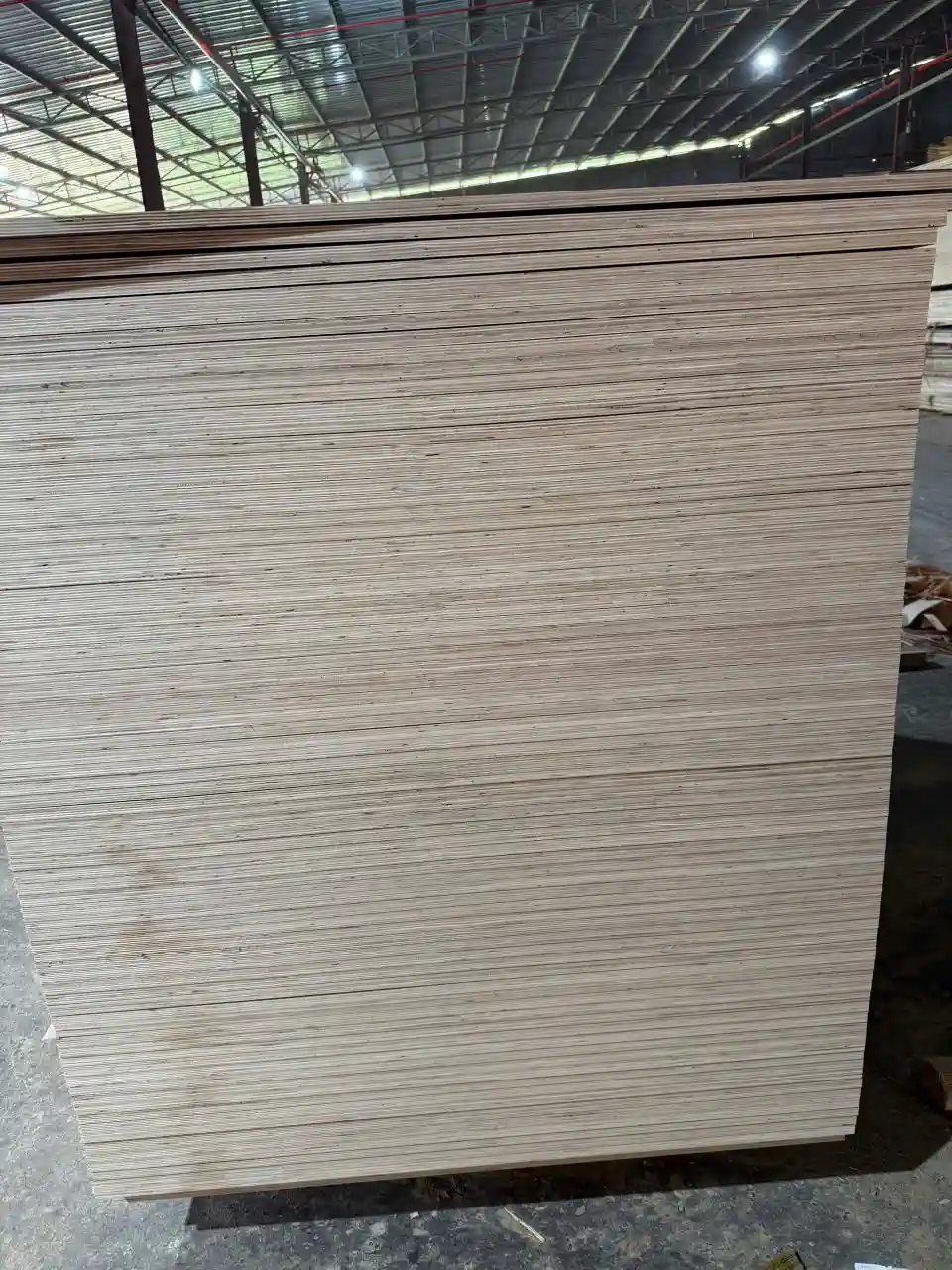
Request factory sample cut-sections and cross-section photos before confirming order. For quality verification, the cross-section should show:
- No voids larger than 5mm × 5mm in structural grades
- No overlapping veneers at joints
- Consistent veneer thickness throughout
Specification line: Core construction: Full stitched all layers (no gaps, no overlaps)
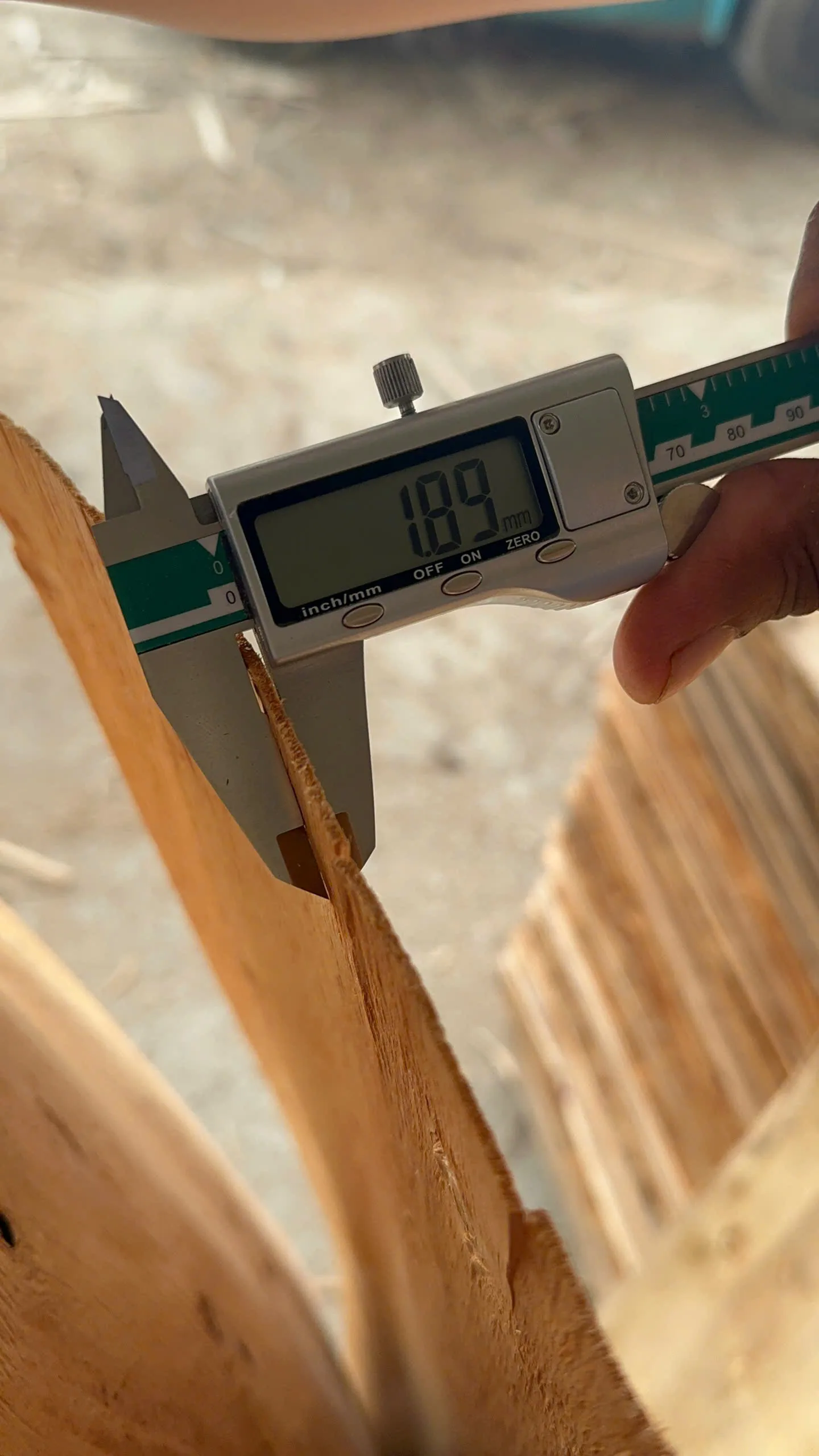
💡 Trade tip: Request cross-section cut photos from at least 3 random panels in your sample order. This free, no-cost check eliminates the most common source of structural performance disputes before goods are committed to a container.
✅ Factor 8 — Certifications and Compliance Documents
Certifications are non-negotiable for regulated destination markets. They add cost — and that cost is justified by market access. Moreover, leading manufacturers in the premium segment hold FSC, CARB P2, and ISO 9001 as baseline requirements — these are not differentiators but minimum entry conditions for EU and US markets. Always confirm certificate validity, issuing body, and whether the specific factory holds the certificate (not just the trading company’s in-house document). FSC chain-of-custody certificates can be verified publicly at info.fsc.org using the certificate code provided by your supplier.
In our experience quoting for 40+ markets, buyers who provide complete specifications including certificate requirements receive firm pricing within 24 hours — compared to 3–5 rounds of clarification when requirements are left vague.
Core Certifications for Vietnam Plywood Export
| Certificate | Issuing Body | Required For | Notes |
|---|---|---|---|
| FSC CoC | Forest Stewardship Council | EU, US, Japan sustainable procurement | Chain of custody — from raw material to export |
| CARB P2 | California ARB / TSCA Title VI | US, Canada (mandatory) | Formaldehyde emission — request current test report |
| CE Marking | EU harmonized standards | European construction and structural use | EN 636, EN 314 standards |
| EUDR | EU Deforestation Regulation | All EU shipments from 2025 | Due diligence on deforestation risk for wood products |
| ISO 9001 | International Standards | Quality management system | Broad market acceptance signal |
| CO (Certificate of Origin) | Vietnam Customs | All export shipments | Required for customs clearance everywhere |
| Phytosanitary Certificate | MARD Vietnam | All wood product exports | Confirms pest-free status |
| Fumigation Certificate | Licensed fumigator | Most destination markets | Especially required for India, Korea, Australia |
⚠️ Pay attention: EUDR compliance is mandatory for wood products imported into the EU from 2025. This requires documented supply chain traceability showing that wood materials do not originate from deforested land. Request your supplier’s EUDR due diligence documentation, not just an FSC certificate.
Certifications by Application
| Application | Required Certifications |
|---|---|
| US furniture / kitchen cabinets | CARB P2 + FSC (preferred) + CO |
| EU furniture | E0/E1 test report + EUDR + FSC (preferred) + CO |
| India furniture / commercial | CO + Phytosanitary + Fumigation |
| Korea | CO + Fumigation (commercial/construction majority; E1/E2 accepted) |
| Australia | CO + Phytosanitary + Fumigation (strict AQIS requirements) |
| Construction formwork (any market) | CO + Phytosanitary + CE (for EU) |
Specification line: Required certificates: FSC CoC, CARB P2 (current test report), CO, Phytosanitary, Fumigation
Internal link: Quality Certifications — Full List
Factor 9 — Quantity and Container Planning
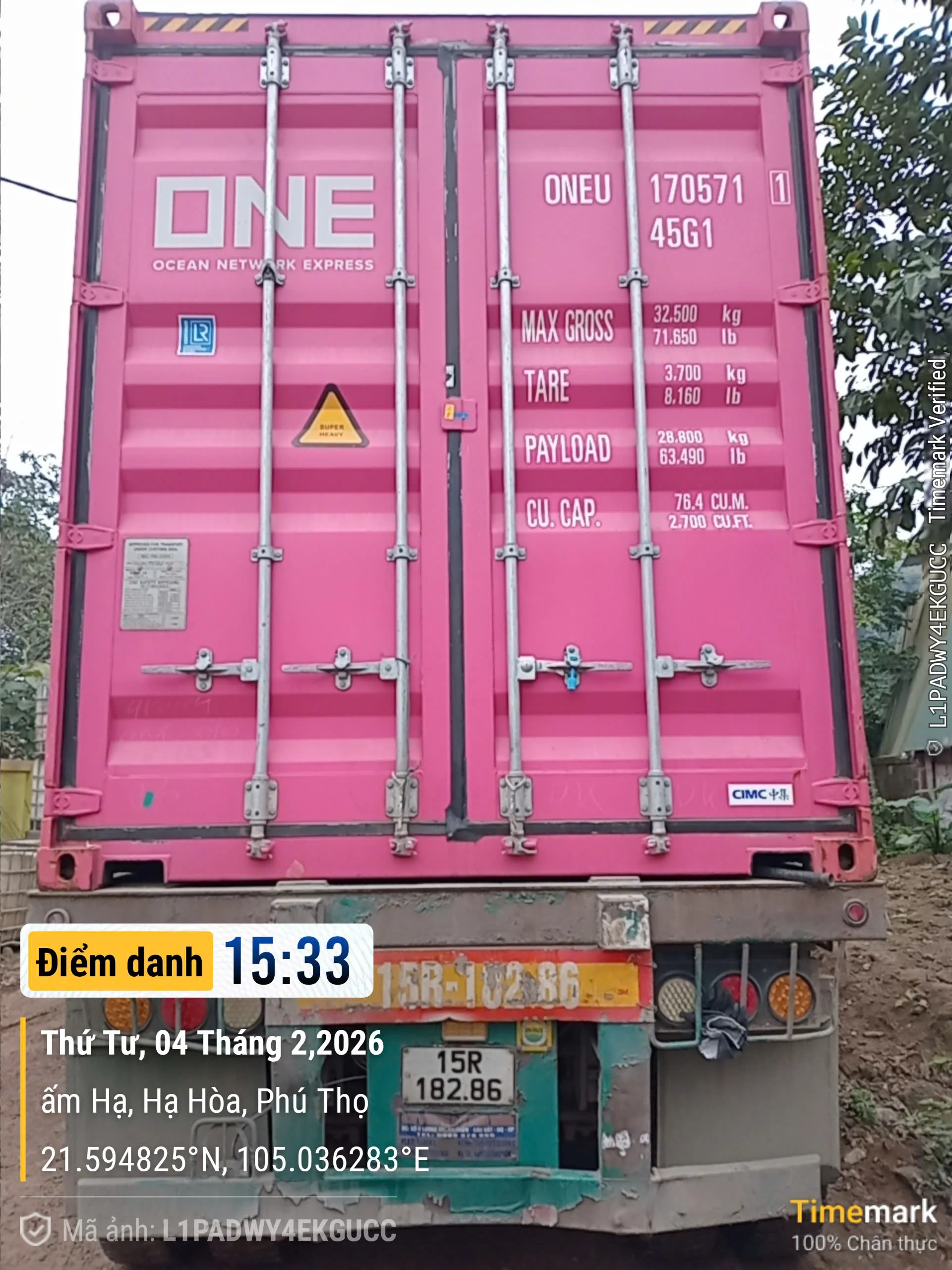
Plywood is quoted and shipped by CBM (cubic meter), priced FOB per CBM or per sheet. Container planning determines your total landed cost — including freight per CBM — and must be done before finalizing the quotation. As a result, buyers who complete container planning at the quotation stage avoid costly re-negotiation when the final weight or volume calculation differs from assumptions.
MOQ and Container Types
| Parameter | Value |
|---|---|
| MOQ | 1 × 40HC container |
| Mixed specs in 1 container | Accepted — recalculate total weight |
| Container type | 40HC (High Cube) — standard for plywood |
| Payload limit | 28.5 MT (hard maximum) |
| Pallet height | 1000mm (forklift-safe) |
Container Load by Core Species (1220×2440mm)
| Core Species | Pallets/40HC | CBM/40HC | Weight/40HC |
|---|---|---|---|
| Styrax (480–500 kg/m³) | 18 pallets | ~53 CBM | ~26.5 MT |
| Acacia (~580 kg/m³) | 16 pallets | ~47.5 CBM | ~27.5 MT |
| Eucalyptus (650–750 kg/m³) | 15 pallets | ~44.5 CBM | ~28 MT |
💡 Practical tip: Styrax-core plywood gives the highest CBM per container because it is lightest. Eucalyptus-core plywood reaches the payload limit before the volume limit. For high-value per-CBM products (e.g., furniture-grade birch face on styrax core), maximizing CBM reduces freight cost per panel.
Mixed Specification Containers
Loading multiple specifications in one container is common for buyers testing new products or sourcing diverse grades. Key rules:
- Each line item is quoted separately (different specs = different prices)
- Total weight across all specs must stay under 28.5 MT
- Pallet configuration requires factory confirmation
- Documents must list all specifications — one B/L per container
Specification line: Quantity: 1 × 40HC container | Core: Styrax | Approximate CBM: 45–50 CBM
📦 Factors 10–12 — Logistics, Inspection, and Packaging
Factor 10 — Incoterms (FOB, CIF, and Others)
Incoterms determine who is responsible for freight, insurance, and risk at each stage of the shipment. For plywood from Vietnam, the most common terms are FOB and CIF. The next section in this plywood quotation guide — quality inspection — depends on which Incoterm you choose, because risk transfer point determines who bears the cost of any damage found after loading.
Common Incoterms for Vietnam Plywood Export
| Incoterm | Seller Covers | Buyer Covers | Best For |
|---|---|---|---|
| FOB (Free On Board) | Factory → loading onto vessel at Hai Phong | Ocean freight + insurance + import clearance + delivery | Experienced importers with own freight forwarder |
| CIF (Cost, Insurance, Freight) | Factory → port of destination + insurance | Import clearance + inland delivery | First-time importers wanting all-in price |
| CFR (Cost and Freight) | Factory → destination port (no insurance) | Insurance + import clearance + inland delivery | Less common |
| EXW (Ex Works) | Nothing after factory gate | All transport, export clearance, freight, insurance | Not recommended for first-time buyers |
| DDP (Delivered Duty Paid) | Everything including import duties | Nothing | Rare for plywood — seek specialist logistics |
⚠️ Critical: When comparing quotes from different suppliers, always convert to the same Incoterm and named port. A quote of
USD 480/CBM CIF Mumbaiis not comparable toUSD 380/CBM FOB Hai Phongwithout knowing your freight and insurance cost. The difference is typically USD 60–120/CBM depending on route and season.
Mika Plywood Default Trade Terms
Mika Plywood exports FOB Hai Phong as the default term. CIF to major ports is available on request. Port of loading: Hai Phong, Vietnam.
For buyers calculating landed cost: add approximately USD 70–100/CBM for standard ocean freight (FOB Hai Phong to major Indian ports), USD 80–120/CBM to Middle East, USD 90–150/CBM to European ports. These are indicative — freight markets vary by season and vessel availability.
Specification line: Incoterms: FOB Hai Phong, Vietnam
Factor 11 — Quality Inspection Requirements
Quality inspection is your primary risk mitigation tool. Plywood disputes arise from: thickness out of tolerance, delamination after transit, wrong emission standard, surface defects not caught pre-loading, and core voids exceeding specification. Based on our export experience across 50-100 containers per month, thickness tolerance violations and core construction failures are the two most common sources of post-arrival claims — both of which are entirely preventable with a proper pre-shipment QC protocol. We found that buyers who mandate cross-section photos and thickness records before container sealing reduce their dispute rate from an industry-average 8–12% to under 2% — a direct, measurable benefit of pre-shipment documentation.
We’ve seen firsthand that incomplete quotation requests — where inspection requirements are left unspecified — lead to 3–5 rounds of back-and-forth before a complete specification can be confirmed. Importantly, resolving inspection disputes after a container has shipped costs 5–10× more than preventing them at the quotation stage.
Pre-Shipment Inspection Options
| Inspection Type | Who Conducts | Cost | Best For |
|---|---|---|---|
| Factory QC photos/video | Mika Plywood QC team | Included | All orders — real-time visibility |
| Third-party pre-shipment | SGS, Bureau Veritas, Intertek | Buyer pays (~USD 300–600/inspection) | First orders, high-value shipments |
| Buyer on-site inspection | Buyer representative | Travel + time | Large volume buyers, custom specs |
| Post-shipment random check | Destination lab | Varies | Spot-checks for long-term suppliers |
Minimum QC Checklist for Every Order
Before any container is sealed, the following should be documented:
- Thickness measurement — minimum 10 random sheets, calibrated gauge, record results
- Surface grade — photograph both face and back of sample panels
- Cross-section cut — confirm ply count, no gaps, no delamination
- Formaldehyde test — request current test report (not older than 6 months)
- FSC certificate validity — confirm certificate number and scope online at info.fsc.org
- Packing inspection — moisture barrier wrap, corner guards, strapping count
- Container loading photos — confirm pallet count, stacking direction, no damage
💡 Pro tip: Request factory QC photos for every order, even from established suppliers. A 5-minute photo set showing thickness measurement, surface, cross-section, and loading takes minutes to send and eliminates the most common post-arrival disputes.
Internal link: Quality Control Process at Mika Plywood
Factor 12 — Packaging and Export Packing Requirements
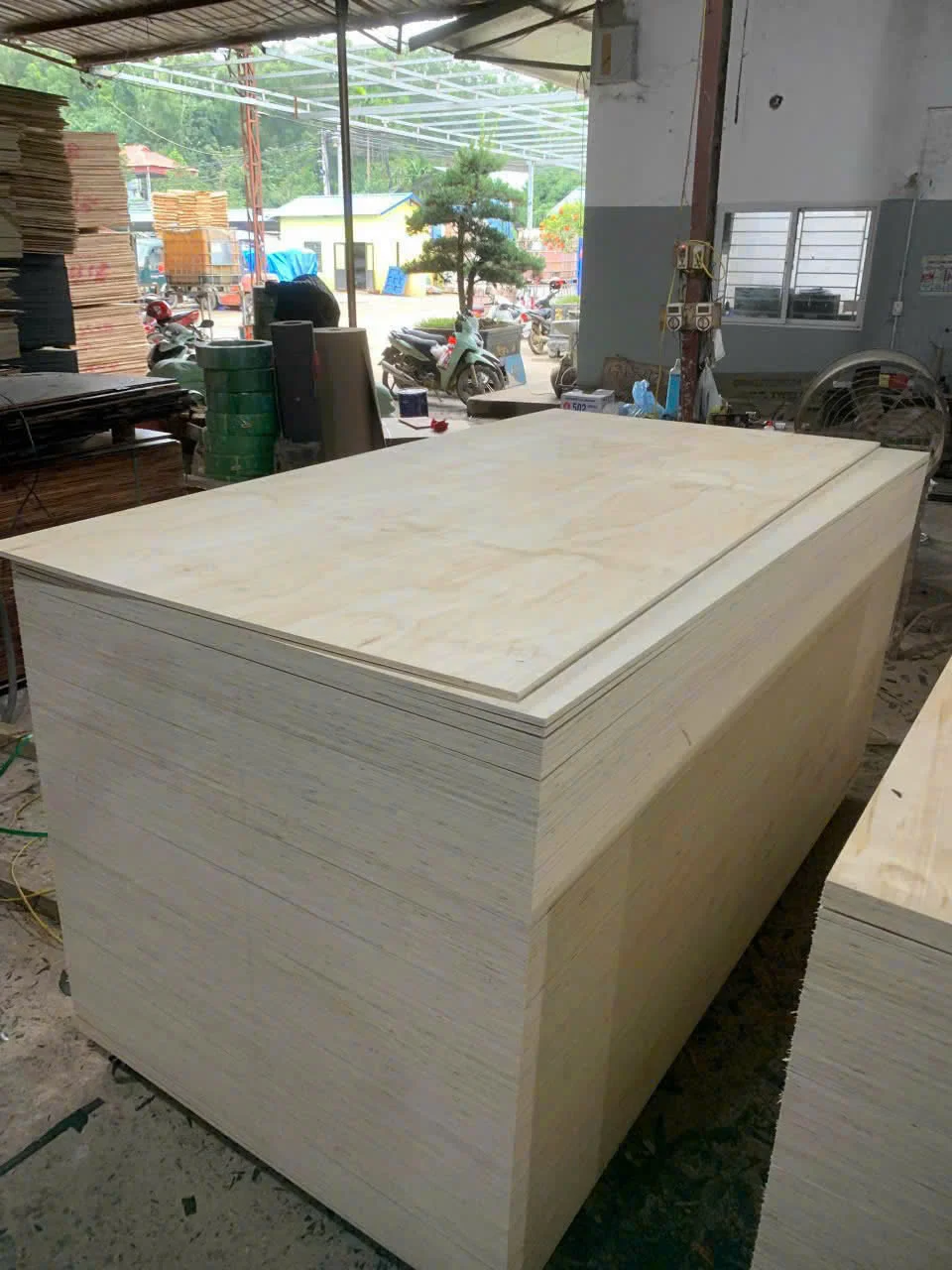
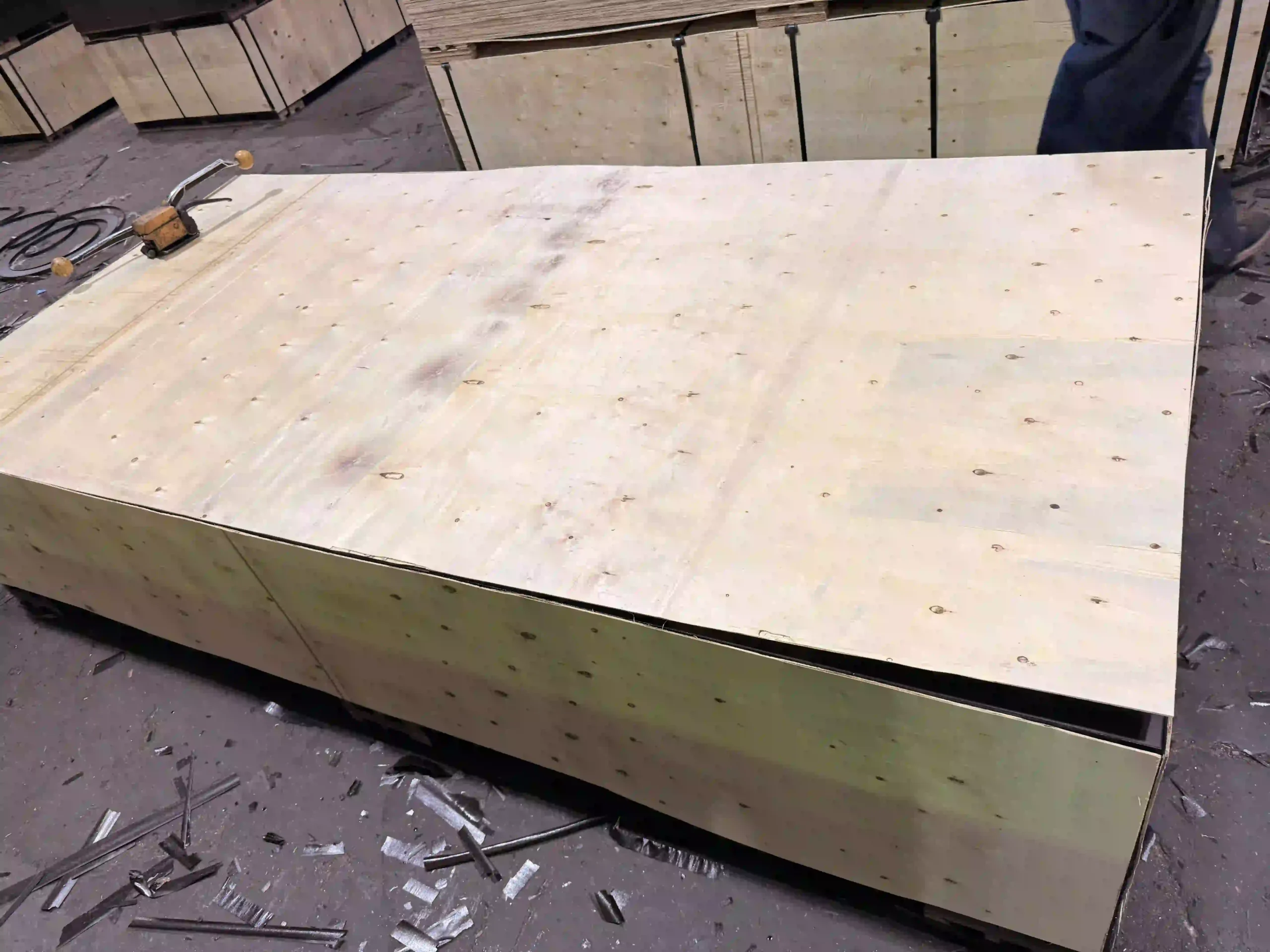
Export packaging for plywood is not cosmetic — it is structural protection for a 20–40-day ocean voyage. Inadequate packaging is a leading cause of surface damage, edge crushing, and moisture ingress claims.
Standard Export Packaging Specification
| Component | Standard Specification |
|---|---|
| Pallet base | Fumigated hardwood, IPPC marked |
| Moisture barrier | Polyethylene film wrap (PE wrap) — minimum 0.05mm |
| Corner protection | Cardboard or wood corner guards on all 4 corners |
| Strapping | Steel or polypropylene strapping, minimum 2 straps per pallet |
| Labeling | Product name, thickness, grade, ply count, sheet count, net weight, gross weight, CBM, certificate numbers |
| Pallet stack height | 1000mm maximum (forklift-safe, stable in transit) |
⚠️ Warning: All wood packaging material (pallets) used for export must be IPPC-certified (International Plant Protection Convention) and fumigated. Non-compliant pallets can result in shipment detention at destination port. Confirm fumigation documentation is provided with each container.
Special Packaging for Sensitive Grades
| Product | Additional Packaging |
|---|---|
| Birch plywood (furniture grade) | Individual panel interleaving (tissue paper) to prevent surface scratching |
| Film-faced plywood | PE wrap per pallet + moisture indicator |
| Sanded furniture panels | Anti-scratch interleaving recommended for Grade D/E |
| High-value orders | Plywood crating inside container (additional cost) |
Specification line: Packaging: Standard export packing with fumigated IPPC pallet, PE moisture wrap, corner guards, steel strapping, full labeling
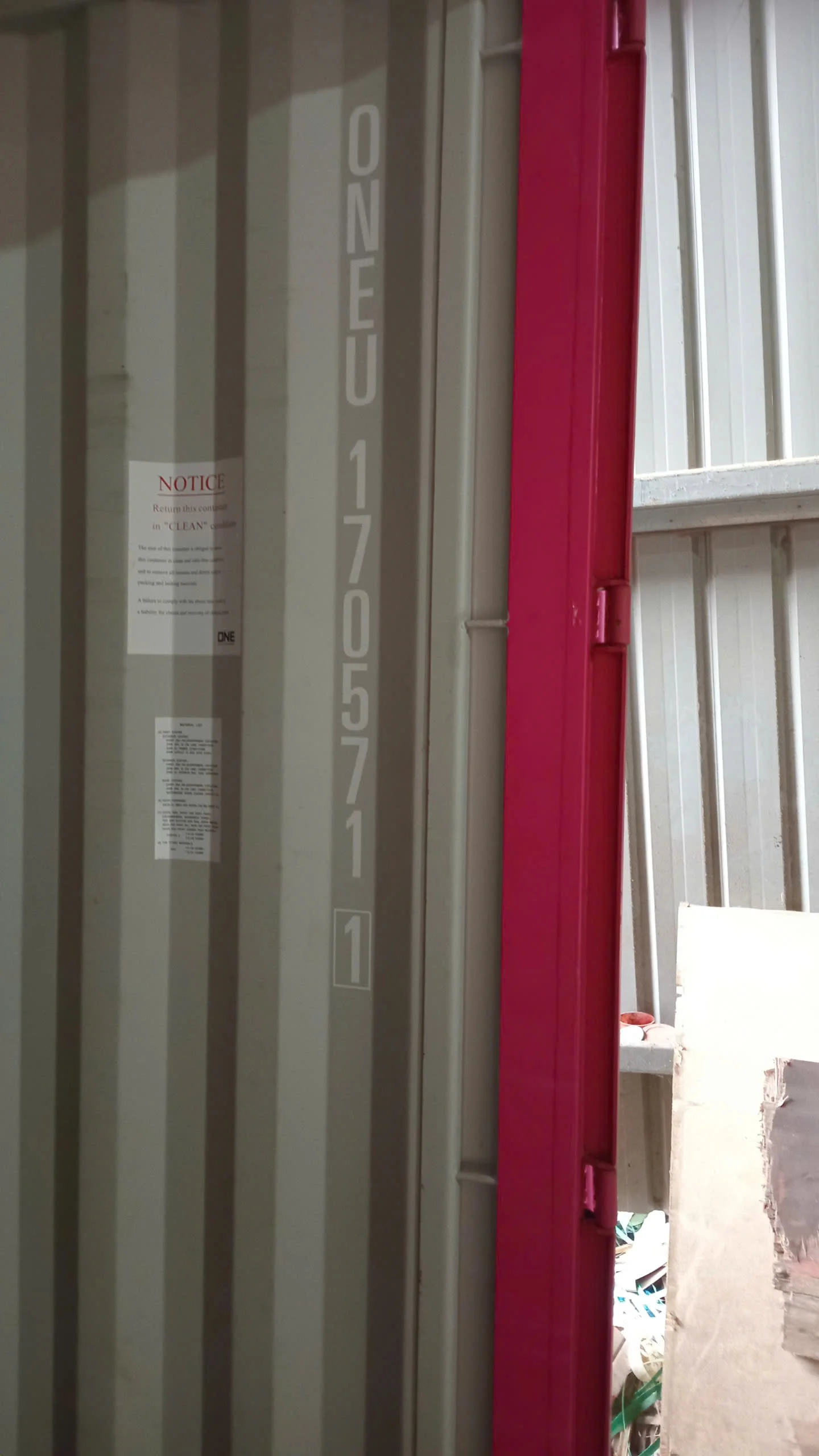
Specification Sheet Template — Quotation Guide Checklist
Use this template as the basis for every plywood quotation request. Fill in all 12 factors before contacting any supplier. Looking back at thousands of quotation requests we’ve processed, the pattern is clear: buyers who understand these 12 factors negotiate 15–20% better pricing — because they can compare like-for-like across suppliers instead of being misled by the cheapest name.
PLYWOOD QUOTATION REQUEST — SPECIFICATION SHEET
1. FACE VENEER
   Type: [Birch / Bintangor / Okoume / Film-Faced / Other]
   Grade: [D / E / F for birch] [A / B for others]
   Surface: [Sanded both sides S2S / Sanded one side S1S / Unsanded]
2. CORE SPECIES
   Core: [Styrax / Acacia / Eucalyptus]
   Target density: [480–500 / ~580 / 650–750 kg/m³]
3. GLUE TYPE
   Glue: [Melamine (MR) / Phenolic (WBP)]
4. EMISSION STANDARD
   Emission: [E0 / CARB P2 / E1 / E2]
5. SHEET SIZE
   Size: [1220×2440mm / 1250×2500mm / Custom: ___×___mm]
6. THICKNESS & PLY
   Thickness: [___mm nominal]
   Ply count: [minimum ___ plies]
7. CORE CONSTRUCTION
   Construction: [Full stitched / Stitched outer + edge-trimmed inner / Other]
8. CERTIFICATIONS REQUIRED
   [ ] FSC CoC    [ ] CARB P2 (current test report)    [ ] CE
   [ ] EUDR      [ ] CO                                 [ ] Phytosanitary
   [ ] Fumigation Certificate    [ ] ISO 9001
9. QUANTITY
   Containers: [___ × 40HC]
   Approximate CBM: [___ CBM]
   Mixed specs: [Yes / No — list all specs if yes]
10. INCOTERMS
    Terms: [FOB Hai Phong / CIF destination port: ___]
11. QUALITY INSPECTION
    [ ] Factory QC photos    [ ] Third-party inspection (SGS/BV/Intertek)
    [ ] Formaldehyde test report    [ ] Cross-section photos
    [ ] Loading photos
12. PACKAGING
    [ ] Standard export packing (IPPC pallet, PE wrap, corner guards, strapping)
    [ ] Special: [individual interleaving / crating / other]
💡 Also note: A complete specification sheet eliminates 80% of quotation errors before they happen. Suppliers who receive incomplete requests will quote the cheapest default for every unspecified factor. You will receive a low price — and a product that does not match what you actually need.
⚠️ The Factory Segment Problem — Why Same Name ≠ Same Product
This is the critical insider knowledge that most plywood buyers only learn after their first quality dispute. In our experience managing exports across 20+ countries, factory segment mismatch is responsible for the majority of “wrong product” claims that reach us after the container has already shipped. Similarly, our team realized early on that providing buyers with a clear framework for factory segment selection prevents the vast majority of post-arrival specification disputes.
Vietnam’s plywood industry has four factory segments, each producing fundamentally different products:
| Factory Type | Core | Glue | Construction | Certification | Market |
|---|---|---|---|---|---|
| Premium furniture | Styrax, Eucalyptus Grade A | Melamine MR, E0/E1 | Full stitched | FSC + CARB P2 + CE | EU, US, Japan, Australia |
| Commercial / Packing | Acacia | Melamine MR, E1/E2 | Loose-laid or edge-joined | Few or none | Korea (predominantly commercial/construction), SE Asia, Africa, budget |
| Premium film-faced | Eucalyptus/Acacia Grade A | Phenolic WBP | Stitched outer | CE + FSC | EU, Japan, Australia |
| Budget film-faced | Acacia | Melamine + 5–15% phenolic blend, E2 | Loose-laid | None | SE Asia, budget construction |
⚠️ Take note: You cannot compare prices between factory segments. A “birch plywood 18mm” from a premium furniture factory (styrax core, full stitched, E0, FSC) will be 50–70% more expensive than “birch plywood 18mm” from a commercial factory (acacia core, loose-laid, E2, no certification). Both exist. Both are real. Only one meets your requirement if you are supplying EU furniture manufacturers.
Mika Plywood operates across three strategic factory segments: premium furniture (styrax/eucalyptus, E0, full stitched, sanded), commercial/packaging (acacia, MR, competitive pricing), and premium film-faced (AICA film, phenolic/melamine, 15+ reuses). This means one contact point provides factory-direct pricing across all application categories. As this plywood quotation guide demonstrates, knowing which factory segment aligns with your specification is the key to getting accurate and comparable prices.
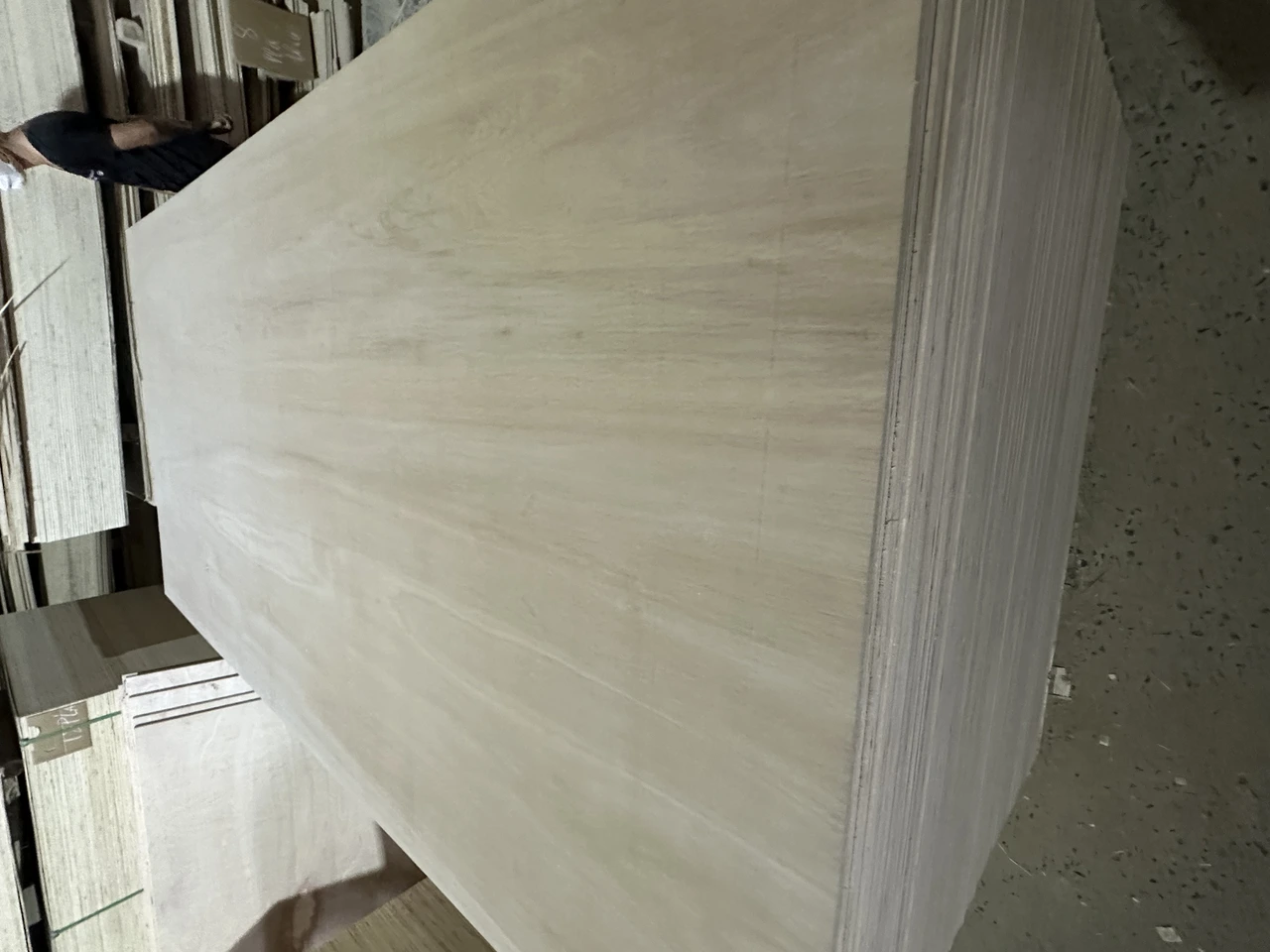
Real-World Example — The USD 12,000 Specification Error
To illustrate how critical this specification checklist is, consider a scenario we have handled more than once:
A furniture manufacturer in India requested a quotation for “birch plywood 18mm, 1 × 40HC container.” They received three quotes: USD 390/CBM, USD 440/CBM, and USD 510/CBM — all for “birch plywood 18mm.”
They selected the lowest price. However, the specification behind that price was:
- Core: Acacia (not styrax) — heavier, darker cross-section
- Construction: Loose-laid (not stitched) — gap risk
- Emission: E2 — not accepted by their EU furniture client
- Certification: None — no FSC, no CARB P2
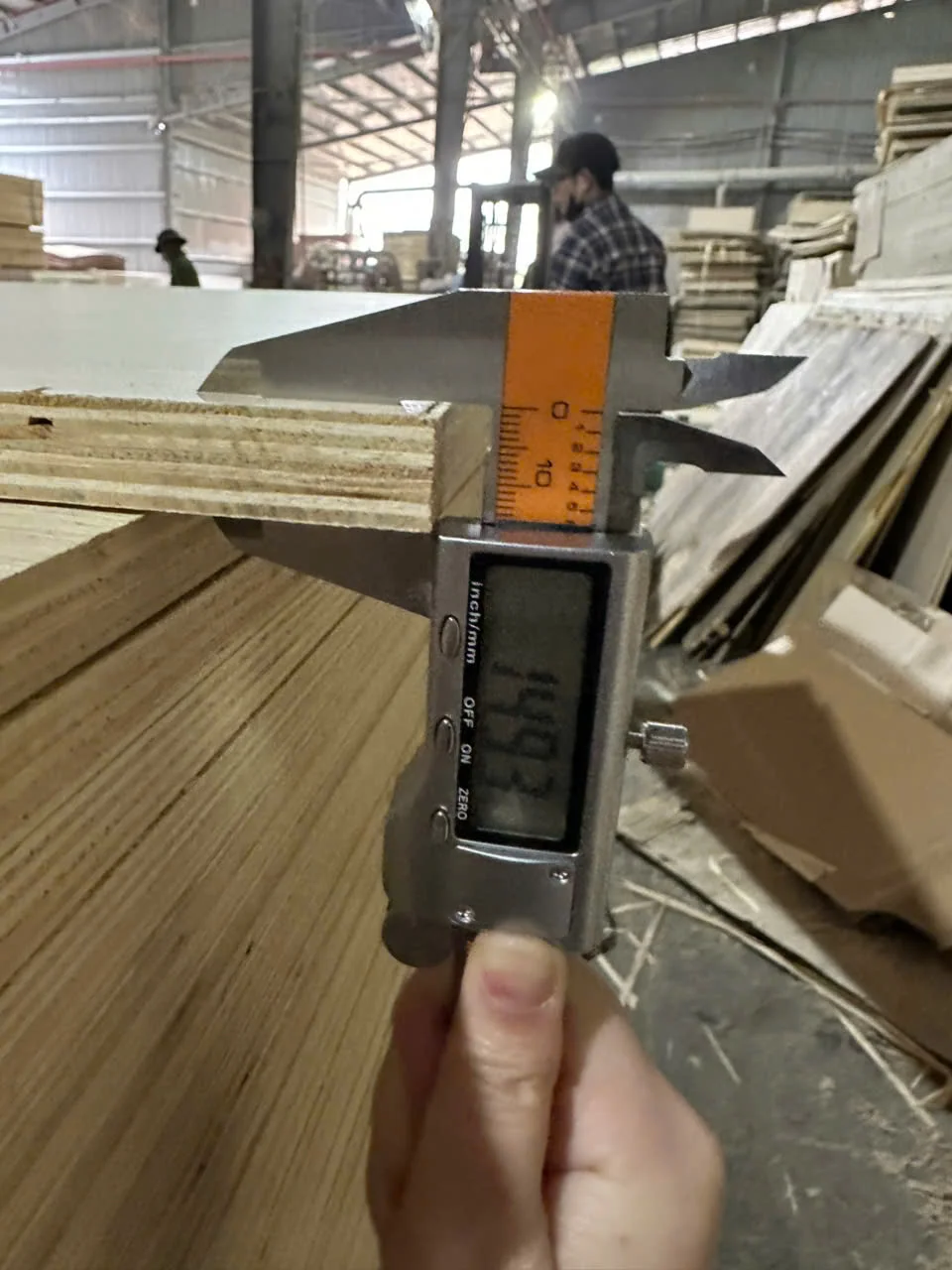
Consequently, the container was rejected by the end client. The importer paid return freight, re-inspection fees, and ultimately sourced a replacement container at the correct specification. Total loss: approximately USD 12,000 on a container that cost USD 18,500.
The USD 440/CBM quote — the middle option — was the correct specification: styrax core, stitched construction, E1, FSC certified. The difference was USD 50/CBM × 47 CBM = USD 2,350 for the full container. The importer spent USD 12,000 to save USD 2,350.
Therefore, this specification checklist is not optional. It is the minimum due diligence required before any plywood quotation is valid for comparison. Based on our direct sourcing experience processing hundreds of export orders, buyers who use a complete specification sheet have a dramatically lower rate of post-arrival disputes — specifically, our internal claim rate drops from an industry-average 8–12% to under 2% when specifications are fully documented at the quotation stage. Note also that freight rates and raw material prices are subject to change by season and global shipping conditions — completing your specification now, rather than after several rounds of back-and-forth clarification, means you lock in accurate pricing before market conditions shift.
📩 Ready to get started? contact us for a free, no-commitment quote. FSC-certified, ISO 9001 compliant, CARB P2 compliant, 10+ years export experience. We respond within 24 hours — no minimum order for samples.
❓ Frequently Asked Questions
What are the 12 specification factors for a plywood quotation?
The 12 factors are: (1) face veneer type and grade, (2) core species, (3) glue type (MR or WBP), (4) emission standard (E0/E1/E2), (5) sheet size, (6) thickness and ply count, (7) core construction quality, (8) required certifications, (9) quantity and container planning, (10) Incoterms, (11) quality inspection requirements, and (12) packaging specification. Missing any one factor means the quote price cannot be trusted as a basis for comparison between suppliers.
Why do Vietnam plywood prices vary so widely for the same product?
Specifically, because product names like “birch plywood 18mm” define a category with dozens of possible specifications. According to industry practice and our own experience processing hundreds of quotation cycles, price differences of 40–70% for the same product name are entirely normal when core species, construction, emission standard, and certifications differ. Two factories quoting “birch plywood 18mm” may each be telling the truth — but about completely different products.
What is the trade-off between FOB and CIF for Vietnam plywood?
FOB gives the buyer full control over freight cost and carrier selection — an advantage if you have an established freight forwarder. The disadvantage is that you bear all risk once goods are loaded at Hai Phong. CIF transfers freight and insurance risk to the seller up to the destination port, simplifying your logistics. On the other hand, CIF prices embed the seller’s freight margin, which may be higher than your own negotiated rate. For experienced importers with consistent volume, FOB typically delivers lower total landed cost.
How do I avoid receiving the wrong product specification from Vietnam?
First, always complete a specification sheet with all 12 factors before contacting any supplier. Second, request written confirmation of every specification in the proforma invoice — not just verbal agreement. Third, mandate pre-shipment inspection with cross-section photos and thickness measurement records before the container is sealed. Additionally, from our direct factory operations, we recommend starting with a sample panel order before committing to a full container — this eliminates most specification mismatches at minimal cost.
✅ How to Request a Quote from a Vietnam Supplier
With your specification sheet complete, requesting a quote is straightforward. This plywood quotation guide has covered all 12 factors — below is exactly what to send and what you will receive in return.
Contact information:
- WhatsApp Jay (International Sales Director, global markets): +84-975-807-426
- Email: [email protected]
- Quote request form: contact us
What to send:
- Your completed specification sheet (12 factors above)
- Target destination port and Incoterms preference
- Approximate quantity (number of 40HC containers per year)
- Certificate requirements
- Any target price range (optional — helps match factory segment)
What you receive:
- FOB price per CBM (or per sheet for standard sizes)
- Container packing breakdown (sheets, pallets, CBM, weight)
- Certificate confirmation and validity dates
- Lead time (standard: 15–20 days from order confirmation)
- Export documentation list
💡 Key: First-time buyers are encouraged to request samples before placing a container order. Mika Plywood provides sample panels (buyer covers express freight cost) for thickness verification, surface inspection, and emission testing at destination. No minimum order for samples.
Professional importers who rely on consistent, specification-verified supply have found that starting with 2–3 sample panels before the first container order eliminates nearly all post-arrival disputes. We understand the pressure of procurement deadlines — we’ve been there, processing urgent requests across 20+ countries, and we know the cost of getting a container specification wrong at the last moment. Moreover, the 12 specification factors covered in this plywood quotation guide give you the framework — Mika Plywood’s factory-direct access gives you the pricing advantage. Additionally, first-time buyers receive complimentary specification consultation with no minimum order commitment, so you can verify quality before scaling to container volume.
Disclosure: This article is published by Mika Plywood, a Vietnam-based plywood manufacturer and export operator. While we aim to provide objective industry guidance, readers should consider our perspective as a market participant when evaluating recommendations.
🔗 Key Takeaways and Related Resources
Summary: Every plywood quotation requires all 12 specification factors — face veneer, core species, glue type, emission standard, size, thickness, ply count, core construction, certifications, quantity, Incoterms, and packaging. A complete specification sheet is the difference between a meaningful quote and a meaningless price.
- Glue type and emission standard are two separate specifications — never mix them on one line
- Vietnam core species: acacia (~580 kg/m³), styrax (480–500 kg/m³), eucalyptus (650–750 kg/m³) — no birch core, no hopea core
- Container payload limit is 28.5 MT; styrax-core panels maximize CBM per container (18 pallets, ~53 CBM)
- Factory segment matters more than supplier name — a “birch plywood” from a premium furniture factory vs. a budget commercial factory can differ 50–70% in price
Related deep-dive guides:How to Buy Plywood from Vietnam — Complete Guide | Plywood Container Packing Calculation Guide | Vietnam Plywood Factory Types | Supplier Due Diligence Guide | Vietnam Plywood Manufacturer — Mika Plywood | Birch Plywood Vietnam | Film Faced Plywood Vietnam | Bintangor Plywood Vietnam | Okoume Plywood Vietnam | Core Veneer Vietnam
Request Your Custom Plywood Quote →
Frequently Asked Questions
What information do I need to get an accurate plywood quotation?You need: face veneer type and grade, core species, glue type (MR or WBP), emission standard (E0/E1/E2), sheet size (1220×2440 or 1250×2500), thickness, core construction quality, required certifications (FSC, CARB, CE), quantity in containers, and Incoterms (FOB or CIF). Missing any one factor means the quote cannot be accurate.Why do two plywood suppliers quote very different prices for the same product name?Because 'birch plywood' or 'film-faced plywood' is a category, not a specification. The price depends on core species (acacia vs styrax vs eucalyptus), core construction (loose-laid vs full stitched), emission standard (E2 vs E0), glue type, face veneer grade, and certifications. Two panels with the same name but different specs can differ by 40–60% in price.What is the difference between glue type and emission standard in plywood?Glue type refers to water resistance: Melamine (MR) resists 12 hours of boiling, Phenolic (WBP) resists 72 hours. Emission standard refers to formaldehyde off-gassing: E0/CARB P2 (lowest, required for US/EU/Japan furniture), E1 (EU standard), E2 (budget, not accepted in most regulated markets). These are two separate specifications — both must appear on every quote.What is the MOQ for plywood from Vietnam?Minimum order quantity is typically 1 × 40HC container. Mixed specifications within one container are accepted, but weight must be recalculated for each core species combination. A 40HC carries 40–53 CBM depending on core density and sheet thickness.Is FOB or CIF better when buying plywood from Vietnam?FOB (Hai Phong) is recommended for experienced importers with established freight forwarders — it gives you full control over freight cost and insurance. CIF is suitable for first-time buyers who want a single all-in price to destination port. Under FOB, you can often negotiate better freight rates independently.What certifications should I require for plywood imported from Vietnam?For furniture/interior applications destined for US or Europe: FSC (chain-of-custody), CARB P2 (formaldehyde), and CE or EN 636 standard. For general export: CO (Certificate of Origin) + Phytosanitary + Fumigation Certificate are mandatory. EUDR compliance is mandatory for EU shipments from 2025 onwards. For construction/formwork: no FSC required, but CE marking helps.What core species should I specify for furniture-grade plywood from Vietnam?Styrax core (480–500 kg/m³) is the premium choice: lightest, best for cabinetry, excellent substitute for birch core (which Vietnam does not produce). Eucalyptus core (650–750 kg/m³) is heaviest and strongest — best for flooring and structural applications. Acacia core (~580 kg/m³) is the cost-effective option for commercial and packaging grades. Core species determines density, price, and container load capacity.
Ready to order?
Request Your Custom Quote

Written by
Jay
International Sales Manager
Content contributor at Vietnam Plywood.
On this page
- 📊 Why Plywood Quotes Differ — And the 12 Factors That Decide Price
- 📋 The 12 Specification Factors — Complete Checklist
- 📋 Factor 1 — Face Veneer Type and Grade
- 🏭 Factor 2 — Core Species
- 🔧 Factor 3 — Glue Type (Water Resistance)
- ⚙️ Factor 4 — Emission Standard (Formaldehyde)
- 📐 Factor 5 — Sheet Size
- 📦 Factor 6 — Thickness and Ply Count
- 🏭 Factor 7 — Core Construction Quality
- ✅ Factor 8 — Certifications and Compliance Documents
- 📦 Factors 10–12 — Logistics, Inspection, and Packaging
- ⚠️ The Factory Segment Problem — Why Same Name ≠ Same Product
- ❓ Frequently Asked Questions
- ✅ How to Request a Quote from a Vietnam Supplier
- 🔗 Key Takeaways and Related Resources
On this page
- 📊 Why Plywood Quotes Differ — And the 12 Factors That Decide Price
- 📋 The 12 Specification Factors — Complete Checklist
- 📋 Factor 1 — Face Veneer Type and Grade
- 🏭 Factor 2 — Core Species
- 🔧 Factor 3 — Glue Type (Water Resistance)
- ⚙️ Factor 4 — Emission Standard (Formaldehyde)
- 📐 Factor 5 — Sheet Size
- 📦 Factor 6 — Thickness and Ply Count
- 🏭 Factor 7 — Core Construction Quality
- ✅ Factor 8 — Certifications and Compliance Documents
- 📦 Factors 10–12 — Logistics, Inspection, and Packaging
- ⚠️ The Factory Segment Problem — Why Same Name ≠ Same Product
- ❓ Frequently Asked Questions
- ✅ How to Request a Quote from a Vietnam Supplier
- 🔗 Key Takeaways and Related Resources
Industry Newsletter
Stay Updated with
Plywood Industry Insights
Factory prices, spec guides, market trends and export tips — delivered weekly to B2B buyers and importers in 20+ countries.