Melamine MR grade plywood for furniture: what the 12h boiling test proves and how E0/E1/E2 emission works independently from glue type.
Melamine glue plywood — sold under the trade code “MR grade” — accounts for over 60% of all furniture-grade plywood shipped from Vietnam (Mika Plywood production data, 2026). Yet the terminology causes consistent confusion at the purchase order stage. Buyers write “MR E0” as a single line item, treating water resistance and formaldehyde emission as the same specification. They are not. Understanding how they work independently is the difference between specifying correctly the first time and receiving a non-compliant container.
This guide focuses specifically on MR grade melamine plywood — what the 12-hour boiling test actually measures, how emission classes layer on top of the glue type, and which combination to specify for furniture markets in Europe, the US, Japan, and Asia.
⚠️ Important: MR (Moisture Resistant) = adhesive type. E0/E1/E2 = emission class. These are two separate dimensions of specification. A plywood panel has both — one does not determine the other.
🔬 What Is Melamine Glue? The Chemistry Behind MR Grade
Melamine glue is a thermosetting resin based on melamine-urea formaldehyde (MUF) chemistry. During hot pressing, the resin cures under heat (110–120°C) and pressure, forming a cross-linked polymer network that bonds veneer layers permanently (EN 314-2, European Plywood Standard, 2023).
The cured bond has three properties that make it the dominant adhesive for furniture plywood:
- Moisture resistance — withstands ambient humidity and intermittent water contact without bond failure
- Light glue line — cured melamine resin is pale or nearly invisible, preserving edge aesthetics for furniture applications
- Emission control flexibility — resin chemistry can be adjusted to reach E0, E1, or E2 formaldehyde emission levels
The commercial abbreviation “MR” (Moisture Resistant) describes the performance outcome, not the precise chemistry. When suppliers quote “MR grade plywood,” they mean the panel uses melamine-based adhesive and passes the 12-hour boiling water test defined under EN 314-1.
Key Insight: Melamine resin replaced urea-formaldehyde (UF) resin as the standard for furniture plywood because MUF produces lower baseline formaldehyde emissions and better moisture resistance at comparable cost. Pure UF adhesive is now considered obsolete for export furniture grades (Mika Plywood technical team, 2026).
⏱️ The 12-Hour Boiling Test: What It Measures and What It Proves
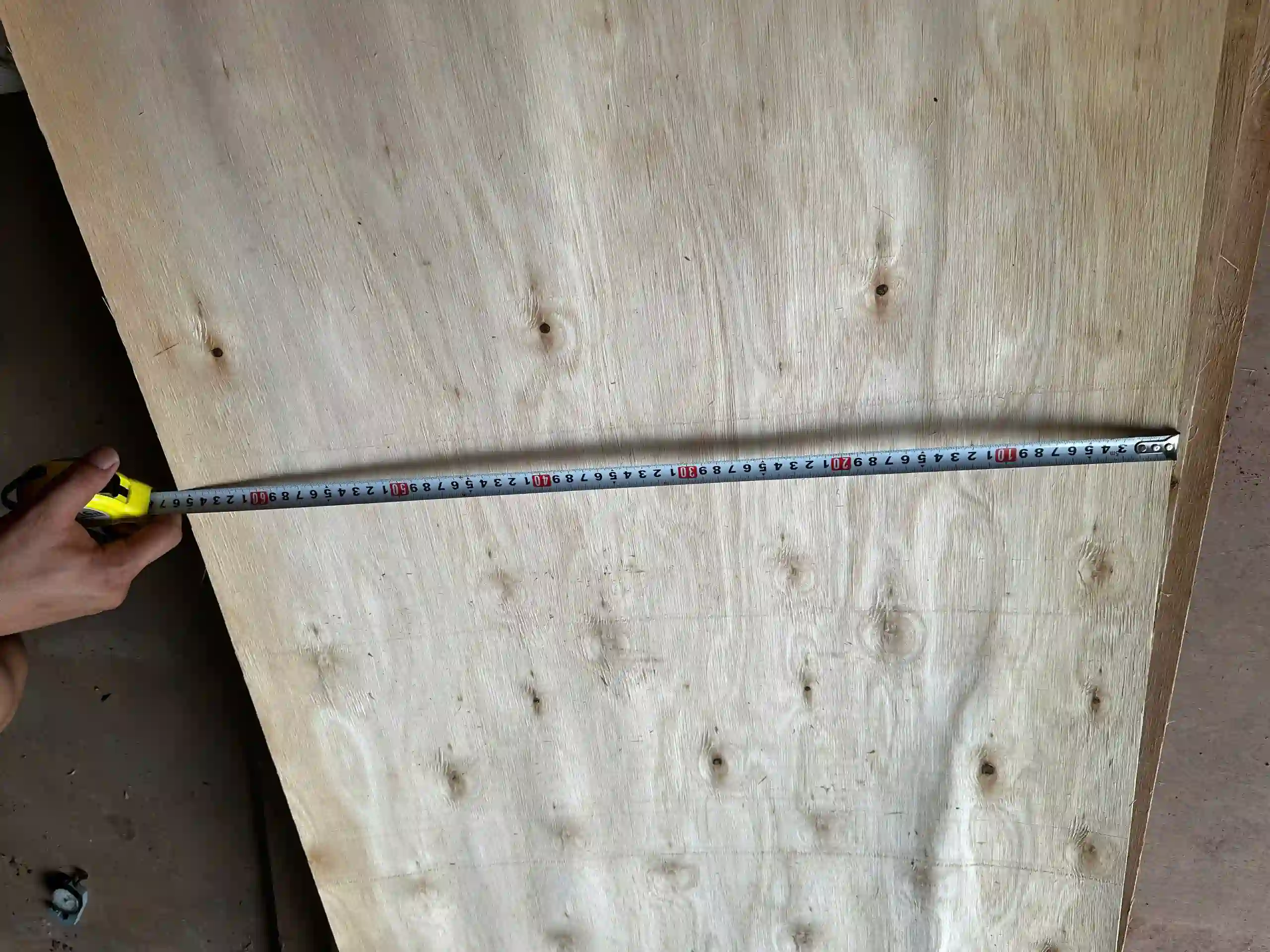
The 12-hour boiling test is the defining quality gate for MR grade plywood. Here is the exact procedure:
“Glue type and emission class are two completely separate specifications. Melamine (MR) and phenolic (WBP) describe moisture resistance. E0, E1, E2 describe formaldehyde emissions. A panel can be WBP-bonded and E1-rated at the same time.” — David, Export Project Leader, Mika Plywood
- Cut test samples (typically 75mm × 75mm) from representative panels across the production lot
- Immerse samples in boiling water (100°C) for 12 continuous hours
- Remove samples and dry at 60°C for 3 hours
- Inspect each glue line for delamination — length and depth measured against pass/fail criteria
Pass criteria (EN 314-1): No individual delamination longer than 25mm per glue line, and total delamination per glue line below 25% of glue line length.
What this test proves: The adhesive bond holds structural integrity through extreme moisture stress — 12 hours at 100°C represents conditions far beyond what indoor furniture encounters in normal use. Passing the 12-hour test confirms the panel will perform reliably in kitchens, bathrooms, humid storage rooms, and tropical climates.
What this test does not prove: Formaldehyde emission level. A panel can pass the 12-hour boiling test at E2 (high emission) or E0 (ultra-low emission). The boiling test is a water resistance test only.
| Test | Standard | Duration | Grade |
|---|---|---|---|
| 12-hour boiling water | EN 314-1, Class 2 | 12 hours at 100°C | MR (Melamine) |
| 72-hour boiling water | EN 314-1, Class 3 | 72 hours at 100°C | WBP (Phenolic) |
| Cold water soak | EN 314-1, Class 1 | 24 hours at 20°C | Interior only (UF-based) |
For a full comparison between MR and WBP (phenolic) adhesive across 7 specification factors, request the technical datasheet from our export team or see the product listing at Vietnam Plywood — Full Product Range.
📊 E0, E1, E2: How Emission Classes Work With MR Adhesive
Formaldehyde emission class measures how much formaldehyde gas the cured panel releases into indoor air — typically tested by immersing a sample in water and measuring the formaldehyde concentration in the liquid (perforator test, EN 120) or by measuring gas concentration in a test chamber (EN 717-1).
The adhesive resin formulation determines emission outcome. A single MR adhesive product line can be adjusted to produce E0, E1, or E2 panels by changing:
- Resin-to-hardener ratio
- Melamine-to-urea ratio in the MUF chemistry
- Press temperature and time (affects degree of cure)
- Formaldehyde scavengers added to the glue mix
This is why glue type and emission class are always quoted separately. Specifying “MR” alone tells the factory the water resistance target. It says nothing about emission.
Emission Class Reference Table (2026)
| Class | Formaldehyde Limit | Test Method | Market Compliance |
|---|---|---|---|
| E0 | ≤0.5 mg/L (liquid) | EN 120 / EN 717-1 | EU premium, US (≈CARB P2), Japan F4★, Korea |
| E1 | ≤1.5 mg/L (liquid) | EN 120 / EN 717-1 | EU standard mandatory minimum, most Asian markets |
| E2 | ≤5.0 mg/L (liquid) | EN 120 / EN 717-1 | Some Asian commercial/packaging, NOT acceptable for EU/US interior |
(Source: EN 13986:2004 + CARB ATCM 93120.2, California Air Resources Board, 2023)
⚠️ Note: E2 plywood may not be imported for interior applications in the EU or US. Furniture, cabinets, and flooring exported to these markets require E1 minimum (EU) or CARB P2 / E0 equivalent (US). Specifying E2 for interior furniture to developed markets risks customs rejection and product recalls.
🪑 Which MR Grade Specification for Which Furniture Market?
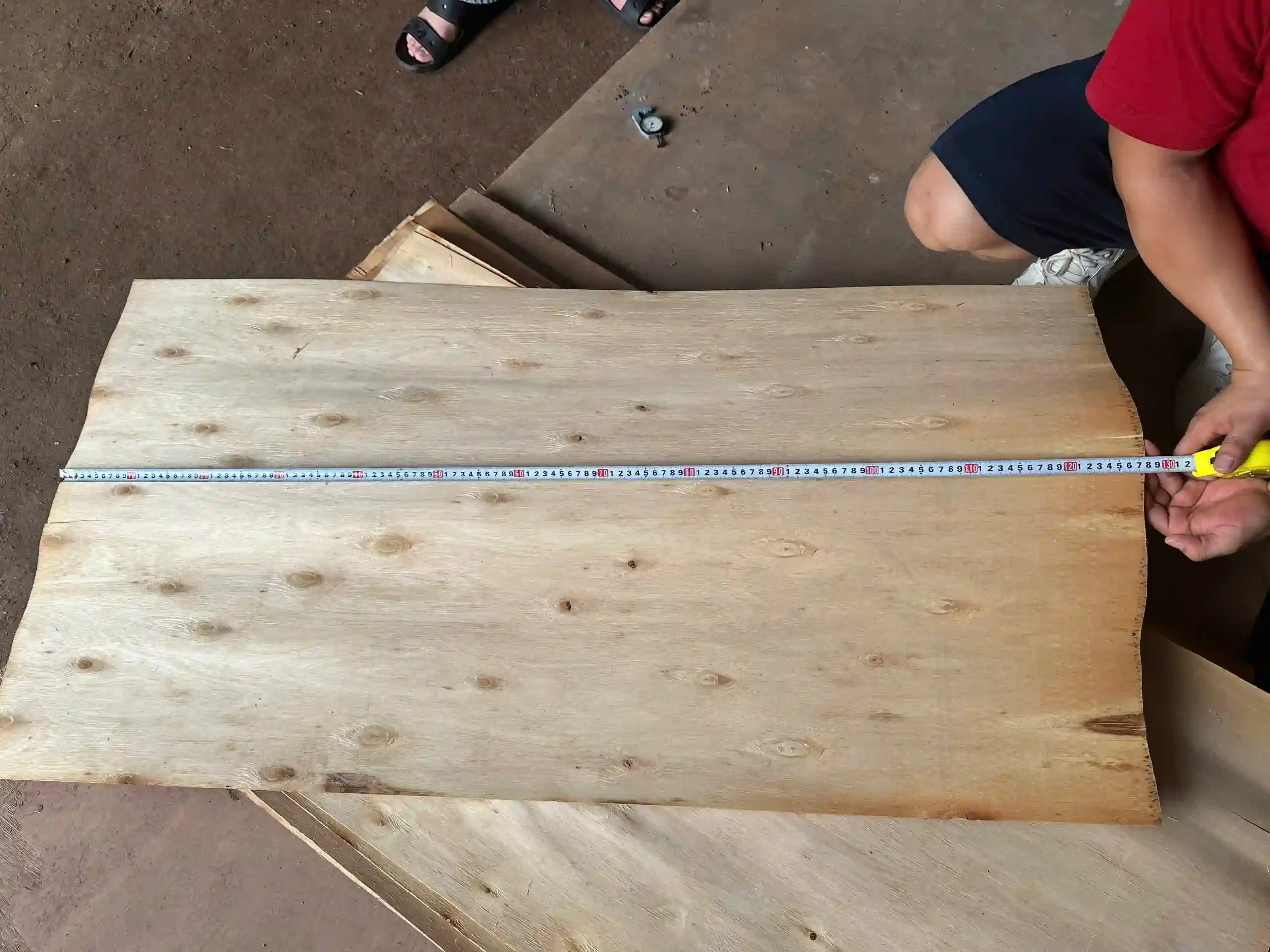
Different export markets have different binding requirements. The table below maps minimum legal standards plus the upgrade that experienced buyers request:
| Market | Legal Minimum | Recommended | Notes |
|---|---|---|---|
| EU (all countries) | MR / E1 | MR / E0 | E0 practically required for Germany, Scandinavia, Netherlands |
| USA / California | MR / CARB P2 (≈E0) | MR / CARB P2 | Federal TSCA Title VI = equivalent requirement nationwide |
| Japan | MR / F4★ (≈E0) | MR / F4★ | JAS certification preferred; JIS A 5908 governs |
| South Korea | MR / E0 | MR / E0 | Ministry of Environment regulation, effective 2023 |
| India | MR / E1 | MR / E1 | BIS ISS:303 references; E1 standard for commercial furniture |
| Southeast Asia (commercial) | MR / E1 | MR / E1 | Price-sensitive; E1 standard accepted |
| Middle East (construction fitout) | MR / E1 | MR / E0 | Gulf premium furniture increasingly specifies E0 |
“Jay, our International Sales Manager at Mika Plywood, puts it plainly: ‘When buyers say they want E0 furniture plywood for Europe, we confirm two things in the same breath — MR adhesive for the 12-hour water resistance, and E0 emission class from our certified furniture facility. One line on the spec sheet, two separate parameters. Mixing them up costs buyers a container.’”
Action for buyers: Your purchase order should always specify both axes:
Glue:     Melamine (MR) — 12h boiling test, EN 314-1 Class 2
Emission: E0 (≤0.5 mg/L) — per EN 120 / EN 717-1 with test cert
🏭 How Vietnamese Factories Produce MR Grade E0 Furniture Plywood
At Mika Plywood’s furniture-segment production facility in Phu Tho Province, Northern Vietnam, MR grade E0 panels are produced under controlled parameters:
Core species: Styrax (480–500 kg/m³) or eucalyptus (650–750 kg/m³) — both native to Northern Vietnam’s plantation forests. The core species determines panel weight and container loading efficiency, not the emission class (Mika Plywood production data, 2026).
Core construction: Full stitched — all veneer layers machine-sewn, no gaps or overlaps. This construction quality is critical because gaps create voids where delamination initiates under moisture stress.
Adhesive application: Melamine-urea formaldehyde resin (MUF) applied by roller spreader at controlled gram-per-square-metre loading. E0 specification requires tighter resin control than E1 — higher melamine-to-urea ratio, lower free formaldehyde content.
Hot pressing: 110–120°C, 10–14 kg/cm² pressure, press time calibrated to panel thickness. Under-pressing causes incomplete cure and higher formaldehyde off-gassing. This is the most common source of emission failures from lower-tier factories.
Sanding: Wide-belt sanding to ±0.3mm thickness tolerance, smooth surface for direct lamination or veneer bonding. All furniture-grade MR panels are sanded — a distinction from packing or commercial grade.
QC gate: Boiling water test samples from each production lot. Emission test certificates from accredited labs (SGS, Intertek, or Bureau Veritas) available on request.
For reference on birch-face or okoume-face furniture plywood built on this same MR E0 foundation, see Birch Plywood Vietnam and Okoume Plywood Vietnam.
📋 MR Grade Plywood: Common Face Veneer Options for Furniture
The melamine MR glue system is compatible with all face veneer species used in furniture production. Face veneer and adhesive type are independent specifications — “MR grade” describes the bond, not the surface.
Common face options available with MR E0 specification from Vietnam:
| Face Veneer | Common Application | MR E0 Available? |
|---|---|---|
| Birch D/E | Premium cabinets, kitchen cabinetry | Yes |
| Okoume A/B | Furniture, European interiors | Yes |
| Bintangor A/B | Commercial plywood, Asian markets | Yes |
| EV (Engineered Veneer) | Consistent-grain premium furniture | Yes |
| Eucalyptus A/B | Mid-range furniture, Asia Pacific | Yes |
| Matt (unfaced) | Lamination substrate (HPL/PVC) | Yes |
For Bintangor Plywood Vietnam with MR adhesive, note that MR E1 is standard and MR E0 carries a price premium of approximately 15–20% over E1 equivalent panels (Mika Plywood production data, 2026).
💡 3 Specification Mistakes MR Grade Buyers Make
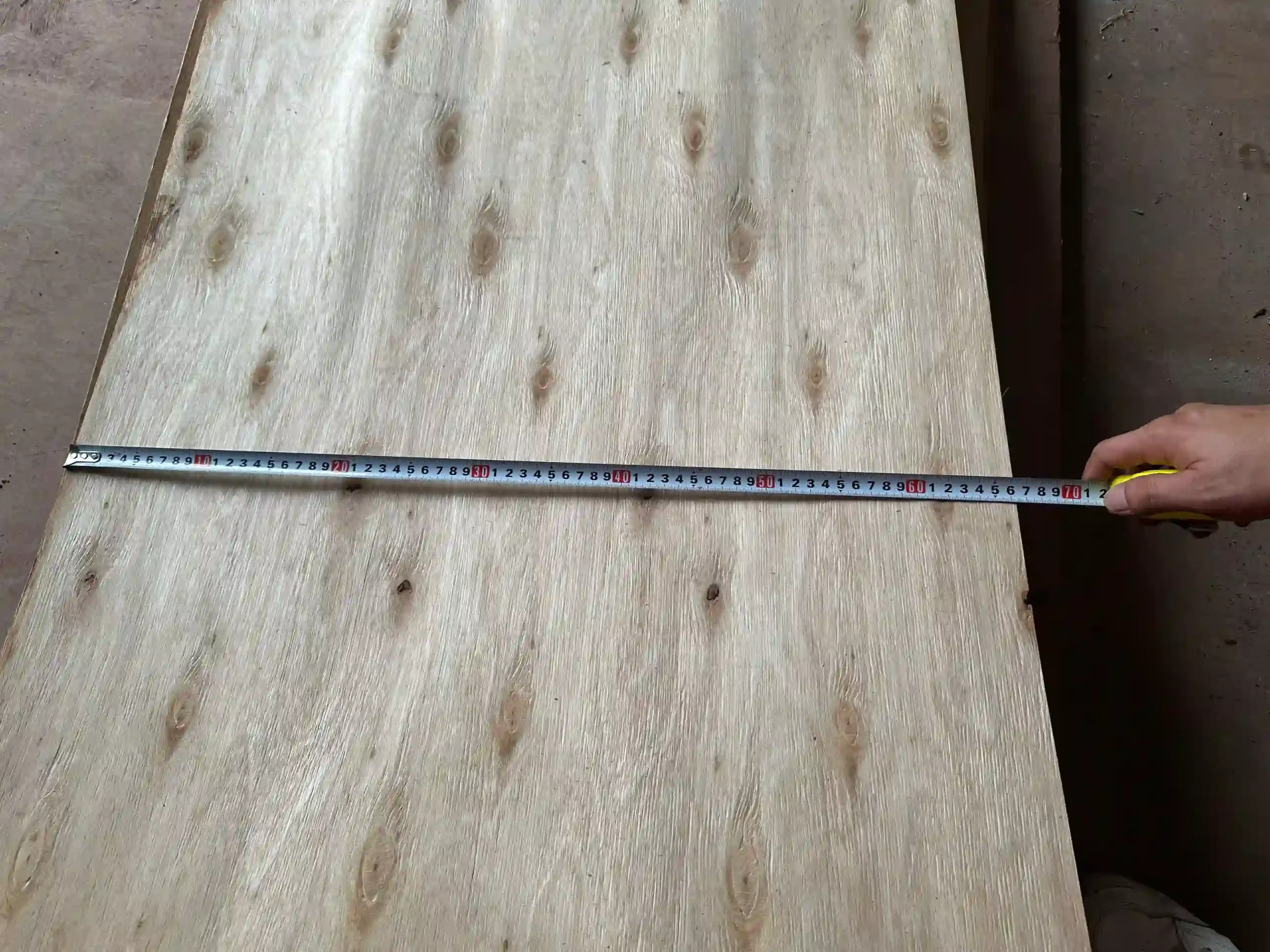
Mistake 1: Writing “MR E0” as one code
E0 alone does not describe adhesive type — for clarification on E0 vs CARB P2 emission standard differences, see our dedicated guide. “MR E0” is correct shorthand only if both parameters are understood separately. On a formal purchase order, always write: Glue: Melamine (MR) | Emission: E0. Factories treat these as two independent production parameters. Ambiguous orders produce the cheaper default.
Mistake 2: Assuming MR grade means waterproof
MR grade survives 12 hours of boiling water — this demonstrates bond durability under moisture stress, not waterproofing for prolonged wet exposure. MR grade furniture plywood placed in continuous wet-contact conditions (outdoor decking, boat interiors, concrete formwork) will delaminate over time. Prolonged direct water exposure requires WBP phenolic adhesive. For a direct comparison of the two systems, see WBP glue vs MR glue — which suits your needs.
Mistake 3: Specifying E2 for furniture export to EU or US
E2 plywood is 30–40% cheaper than E0 equivalent, which attracts buyers focused on short-term landed cost. EU and US customs authorities test incoming furniture shipments for formaldehyde compliance. An E2 shipment destined for EU furniture markets faces rejection, destruction costs, and supplier delisting. The savings do not justify the risk. Specify E1 minimum, E0 for premium markets.
🔗 MR Grade Plywood in the Broader Glue & Emission Framework
MR grade sits at the intersection of two specification axes — for the complete framework covering both glue types and emission standards, see the plywood glue types and emission standards guide:
WATER RESISTANCE AXIS        EMISSION AXIS
Interior UF (Class 1)        E2  →  E1  →  E0  →  CARB P2
        ↓
MR Melamine (Class 2)  ←── YOU ARE HERE for furniture
        ↓
WBP Phenolic (Class 3)
When specifying furniture plywood from Vietnam, MR (Class 2) on the water resistance axis combined with E0 or E1 on the emission axis covers all standard applications across EU, US, Japan, Korea, and Southeast Asian markets.
For a broader overview of how glue types and emission standards work across all plywood categories — including film-faced construction and anti-slip — see Vietnam Plywood Manufacturer — Full Product Range.
Request MR Grade E0 Furniture Plywood Samples — Free Quote
✅ Conclusion: Specify MR Grade Correctly, Every Container
Melamine MR grade plywood is the correct adhesive specification for 90%+ of furniture applications. The 12-hour boiling water test confirms bond integrity under the most demanding interior moisture conditions. The emission class — E0, E1, or E2 — is a separate layer chosen for market compliance, not determined by calling the panel “MR.”
For furniture exported to Europe: specify MR / E1 minimum, MR / E0 for premium market positioning. For the US: specify MR / CARB P2. For Japan: specify MR / F4-star — see the detailed melamine E0 plywood specification for the Japan market. For price-sensitive Asian commercial furniture: MR / E1 is the standard.
As of 2026, EU REACH updates are tightening indoor air formaldehyde concentration limits. Buyers currently shipping E1 furniture to Europe should verify that their panel specifications will meet the post-August 2026 thresholds — or upgrade to E0 now to avoid mid-contract specification changes.
Disclosure: This article is published by Mika Plywood, a Vietnam-based plywood manufacturer and export operator. While we aim to provide objective industry guidance, readers should consider our perspective as a market participant when evaluating recommendations.
Get Factory-Direct Pricing for MR Grade Furniture Plywood
Frequently Asked Questions
What does MR grade mean in plywood?MR stands for Moisture Resistant. It refers to the adhesive type — melamine-urea formaldehyde resin — not the panel's formaldehyde emission level. MR grade plywood passes the 12-hour boiling water test without delamination, making it suitable for interior furniture, kitchen cabinets, and commercial fitout in humid conditions.Is melamine plywood the same as MR grade plywood?Yes. In trade, 'melamine glue plywood' and 'MR grade plywood' refer to the same specification: plywood bonded with melamine-urea formaldehyde resin that passes the 12-hour boil test per EN 314-1. The emission class (E0, E1, E2) is a separate specification set by the adhesive formulation and resin loading, not by calling it 'MR grade'.Can melamine MR plywood achieve E0 emission?Yes. Glue type and emission class are completely independent specifications. Melamine (MR) adhesive can be formulated to E0 (≤0.5 mg/L formaldehyde), E1 (≤1.5 mg/L), or E2 (≤5.0 mg/L) depending on resin chemistry and press conditions. E0 MR plywood is standard for premium furniture exported to EU, US, Japan, and Korea.What is the boiling test for MR grade plywood?The MR grade boiling test immerses plywood samples in boiling water for 12 continuous hours, then dries them, then measures any delamination. Per EN 314-1 (European standard) and equivalent Asian standards, MR (Class 2) plywood must show no significant delamination after this 12-hour cycle. WBP (phenolic) plywood must pass a 72-hour cycle under the same conditions.Which emission class should I specify for furniture exported to Europe?Specify E1 as the legal minimum for the EU market. E0 is strongly recommended for high-end furniture and any products entering Germany, Scandinavia, or other markets with strict indoor air quality requirements. From August 2026, EU REACH updates will tighten indoor air concentration limits, effectively requiring E0 or better for most interior furniture applications.
Ready to order?
Request MR Grade E0 Furniture Plywood Samples

Written by
David
Export Project Leader
Content contributor at Vietnam Plywood.
On this page
- 🔬 What Is Melamine Glue? The Chemistry Behind MR Grade
- ⏱️ The 12-Hour Boiling Test: What It Measures and What It Proves
- 📊 E0, E1, E2: How Emission Classes Work With MR Adhesive
- Emission Class Reference Table (2026)
- 🪑 Which MR Grade Specification for Which Furniture Market?
- 🏭 How Vietnamese Factories Produce MR Grade E0 Furniture Plywood
- 📋 MR Grade Plywood: Common Face Veneer Options for Furniture
- 💡 3 Specification Mistakes MR Grade Buyers Make
- 🔗 MR Grade Plywood in the Broader Glue & Emission Framework
- ✅ Conclusion: Specify MR Grade Correctly, Every Container
On this page
- 🔬 What Is Melamine Glue? The Chemistry Behind MR Grade
- ⏱️ The 12-Hour Boiling Test: What It Measures and What It Proves
- 📊 E0, E1, E2: How Emission Classes Work With MR Adhesive
- Emission Class Reference Table (2026)
- 🪑 Which MR Grade Specification for Which Furniture Market?
- 🏭 How Vietnamese Factories Produce MR Grade E0 Furniture Plywood
- 📋 MR Grade Plywood: Common Face Veneer Options for Furniture
- 💡 3 Specification Mistakes MR Grade Buyers Make
- 🔗 MR Grade Plywood in the Broader Glue & Emission Framework
- ✅ Conclusion: Specify MR Grade Correctly, Every Container
Industry Newsletter
Stay Updated with
Plywood Industry Insights
Factory prices, spec guides, market trends and export tips — delivered weekly to B2B buyers and importers in 20+ countries.